 English
 Deutsch
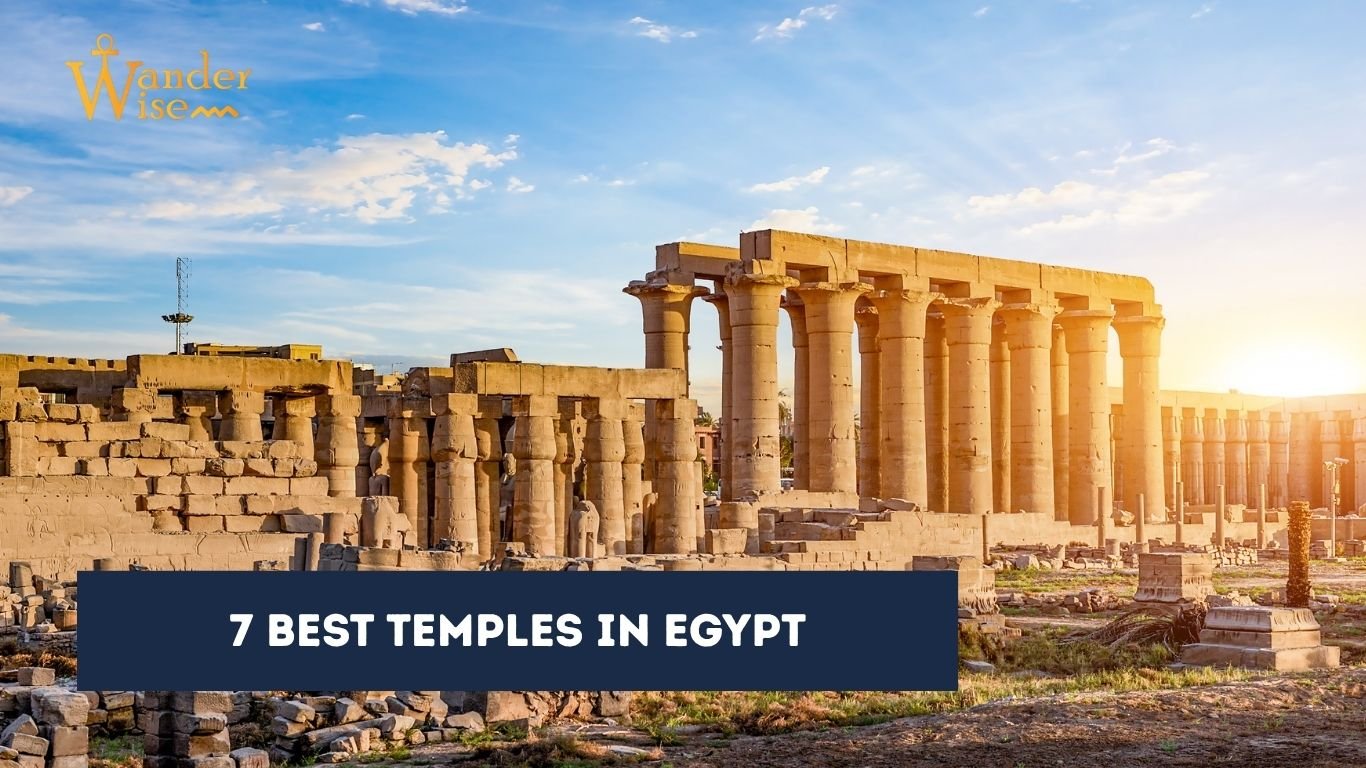
Few places on earth can rival the beauty, mystery, and scale of the ancient temples in Egypt. Scattered along the Nile from Cairo to Aswan, these monumental structures tell the story of a civilization that flourished thousands of years ago. Built to honor gods, pharaohs, and sacred rituals, Egypt’s temples remain some of the most impressive architectural achievements in human history. For travelers, visiting these sites is not just about seeing ruins—it’s about stepping into the living legacy of an empire that defined ancient art, religion, and power.
Most of the great temples in Egypt were constructed during the New Kingdom period, when the pharaohs of Luxor and Thebes ruled a vast and prosperous land. Today, they form a route that many visitors follow along the Nile—often by cruise—linking the spiritual heart of ancient Egypt with its southern frontier. From the immense columns of Karnak to the cliffside majesty of Hatshepsut’s temple and the sunlit grandeur of Abu Simbel, each temple offers something different: a story, a mystery, a glimpse of eternity carved in stone.
The beauty of these temples lies not only in their size but in their detail. The walls are covered in hieroglyphs that still tell stories of gods and kings, of triumphs and offerings, of life and the afterlife. Many of them have survived floods, sand, and time itself, standing as silent witnesses to Egypt’s greatness.
In this guide, we’ll explore the 7 best temples in Egypt you shouldn’t miss—each a masterpiece of ancient architecture and symbolism. Whether you’re walking through the Hypostyle Hall at Karnak, watching the light show at Philae, or gazing up at the colossal statues of Abu Simbel, these temples reveal why Egypt remains one of the world’s most awe-inspiring destinations.
If you’re ready to explore them in person, check out our Egypt Tours and Nile Cruises to see how you can visit these wonders with expert guides.
Karnak Temple – The Heart of Ancient Thebes (Luxor)
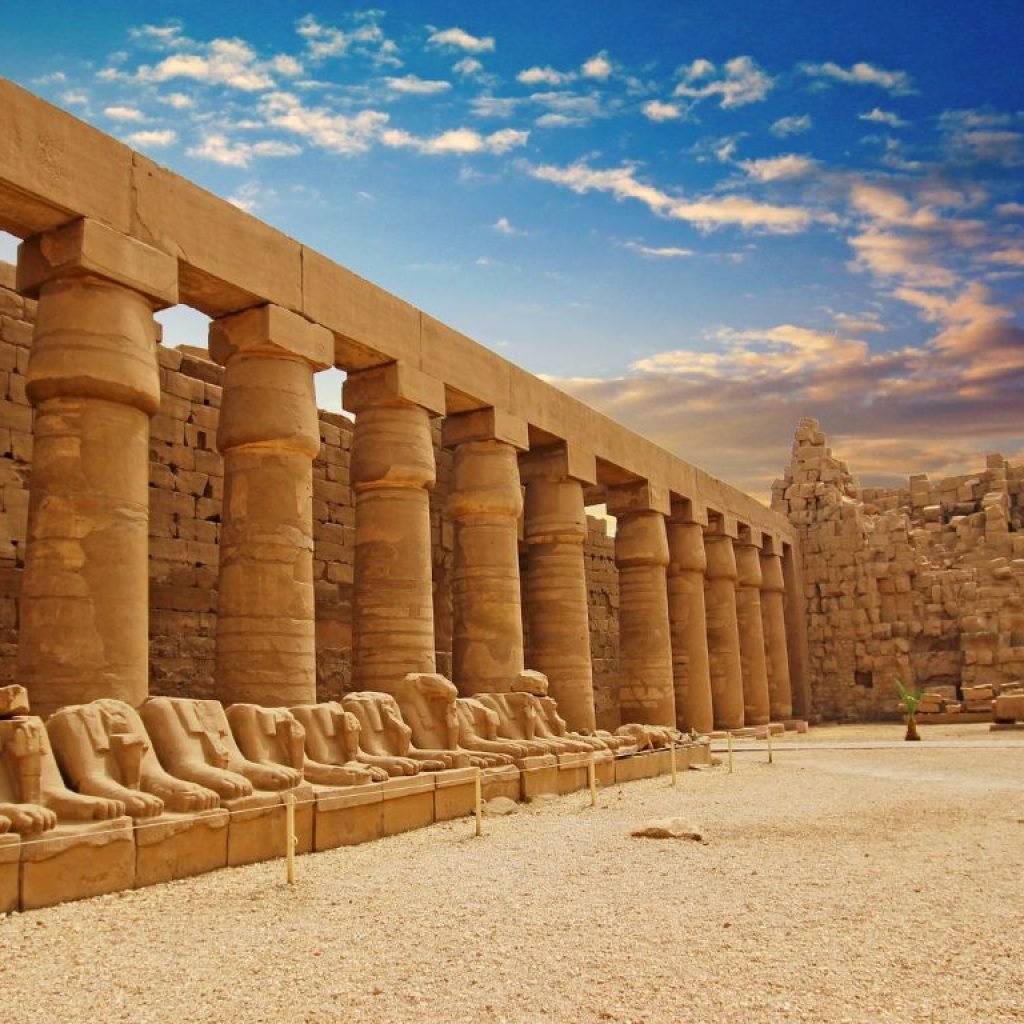
Among all the temples in Egypt, none captures the scale and ambition of ancient Egyptian architecture quite like the Karnak Temple Complex in Luxor. Dedicated primarily to the god Amun-Ra, along with Mut and Khonsu, Karnak was not built by a single pharaoh but expanded continuously for over 2,000 years. The result is a monumental complex of sanctuaries, pylons, chapels, and columns that together form the largest religious structure ever constructed in the ancient world.
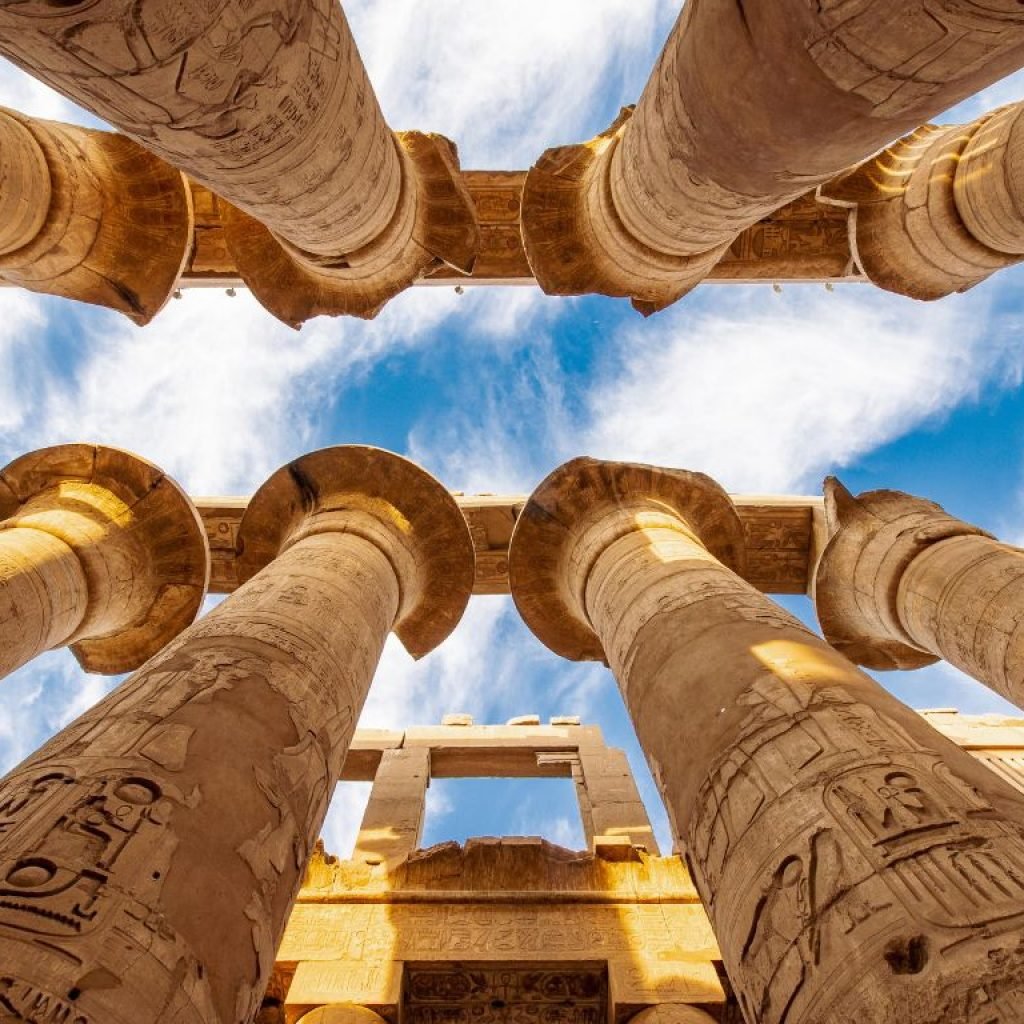
Walking through Karnak feels like entering the heart of Egypt’s history. The most famous section, the Great Hypostyle Hall, features 134 towering columns arranged in rows that seem to stretch endlessly toward the sky. Each column is carved with intricate hieroglyphs and reliefs that celebrate the achievements of pharaohs such as Seti I and Ramses II. The hall alone could leave any visitor speechless with its scale and detail—it’s easy to understand why Karnak has inspired travelers for centuries.
Beyond the Hypostyle Hall, the complex includes sacred lakes, obelisks, and smaller temples dedicated to different deities. The Precinct of Amun-Ra, the main section, was the spiritual center of Thebes and a focal point for major religious festivals like the Opet Festival, during which statues of gods were carried in elaborate processions from Karnak to Luxor Temple. These rituals reinforced the divine connection between the gods and the pharaohs, making Karnak both a political and spiritual powerhouse of ancient Egypt.
One of the most remarkable things about Karnak is its evolution. Each new ruler sought to leave their mark, adding new structures and decorations that reflected their reign. As a result, visiting Karnak offers a living timeline of Egyptian art and architecture, from the Middle Kingdom through to the Ptolemaic era.
Today, Karnak is part of the UNESCO-listed site of Ancient Thebes with its Necropolis and remains one of the highlights of any trip along the Nile. Most Nile cruise itineraries and Luxor day tours include guided visits to Karnak, often paired with Luxor Temple for a complete experience of ancient Thebes.
To explore this masterpiece yourself, visit our Luxor Tours, where you can walk through the columns of Karnak with expert Egyptologists who bring its stories to life.
Luxor Temple – Where Ancient Egypt Comes Alive at Night
Among the most remarkable temples in Egypt, the Luxor Temple stands out not only for its history but for its atmosphere. Located in the heart of modern Luxor, this temple was once the spiritual center of the city of Thebes, the capital of ancient Egypt during the New Kingdom. Dedicated to the Theban Triad—Amun, Mut, and Khonsu—the temple symbolized renewal, rebirth, and the divine connection between the gods and the pharaohs.
What makes the Luxor Temple unique among Egypt’s sacred sites is that it was designed for ceremonies rather than burials. Unlike many other temples in Egypt that honor gods or serve as mortuary temples, Luxor Temple was built for the Opet Festival, an annual celebration where statues of Amun and Mut were brought from Karnak to Luxor by boat. The event symbolized the unity of the gods and the king’s role in maintaining cosmic order.
The temple’s construction began under Amenhotep III around 1400 BC and was later expanded by Ramses II, who added the grand entrance pylon flanked by colossal statues of himself. The Avenue of Sphinxes, once stretching over two miles to Karnak Temple, connected the two sanctuaries and formed the route of the sacred procession. Walking this path today gives travelers a sense of continuity with the ancient rituals that took place thousands of years ago.
One of the best times to visit Luxor Temple is after sunset. Floodlights illuminate the massive columns, statues, and courtyards, casting dramatic shadows that bring the ancient carvings to life. The warm glow of the temple at night, combined with the backdrop of the modern city, creates an almost surreal scene—where past and present coexist in perfect harmony.
The temple also holds layers of history beyond its pharaonic origins. During the Roman period, a chapel was converted into a Christian church, and later, a mosque was built within the complex, which still stands today. This blending of cultures and religions makes Luxor Temple not just an ancient site, but a living monument to Egypt’s evolving history.
For travelers following the trail of the temples in Egypt, Luxor Temple is an essential stop—especially at night, when its atmosphere transforms from archaeological wonder to something almost spiritual.
Temple of Hatshepsut – The Queen’s Monument at Deir el-Bahari
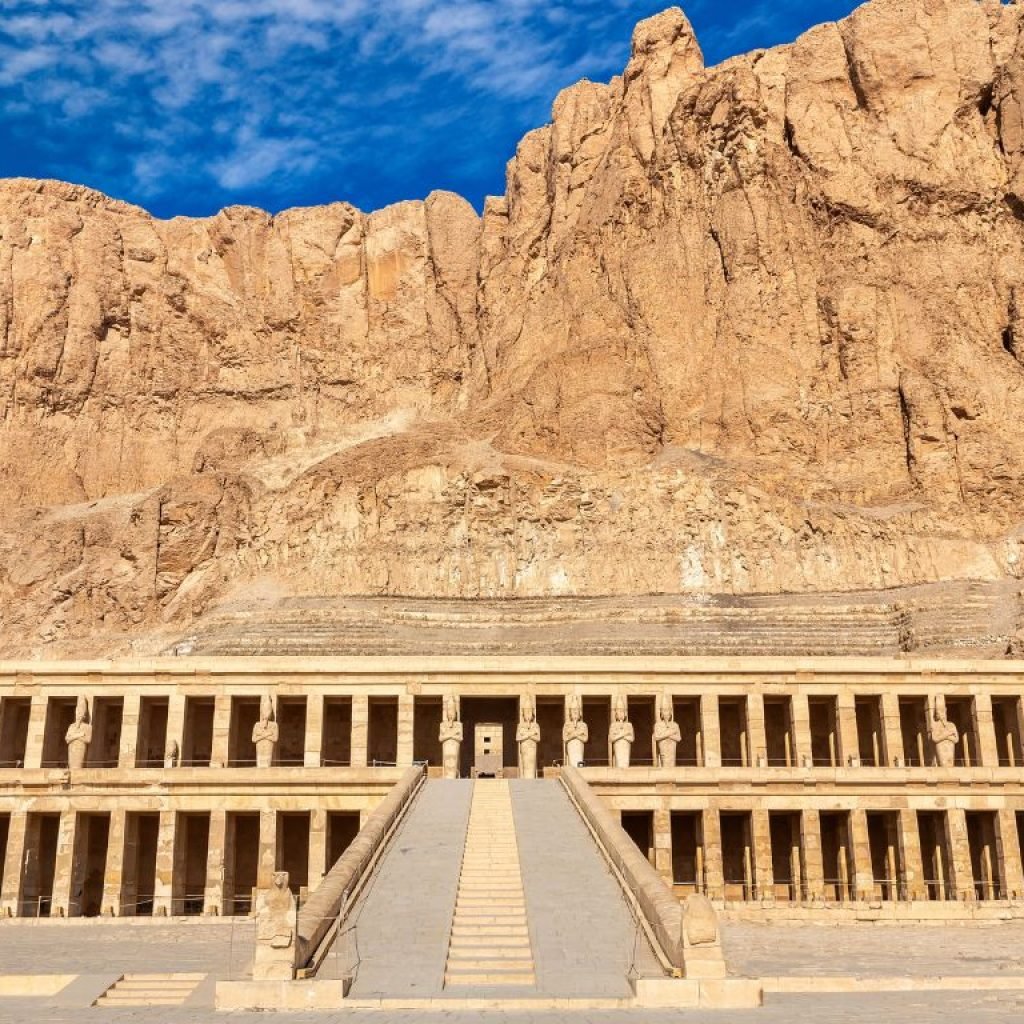
When discussing the most extraordinary temples in Egypt, few can rival the elegance and symbolism of the Temple of Hatshepsut. Nestled beneath towering limestone cliffs on Luxor’s West Bank, this masterpiece of ancient architecture stands as a powerful testament to the legacy of Egypt’s most famous female pharaoh. Known formally as Djeser-Djeseru, meaning “The Holy of Holies,” the temple remains one of the most striking and best-preserved monuments of the New Kingdom.
Built during the reign of Pharaoh Hatshepsut in the 15th century BC, this temple was designed by her chief architect, Senenmut. Its unique terraced design, featuring three levels connected by wide ramps, sets it apart from all other temples in Egypt. Each terrace was once adorned with lush gardens, vibrant statues, and colorful reliefs depicting the queen’s divine birth and her successful trade expedition to the Land of Punt. These scenes highlight Hatshepsut’s ambition to establish herself as both a powerful ruler and a chosen representative of the gods.
The temple’s setting is as dramatic as its design. Built directly into the cliffs of Deir el-Bahari, it seems to rise organically from the surrounding rock. This perfect harmony between human craftsmanship and natural landscape reflects the ancient Egyptians’ belief in the connection between the physical and spiritual worlds. The symmetry and precision of the temple’s architecture remain awe-inspiring, even after more than 3,000 years.
One of the most fascinating aspects of Hatshepsut’s story is her defiance of tradition. As a woman ruling Egypt as pharaoh, she adopted male regalia and titles to reinforce her authority. Her temple celebrates this balance of masculine power and feminine grace, making it both a political statement and a spiritual masterpiece.
Visitors today can walk along the temple’s terraces, admire the restored columns and reliefs, and enjoy panoramic views of the Valley of the Kings across the river. The combination of architectural brilliance, historical depth, and breathtaking scenery makes Hatshepsut’s temple one of the must-see temples in Egypt.
To explore this architectural wonder in person, check out our Luxor Tours, which include guided visits to the Temple of Hatshepsut and the nearby tombs of the pharaohs.
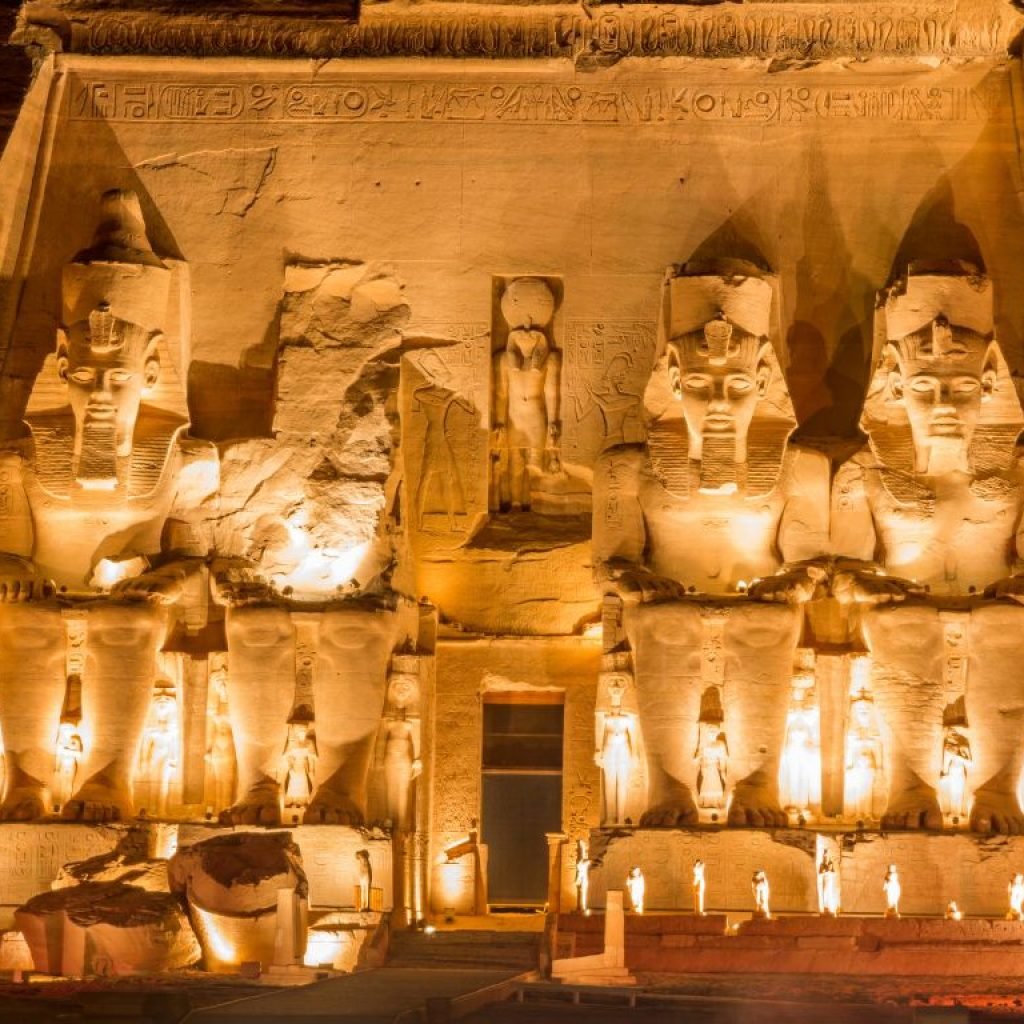
Abu Simbel – The Masterpiece of Ramses II
No list of the greatest temples in Egypt would be complete without Abu Simbel. Located in southern Egypt near the border with Sudan, this awe-inspiring monument is not only one of the most famous ancient sites in the world but also one of the most ambitious architectural feats ever accomplished. Built by Pharaoh Ramses II in the 13th century BC, Abu Simbel was designed to demonstrate the power of Egypt’s empire and to honor both the gods and the king himself.
The complex consists of two massive rock-cut temples: the Great Temple of Ramses II and the Small Temple of Queen Nefertari, his beloved wife. The façade of the Great Temple is one of the most iconic sights in Egypt, featuring four colossal statues of Ramses II, each over 20 meters tall, seated in eternal watch over the Nile. Standing at their feet makes you feel dwarfed by history—an experience that no photograph can capture.
Inside, the temple is no less impressive. The main hall, supported by giant statues of the king as Osiris, leads to a sanctuary where statues of Ramses II and three gods—Amun-Ra, Ra-Horakhty, and Ptah—sit carved into the rock. Twice a year, on February 22 and October 22, the rising sun illuminates the inner sanctuary, lighting up the statues of the gods while leaving Ptah, the god of darkness, in shadow. This solar alignment is a breathtaking testament to the astronomical precision of ancient Egyptian engineers.
Equally fascinating is the Small Temple of Nefertari, located nearby. Dedicated to the goddess Hathor and the queen herself, it is one of the few temples in Egypt where a royal woman is depicted with the same prominence as the pharaoh. The reliefs inside show Nefertari participating in ceremonies alongside Ramses II, a rare honor in Egyptian art.
Abu Simbel also has a modern story of triumph. In the 1960s, when the construction of the Aswan High Dam threatened to submerge the site, UNESCO led an international effort to relocate both temples. They were carefully cut into pieces and reassembled on higher ground—a remarkable rescue that saved one of the world’s greatest cultural treasures.
Visiting Abu Simbel today is an unforgettable experience. The long journey south from Aswan is rewarded by the sight of these monumental statues rising from the desert. For many travelers, it is the highlight of their trip through the temples in Egypt, a perfect blend of ancient grandeur and modern preservation.
To visit Abu Simbel with expert guides, explore our Aswan Tours, which include private and group excursions to this legendary site.
Philae Temple – The Island Sanctuary of the Goddess Isis
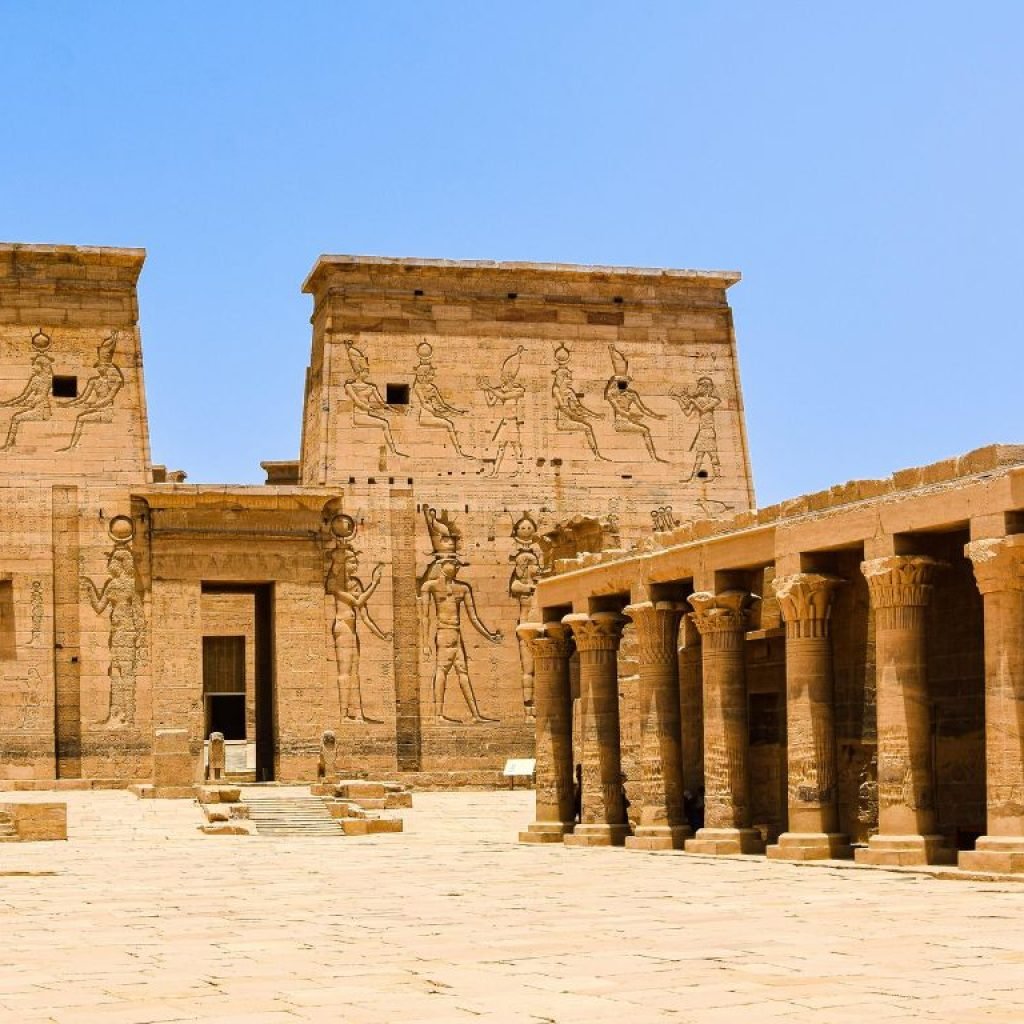
Among all the temples in Egypt, the Philae Temple stands out as one of the most beautiful and atmospheric. Dedicated to the goddess Isis, this temple complex sits gracefully on an island in the Nile near Aswan. With its elegant columns, tranquil setting, and captivating history, Philae offers visitors a serene yet powerful experience that blends mythology, architecture, and nature in perfect harmony.
The story of Philae is deeply connected to Egypt’s religious history. Built during the Ptolemaic period around 280 BC, it became one of the last places where the ancient Egyptian religion was practiced. Even after Christianity spread through Egypt, the temple continued to serve as a pilgrimage site for followers of Isis, making it one of the most spiritually significant temples in Egypt.
The temple’s main entrance is marked by two large pylons decorated with intricate reliefs depicting the goddess Isis, her husband Osiris, and their son Horus. Inside, visitors can explore a series of courtyards and chambers filled with carvings and inscriptions that tell stories of devotion, rebirth, and divine power. The artistry here reflects the peak of Egyptian temple design, where every surface carried symbolic meaning.
Philae’s unique location also plays a key role in its appeal. After the construction of the Aswan High Dam in the 1960s, the original site of the temple was at risk of being permanently submerged by the waters of Lake Nasser. In an incredible feat of modern engineering, UNESCO led a massive project to relocate the temple complex stone by stone to nearby Agilkia Island, preserving it for future generations. Today, the temple’s reflection on the calm waters of the Nile creates a scene that feels almost timeless.
One of the best times to visit Philae Temple is at night, when it hosts a sound and light show that tells the myths of Isis and Osiris through dramatic lighting and narration. This evening experience brings the carvings to life, allowing travelers to feel the sacred energy that once filled this sanctuary.
Philae is not only a masterpiece of design but also a symbol of survival—both of the goddess Isis and of Egypt’s enduring cultural heritage. For travelers following the trail of the temples in Egypt, this island sanctuary is a must-see destination that captures the soul of ancient Egypt.
Edfu Temple – The Best-Preserved Temple in Egypt
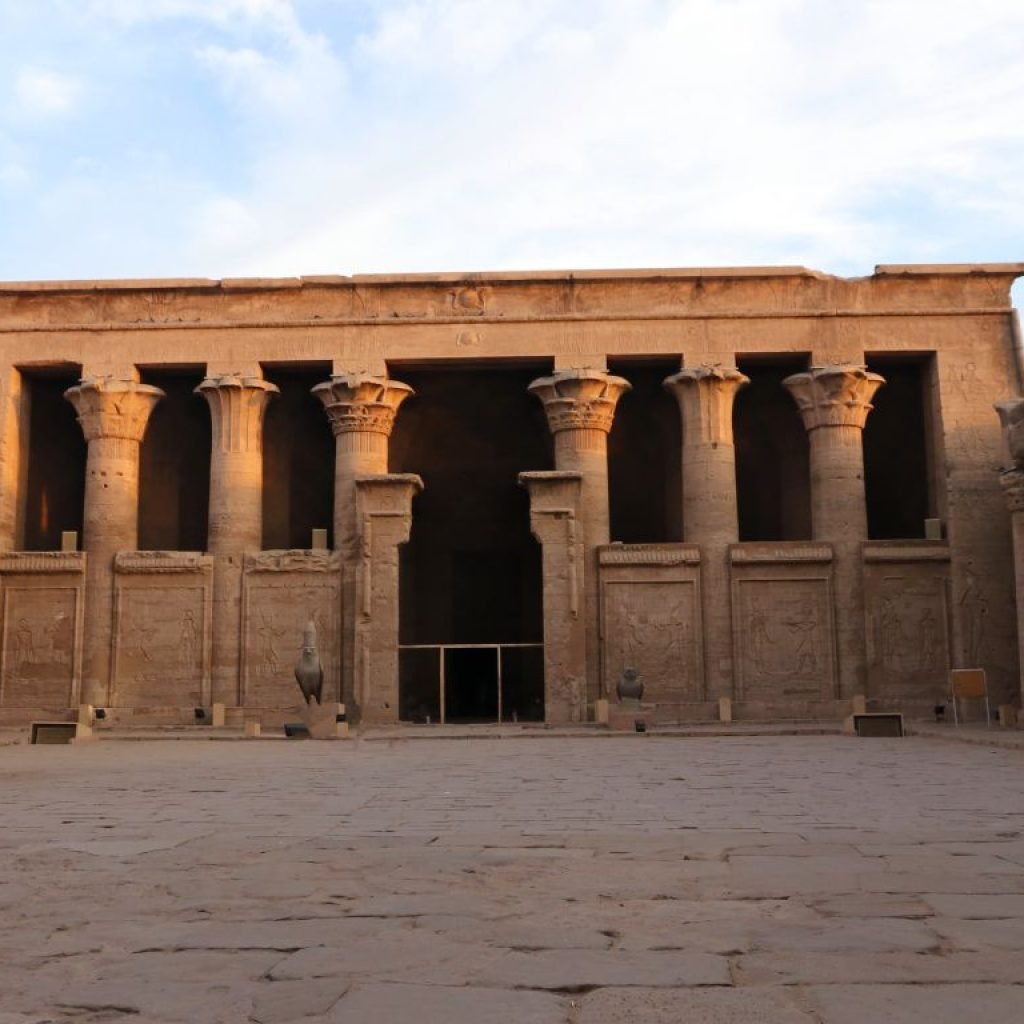
When travelers explore the many temples in Egypt, one site consistently surprises them with its completeness and scale — the Temple of Horus at Edfu. Located between Luxor and Aswan on the west bank of the Nile, this temple is often described as the best-preserved ancient temple in Egypt. Built during the Ptolemaic period between 237 and 57 BC, Edfu provides a rare opportunity to see what a fully functioning temple would have looked like in antiquity.
The temple was dedicated to Horus, the falcon-headed god of the sky and protector of kings. According to ancient mythology, Horus defeated the god Seth in a great battle to avenge his father Osiris. This story of triumph and divine justice is depicted in stunning detail on the walls of Edfu Temple. The inscriptions not only tell the myth but also record the rituals, offerings, and festivals that took place here. For historians and visitors alike, it offers one of the most complete sources of information about ancient Egyptian religion and daily temple life.
The entrance to Edfu Temple is marked by two massive pylons covered with carvings of Horus striking down his enemies — a powerful image of protection and divine authority. Passing through the gateway, visitors enter open courtyards, pillared halls, and inner sanctuaries that retain their original form. The Holy of Holies, the most sacred chamber, still contains the granite shrine where the statue of Horus would have been placed.
One of the most striking aspects of Edfu is how well it has survived the passage of time. Protected by layers of desert sand for centuries, its hieroglyphs, reliefs, and ceilings remain remarkably intact. Unlike many other temples in Egypt, Edfu gives travelers the chance to see walls and corridors almost exactly as ancient priests would have seen them over 2,000 years ago.
Most Nile cruises stop at Edfu between Luxor and Aswan, making it an easy and essential addition to any temple itinerary. Visiting with a knowledgeable guide helps bring the stories to life, revealing the symbolism behind the carvings and the temple’s role in ancient rituals.
Kom Ombo – The Double Temple of Crocodiles and Falcons
Among the many fascinating temples in Egypt, few are as unique or mysterious as the Temple of Kom Ombo. Located along the Nile between Edfu and Aswan, Kom Ombo stands out because it was dedicated to two gods instead of one — Sobek, the crocodile god associated with fertility and the Nile’s waters, and Horus the Elder, the falcon god representing protection and the sky. This rare dual dedication makes Kom Ombo unlike any other temple in Egypt, both architecturally and symbolically.
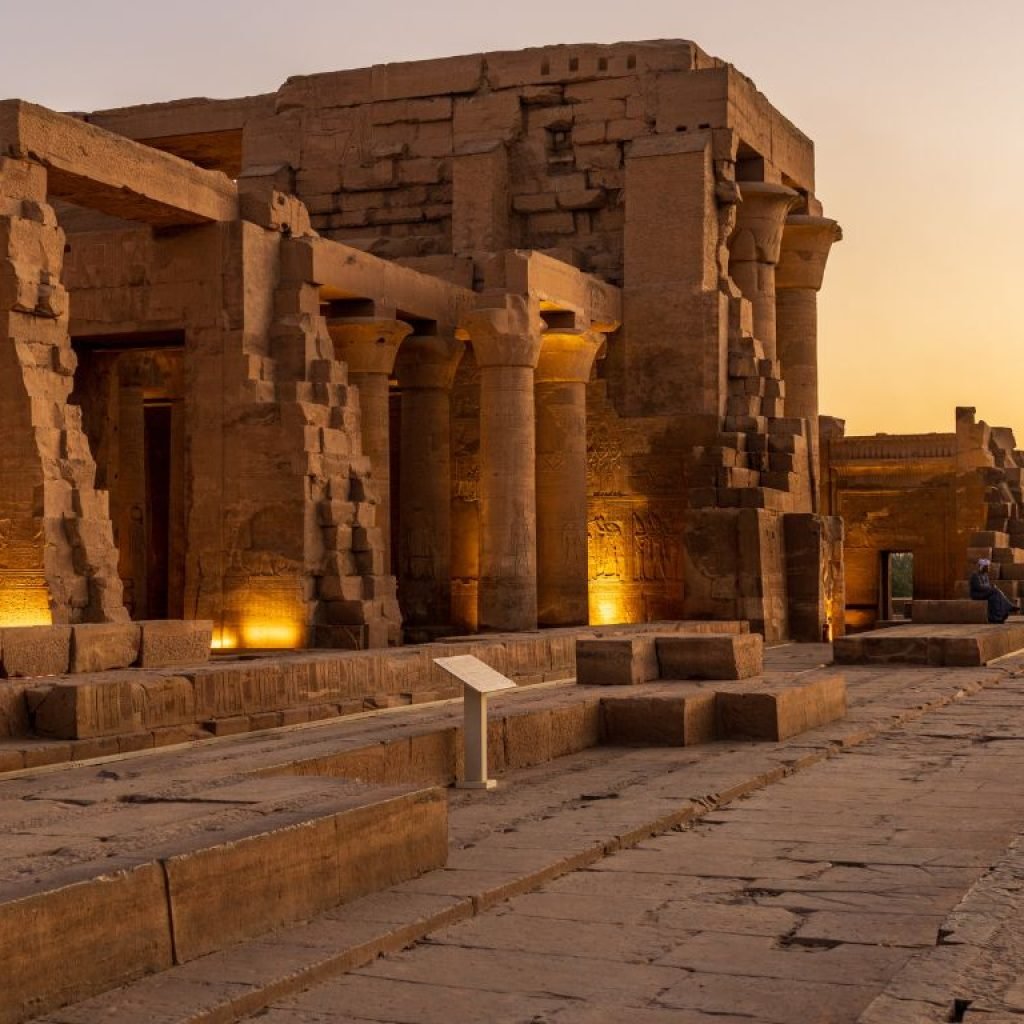
Built during the Ptolemaic period between 180 and 47 BC, Kom Ombo’s design reflects perfect symmetry. The entire structure is divided into two identical halves — one for Sobek and one for Horus. Each side has its own halls, sanctuaries, and altars, mirroring the other in balance and harmony. This duality represented the coexistence of opposing forces — creation and destruction, chaos and order — a central theme in Egyptian mythology.
The temple walls are covered with beautifully preserved reliefs that illustrate medical instruments, surgical tools, and scenes of rituals and offerings. These carvings have given historians valuable insight into the advanced medical knowledge of ancient Egypt. The outer courtyards are equally impressive, with massive columns and hieroglyphs that glow in the warm afternoon light.
Just beside the temple lies the Crocodile Museum, which displays mummified crocodiles discovered nearby, as well as statues and artifacts related to the cult of Sobek. It’s a fascinating reminder of how the Nile’s wildlife was deeply intertwined with Egyptian religion and mythology.
What makes Kom Ombo especially captivating is its riverside setting. Many travelers arrive here by Nile cruise, watching as the temple comes into view on a bend in the river — its sandstone walls glowing gold under the sun. Visiting at sunset is particularly magical, as the light enhances the temple’s carvings and the tranquil sound of the Nile adds to the experience.
Kom Ombo may not be the largest among the temples in Egypt, but it is certainly one of the most distinctive. Its perfect symmetry, rich symbolism, and riverside location make it a must-see stop for anyone exploring the Nile Valley.
The ancient temples in Egypt are more than just monuments — they are the living legacy of a civilization that shaped history, art, and spirituality for over three millennia. From the towering columns of Karnak to the tranquil island sanctuary of Philae, each temple tells a story that still resonates today. Whether dedicated to gods, queens, or kings, these structures reveal the values, beliefs, and extraordinary craftsmanship that defined one of the world’s greatest empires.
What makes visiting these temples so special is how each one offers a different experience. The vast grandeur of Karnak showcases the power of the pharaohs, while the elegance of the Temple of Hatshepsut reflects the brilliance of Egypt’s first great queen. Abu Simbel inspires awe with its colossal statues carved into a mountainside, and Edfu reveals the rituals of worship that shaped daily life. Kom Ombo’s symmetry and Philae’s serenity, meanwhile, remind travelers of the balance between nature, gods, and humanity — a theme that runs through all temples in Egypt.
Visiting these sites is not just about seeing ancient architecture; it’s about feeling the connection between the past and present. As you walk through halls once filled with priests and pharaohs, you can almost hear the echoes of ancient rituals. Watching the sunset over the Nile, with the outlines of temples glowing in golden light, creates moments that stay with you long after you leave.
With so many temples scattered across the country, the best way to experience them is with expert guidance. Wander Wise Tours offers curated itineraries that combine comfort, history, and adventure — from full-day temple tours in Luxor and Aswan to multi-day Nile cruises that follow the river’s ancient path. Each tour is designed to help travelers understand the stories behind the stones while experiencing Egypt’s legendary hospitality.
If you’re ready to explore the most remarkable temples in Egypt, plan your journey with us. Discover our Egypt Tours, Nile Cruise Packages, and Luxor Tours to see how you can walk in the footsteps of history with Wander Wise.
Frequently Asked Questions about Temples in Egypt
1. What are the most famous temples in Egypt?
The most famous temples in Egypt include Karnak and Luxor Temples in Luxor, Abu Simbel near Aswan, Philae Temple on Agilkia Island, the Temple of Hatshepsut at Deir el-Bahari, and the twin temples of Edfu and Kom Ombo along the Nile. Each site represents a different era of Egyptian history and showcases distinct architectural styles and religious symbolism.
2. Which is the largest temple in Egypt?
The Karnak Temple Complex in Luxor is the largest temple in Egypt — and one of the largest religious structures ever built. Covering more than 100 hectares, it includes sanctuaries, halls, obelisks, and the famous Hypostyle Hall with 134 massive columns. Its immense scale and detail make it one of the world’s most impressive ancient monuments.
3. What is the oldest temple in Egypt?
The Temple of Seti I at Abydos and the Temple of Djoser’s Step Pyramid Complex at Saqqara are among the oldest surviving temples in Egypt, dating back to the Old Kingdom. However, most of the temples visited today, such as those in Luxor and Aswan, were built during the New Kingdom (1550–1070 BC) and later expanded in the Ptolemaic period.
4. How can I visit the temples in Egypt?
The easiest and most enjoyable way to explore the temples in Egypt is by joining a guided tour or Nile cruise. Most cruises travel between Luxor and Aswan, stopping at major sites like Edfu, Kom Ombo, and Philae. Travelers can also book day tours from Cairo, Luxor, or Aswan, depending on their itinerary. Joining a guided experience ensures you gain historical insight and convenient transport between sites.
5. Do I need a guide to visit temples in Egypt?
While it is possible to visit independently, having a licensed Egyptologist guide makes a huge difference. Guides provide context, explain the meanings behind the carvings and symbols, and share stories about the gods and pharaohs associated with each site. Most visitors find that guided tours make the experience of seeing temples in Egypt far more enriching and memorable.
6. What should I wear when visiting temples in Egypt?
When visiting temples, modest clothing is recommended. Lightweight, breathable fabrics that cover shoulders and knees are ideal, especially in warmer months. Comfortable walking shoes, a hat, and sunscreen are also essential since many temples are in open desert areas with little shade.

It was a very nice day and trip i really good one I hope to do it again 🥰😍🥰