 English
 Deutsch
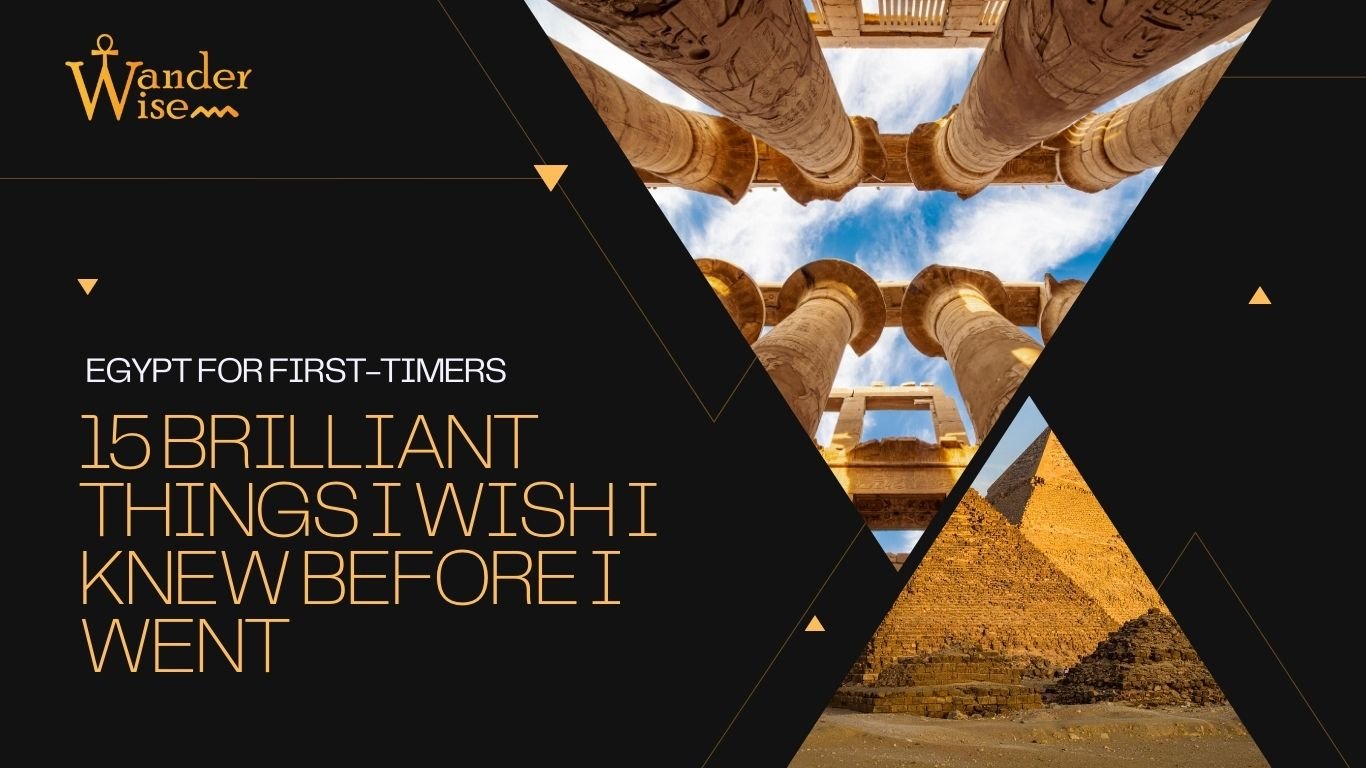
If you’re new to Egypt, the weirdest part isn’t the pyramids or the temples. It’s the little everyday moments that make you think, “Am I doing this right?”
This post is for Egypt for first-timers who want a simple, friendly heads-up before they land. Nothing preachy. No big lectures. Just the stuff that makes your trip feel smoother from day one.
Here’s how to use it:
-
If you’re the planner in your group, read the whole thing and steal the checklists.
-
If you get travel anxiety, skim the headings first. You’ll quickly see what matters most.
-
If you’re coming mainly for a beach stay (like Hurghada) but want day trips, this is still for you. Egypt changes a lot between resort life and big historic cities.
The biggest “wish I knew” idea
Egypt feels easier when you remember this:
Most awkward moments are not danger. They’re just culture + crowds + heat.
A seller trying to chat is usually not a threat. A busy market is usually not chaos, it’s just busy. A strict-looking security point is usually normal. If you keep your tone calm and your plans simple, the whole country feels friendlier.
What first-timers usually overthink (and you don’t need to)
“Do I need to speak Arabic?”
No. English is common in tourist areas. A smile and “thank you” works fine.
“Do I need to dress super conservatively?”
No. Dress for the place you’re in. Resorts are relaxed. Town streets and temples are more covered.
“Is everyone trying to scam me?”
No. Some people are pushy, but most are just working. You can say no politely and move on.
“Will I get lost?”
Not if you save pins on your phone and confirm pickup points. Small habits beat stress.
What this guide will help you do
By the end, you’ll know how to:
-
carry cash without feeling confused
-
deal with sellers without getting dragged into long chats
-
plan temples and city days without burning out
-
avoid surprise costs on tours
-
feel confident about dress, photos, and personal space
Money stuff (cash, small notes, and why you’ll tip more than you think)
One of the biggest “first-timer shocks” in Egypt is how often money comes up in tiny moments. Not in a scary way. Just in a “oh, I didn’t realise I’d need small cash for this” way.
If you sort this out early, your whole trip feels smoother.
1) Cash is still king in lots of places
Even if your hotel takes cards, many everyday bits run on cash:
-
small shops and kiosks
-
toilet attendants
-
small cafés
-
quick tips for helpers
-
some market purchases
You don’t need to carry loads. You just need to have cash in the right sizes.
2) Small notes save you from awkward moments
This is the real secret.
If you only have big notes, you’ll get stuck:
-
“Sorry, no change”
-
waiting around
-
feeling pressured to overpay
What works better:
-
keep a stash of small notes separate from your main cash
-
top it up when you can (hotel, exchange, ATM, or when you get change from a bigger purchase)
Think of it like this: you’re not carrying “more money”. You’re carrying better change.
3) Tipping happens more often than you expect
In Egypt, tipping is normal for service. It doesn’t mean people are greedy. It’s just part of how many service jobs work.
You might tip:
-
someone who carries bags
-
a driver/guide on a tour
-
a boat crew member who helps you
-
toilet attendants
-
someone who gives real help quickly (finding something, sorting a problem)
The easiest way to keep it stress-free:
-
decide in your head that you will tip for helpful service
-
keep it small and simple
-
don’t turn it into a big discussion
4) “Do I have to tip everyone?”
No. You don’t need to tip someone just for speaking to you or trying to sell you something.
A simple rule:
-
Service/help = tip (if it genuinely helped)
-
sales talk = no tip
5) Tour costs: what people forget to budget for
First-timers often budget for the tour price and forget the extras that can pop up:
-
entrance tickets (sometimes included, sometimes not)
-
drinks
-
toilet stops
-
small tips
-
optional add-ons
Before any day trip, ask two quick questions:
-
“What’s included?”
-
“What’s not included?”
It saves the annoying surprise moment later.
“No, thanks” skills (sellers, bargaining, and ending chats politely)
This is the bit that makes some first-timers tense: the friendly chats that suddenly turn into “come look” or “special price”. The good news is you don’t need to be sharp or rude. You just need a simple routine.
Here are the 5 things I wish I knew earlier.
1) Friendly doesn’t always mean “free”
In Egypt, people can be genuinely friendly and still be working. That’s normal. The mistake first-timers make is thinking every chat must be a full conversation.
You’re allowed to:
-
smile
-
say “no, thanks”
-
keep walking
That’s not rude. That’s normal travel behaviour.
2) The best “no” is short and calm
The longer you explain, the longer the moment lasts.
Use one of these and move on:
-
“No, thank you.”
-
“Not today, thanks.”
-
“Maybe later.” (only if you actually might come back)
Then keep walking. Movement ends the chat.
3) If you stop, you’ve basically started a negotiation
This sounds harsh, but it’s useful. If you stop and stand still, it often signals:
-
you’re interested
-
you want to talk price
-
you might buy
So if you’re not buying, don’t stop. Keep walking and smile.
4) Bargaining is normal, but you don’t have to love it
In markets and small souvenir shops, the first price can be high. That doesn’t mean you’re being attacked. It’s just how bargaining works.
A calm bargaining routine:
-
Ask the price.
-
Smile.
-
If it’s too high, offer less.
-
If it still feels wrong, say “no thanks” and walk away.
Walking away is the easiest way to avoid pressure. If they can lower the price, they often will. If not, you’ve saved time and mood.
5) Don’t accept “free gifts” you didn’t ask for
Sometimes someone hands you something and says it’s a gift. Then it turns into “money please”. The easiest rule:
-
If you didn’t ask for it, don’t take it.
If it’s already in your hand:
-
hand it back calmly
-
say “no thank you”
-
walk on
No drama, no arguing.
Quick confidence check (what to remember)
If you remember only this, you’ll be fine:
-
short “no”
-
keep moving
-
don’t explain
-
don’t take things you didn’t ask for
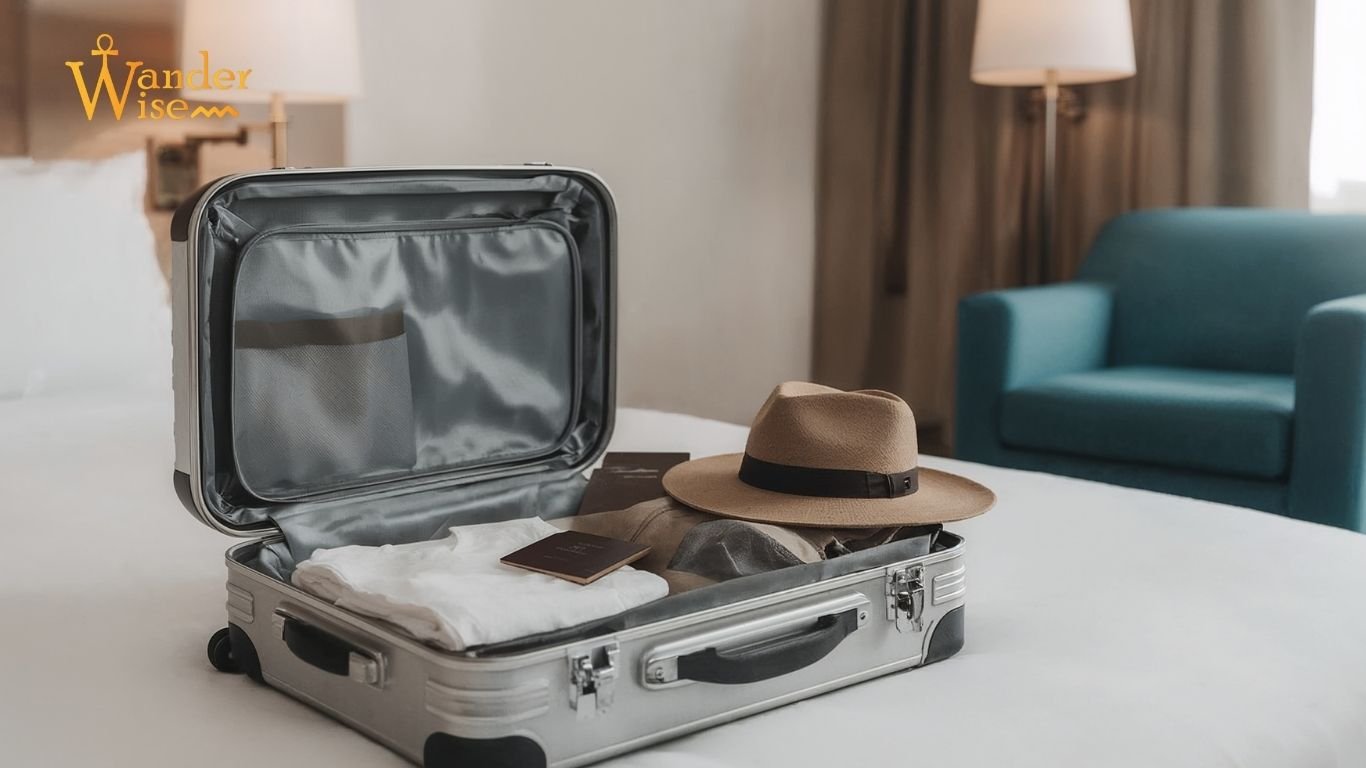
What to wear where (so you feel comfortable, not stared at)
This is one of the biggest “first-timer” worries, and it really doesn’t need to be complicated. Egypt is not one single dress code. A beach resort day in Hurghada is totally different from walking through a busy street in Luxor.
The easiest rule is:
Dress for the place you’re in right now.
1) Hurghada resorts (pool, beach, hotel area)
This is the most relaxed setting.
What’s fine:
-
swimwear at the pool and beach
-
shorts, vests, summer dresses around the resort
-
flip-flops and beach looks
What helps you feel less awkward:
-
a quick cover-up for walking to breakfast or through the lobby
It’s not about being strict. It just looks more “normal” away from the pool.
2) Hurghada town, marina, normal streets
This is where visitors sometimes notice more looks, especially if they’re dressed like they’re still at the pool.
A safe outfit that blends in better:
-
t-shirt or loose top
-
shorts closer to the knee, or a longer skirt/dress
-
comfy sandals or trainers
If you want less attention:
-
go looser, not tighter
-
avoid super short outfits in busy street areas
-
keep it practical
You’re not hiding. You’re just matching the setting.
3) Luxor, Cairo, Aswan (city + culture days)
On city and temple days, you’ll be walking more and mixing with more locals. You’ll feel more comfortable if you’re a bit more covered.
Best choices:
-
light, breathable clothes
-
shoulders covered (easy win)
-
knee-length shorts or light trousers
-
comfy shoes for uneven ground
This matters even more on long day trips, like Hurghada to Luxor, because you’re moving between sites, crowds, and heat. Planning page here
4) Temples and museums
Think of these as “respect spaces”. You don’t need to look formal. Just avoid anything that looks like beachwear.
Good temple-friendly choices:
-
covered shoulders
-
not-too-short shorts/skirts
-
no see-through tops
-
a light scarf or thin overshirt in your bag
5) Desert safaris and outdoor trips
This is about sun and sand more than culture.
What works:
-
loose trousers or longer shorts
-
closed shoes (sand gets everywhere)
-
sunglasses and a hat
-
a light layer for later (it can cool down)
Quick packing list (easy wins)
If you pack these, you’re sorted for most of Egypt:
-
one light scarf or thin overshirt
-
two tops that cover shoulders
-
one pair of light trousers or longer shorts
-
comfy walking shoes
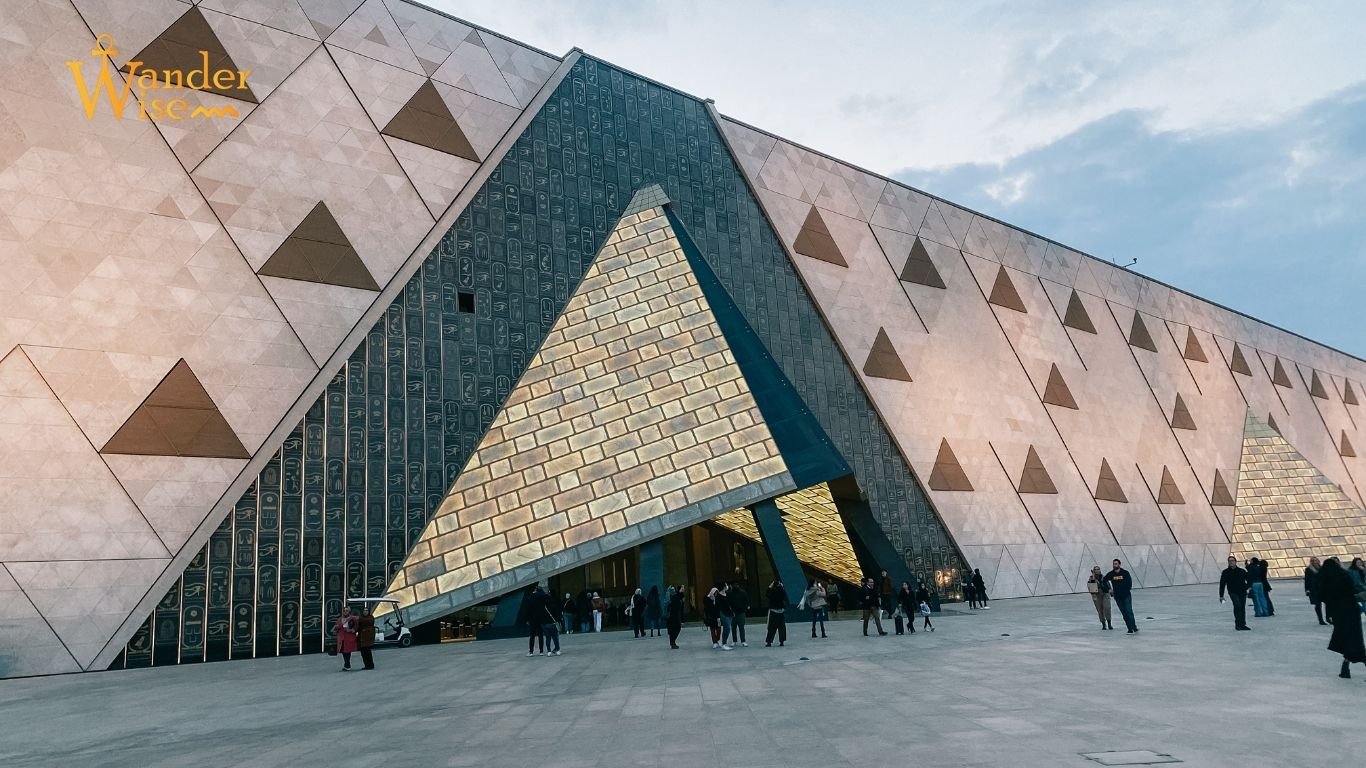
Heat, timing, and pacing (so you don’t crash halfway through the day)
This is the one that surprises first-timers the most: Egypt isn’t hard because of the sightseeing. It’s hard because of the heat + walking + timing. If you plan your day like you’re in a cool European city, you’ll feel wiped out by lunchtime.
Here’s what I wish I knew before I went.
1) Mornings are your superpower
If you do your “big walking thing” early, everything feels easier:
-
cooler air
-
fewer crowds
-
better mood
-
better photos
This matters a lot for places like Luxor temples and the Valley of the Kings. If you start late, the heat plus queues can make you hate a place you would’ve loved.
2) A slow midday is not “wasting time”
In Egypt, midday is often the toughest part of the day. Heat peaks, your energy drops, and you start making snappy decisions.
So plan a proper midday break:
-
sit down
-
drink something
-
eat something simple
-
give your feet a break
Even 30–45 minutes can reset your whole day.
3) Don’t schedule too many “major” stops in one day
A major stop is anything that needs walking, focus, and heat tolerance (temples, tombs, big markets).
For first-timers, a good day usually looks like:
-
one major stop in the morning
-
a break
-
one major stop later
-
anything else is “bonus”
This is especially true on long day trips from Hurghada. If you try to pack in everything, the day turns into a rush.
4) Tombs feel different to temples
Temples can be open and breezy. Tombs can feel warmer inside, and queues make it worse. If you’re doing tombs (like the Valley of the Kings), plan them earlier if you can, and don’t try to do too many in a row.
5) Hydration is not optional
This sounds obvious, but it’s the easiest thing to mess up because you don’t always feel sweaty in dry heat.
Easy habit:
-
drink a bit every 20–30 minutes on walking days
-
don’t wait until you’re thirsty
6) The secret weapon is a “buffer” plan
First-timers often plan a perfect schedule with no flex. Then traffic, queues, or a slow lunch breaks the whole thing.
Instead, build your day like this:
-
2 “must-do” things
-
1 “nice-to-do” thing
-
and permission to skip the last one if you’re tired
That mindset makes Egypt feel calm instead of stressful.
Toilets, tissues, and tiny essentials (the small stuff that saves your mood)
This section sounds boring until you get caught out once, in the heat, far from your hotel, with no change and no tissues. Then it becomes the most useful part of your whole “Egypt for first-timers” plan.
Here are the small things I wish I’d packed and the simple habits that stop your day going sideways.
1) Always carry tissues
Not every public toilet has toilet paper. Even when it does, it can run out fast.
What to do:
-
keep a small pack of tissues in your day bag
-
top it up each morning before you leave
This one habit saves so many annoying moments.
2) Hand sanitiser is your best friend
You’ll touch:
-
money
-
door handles
-
market items
-
tour vehicles
You don’t need to be obsessive. Just practical. A small sanitiser bottle makes snack stops and toilet breaks feel cleaner.
3) Keep small coins/notes for toilets
Some toilets have an attendant, or a small payment system. Even if it’s not “official”, a small amount keeps things smooth.
The trick:
-
keep “toilet money” separate (tiny notes/coins)
-
don’t pull out your full wallet in a busy spot
4) Public toilets can be basic (and that’s normal)
First-timers sometimes panic because the toilet feels different than home. Try not to judge the whole day by one rough toilet stop.
Simple mindset:
-
basic toilet = normal travel moment
-
wash hands when you can
-
sanitiser when you can’t
5) Bring a tiny “day kit”
You don’t need a giant backpack. You need a small kit that protects your mood.
A perfect light day kit:
-
tissues
-
hand sanitiser
-
sunscreen
-
lip balm (dry heat and wind)
-
a small bottle of water
-
painkillers (headache + heat happens)
-
plasters (new shoes + walking)
-
a light scarf/overshirt (sun + temples)
6) Plan toilet breaks like a normal adult
This sounds silly, but long day trips are where people get uncomfortable.
Good moments for a toilet break:
-
before you leave the hotel
-
at the first major stop
-
after lunch
-
before the long drive back
If you wait until it’s urgent, you’ll feel stressed.
7) On day trips, don’t underestimate the drive time
The longer you’re in a vehicle, the more you’ll appreciate:
-
water
-
tissues
-
small cash
-
a snack
This is one reason day trips feel harder than they look on a map.

Getting around (taxis, pickup points, and avoiding mix-ups)
Getting around in Egypt is usually simple, but first-timers get stressed because of small mix-ups: the wrong hotel entrance, the wrong pin on Google Maps, or saying a place name that sounds like another place name.
Here’s what I wish I knew before day one.
1) Pins beat place names
In tourist areas, many places have similar names, and pronunciation can vary.
Do this instead of only speaking:
-
open Google Maps
-
drop a pin on your hotel entrance or meeting point
-
show the screen to the driver
This works in Hurghada, Luxor, Cairo, everywhere.
2) Save your “must-need” locations on your phone
Before you leave the hotel, save:
-
your hotel
-
the tour pickup point
-
the marina (if you’re doing boat trips)
-
the restaurant you’re going to tonight (if it matters)
When you’re tired, saved locations stop silly mistakes.
3) Confirm pickup points like a grown-up (even if it feels obvious)
For tours and day trips, confusion often comes from one of these:
-
the hotel has multiple gates
-
there’s a front entrance and a beach entrance
-
the lobby is big and busy
-
reception gives directions that sound simple but aren’t
So always ask two questions:
-
“What time exactly?”
-
“Where exactly?” (which gate, which entrance, which side)
If your tour operator sends a message, screenshot it. Screenshots save arguments.
4) Taxi basics that make life easier
You don’t need to “win” taxis. You just need them to be smooth.
Easy habits:
-
agree the price before the ride (if it’s not clearly metered)
-
keep small notes ready so you can pay fast
-
if you’re unsure, ask your hotel to help with a fair estimate
And if a ride feels wrong, you can always step back and pick another taxi.
5) Don’t rely on one plan when you’re crossing cities
If you’re doing big day trips (Hurghada to Luxor, Hurghada to Cairo), you’ll do better with:
-
a clear meeting point
-
a clear start time
-
a rough idea of the day’s pace
If you want a practical internal link for this section, the day trip planner fits perfectly
6) The “wrong meeting point” fix (the calm way)
If you think you’re in the wrong place:
-
don’t panic
-
message/call the operator
-
send a photo of where you are (hotel sign or entrance)
-
walk to the hotel reception if needed
Most mix-ups get solved in minutes if you stay calm.
Food and water (what’s safe, what’s normal, what to avoid)
This is the part people whisper about like it’s a big mystery. It isn’t. Most first-timer stomach trouble in Egypt comes from a few simple mistakes: drinking the wrong water, forgetting you’ve been in the sun all day, or eating something that’s been sitting warm for too long.
Here’s what I wish I knew.
1) Tap water: don’t gamble on it
Even if tap water is treated, your stomach might not be used to it.
What to do instead:
-
drink bottled water
-
use bottled water to brush your teeth if you’re sensitive
-
avoid ice if you’re unsure where it came from
This isn’t about fear. It’s about not wasting a holiday day feeling rough.
2) The sneaky problem is dehydration, not “bad food”
Lots of people blame food when actually they’ve had:
-
too much sun
-
not enough water
-
lots of walking
-
and then a heavy lunch
That combo can make you feel ill even if the food was fine.
Easy fix:
-
drink little and often
-
add a salty snack or soup at some point
-
don’t wait until you feel dizzy
3) Choose busy places for street snacks
If you want to try local food, don’t pick the quietest place with the emptiest tray.
A safe rule:
-
go where it’s busy
-
food turnover is faster
-
it’s fresher
Busy doesn’t mean touristy. It means the food is actually moving.
4) Hot food hot, cold food cold
This simple rule saves you trouble:
-
if it’s meant to be hot, it should arrive hot
-
if it’s meant to be cold, it should be properly chilled
Be more careful with:
-
creamy sauces left warm
-
salads that have been sitting out
-
seafood that doesn’t smell fresh
5) Fruit is fine, but peel it
If you’re eating fruit:
-
bananas, oranges, anything you peel yourself = easiest option
-
washed raw veg can be hit or miss for sensitive stomachs
6) Hand hygiene matters more than people admit
You’ll touch money, door handles, and market items. Then you’ll eat a snack.
Simple habit:
-
sanitise hands before you eat
-
tissues + sanitiser in your day bag (always)
7) Don’t try everything on day one
First-timers sometimes land and go full “I’m eating everything” with a tired body and a travel-stressed stomach. That’s when problems happen.
Better plan:
-
keep the first day simple
-
drink plenty
-
eat normal, easy foods
-
then get more adventurous
8) If you do feel rough, keep it boring
If your stomach turns, don’t push through with spicy meals and big plates.
Stick to:
-
plain rice
-
bread
-
soup
-
bananas
-
lots of water
Most mild issues pass faster if you don’t fight your body.
Photos and people (asking first, kids, and getting great shots without awkwardness)
Egypt is insanely photogenic. Bright light, big skies, temples, markets, the Nile, the Red Sea. But first-timers sometimes get stuck in that weird moment of: “Is it rude to take this photo?”
Here’s the simple rule that keeps you safe and relaxed:
If a person’s face is clearly the main subject, ask first.
If it’s a wide scene where people are just “part of the background”, you’re usually fine.
1) The easy “photo manners” checklist
If you do these, you’ll avoid 99% of awkward moments:
-
don’t take close-up portraits without asking
-
don’t photograph kids close-up without a parent’s clear yes
-
don’t step into someone’s doorway/courtyard for a better shot
-
don’t block paths and entrances for ages while posing
2) Kids: the one area to be extra careful
Lots of tourists love taking photos of kids because they look curious and friendly. But families don’t always want their child photographed by strangers.
A safe rule:
-
No close-up kid photos unless the parent (or adult with them) clearly agrees.
Even if the child smiles at you, still ask the adult.
3) Markets: what’s fine vs what needs a quick ask
Usually fine:
-
wide market photos from a respectful distance
-
colourful stalls and goods
-
street scenes where nobody is the main focus
Ask first:
-
a close-up of a seller
-
a close-up of someone working
-
a portrait that focuses on one person
A quick ask often gets you a smile and a better photo anyway.
4) When someone says “no”
A “no” is normal. Don’t make it heavy.
Do this:
-
smile
-
say “ok, thanks”
-
move on
Don’t do this:
-
argue
-
bargain
-
take the photo anyway
That last one is what turns a normal moment into a rude one.
5) Videos and “moments” (music, dancing, guides talking)
Short clips are usually fine, but keep your phone low and don’t film people’s faces close-up without asking. If it feels like a personal moment (family, kids, someone praying), skip filming and enjoy it properly.
6) Temples and tombs: respect matters because other visitors care too
Even if a site isn’t religious today, it still feels important. The main problem is not “rules”, it’s annoying other people.
Simple temple photo behaviour:
-
don’t climb on fragile things
-
don’t pose in ways that mock the place
-
don’t block doorways for long photoshoots
-
keep your voice a bit lower indoors
7) The best photos usually come when you slow down
First-timers often rush and take loads of rushed photos. Then later they realise the best ones are the calm shots: one good angle, a bit of patience, and a quick break to let the light change.
Tours (what “included” really means, and how to avoid surprises)
Tours in Egypt can be brilliant. They save time, reduce hassle, and make big places like Luxor and Cairo feel easier. But first-timers sometimes feel annoyed because of two things:
-
they didn’t realise what wasn’t included
-
the day felt rushed because the plan was unclear
Here’s how to avoid that.
1) “Included” can mean different things
Two tours can sound similar but include different bits. Common “it depends” items are:
-
entrance tickets
-
lunch and drinks
-
hotel pickup and drop-off (and from where exactly)
-
boat rides (in Nile cities)
-
snorkelling gear on boat trips
-
tips (sometimes expected, sometimes not)
So before you pay, ask:
-
What’s included?
-
What’s not included?
If they answer clearly, great. If it’s vague, that’s a warning sign.
2) Day trips need realistic timing
First-timers often book a day trip and imagine it will feel calm. Then they realise it’s a long day with early starts, driving, and heat.
A good tour should tell you:
-
pickup time
-
rough drive time
-
main stops (not 10 tiny stops)
-
where breaks happen
-
when you’ll get back
If it sounds like you’re doing 12 major things in one day, it’s probably going to feel rushed.
3) The two questions that save the morning
Most tour stress happens before you even leave the hotel.
Ask:
-
What time exactly?
-
Where exactly is pickup? (which gate, which entrance, which side)
If the hotel has multiple entrances, this matters a lot.
4) Private vs group tours (the simple difference)
You don’t need to overthink it.
Group tour:
-
usually cheaper
-
fixed schedule
-
you move at the group’s pace
-
more waiting around
Private tour:
-
more flexible
-
easier for families or mixed energy levels
-
less waiting, smoother day
-
usually costs more, but can feel worth it
If your group hates rushing or has kids, private tours often feel calmer.
5) Watch out for “optional extras” that aren’t really optional
Some tours push add-ons mid-day. Sometimes they’re genuinely optional. Sometimes it feels like pressure.
If you want a calm day:
-
decide your must-do stops before you go
-
set a simple budget for extras
-
practise a polite “no, thanks” that you can repeat
6) Your best friend is a written plan
Even a short message helps. Screenshot it so you don’t rely on memory when you’re tired.
Culture days (Luxor, Cairo, Aswan) — what to expect and how not to overdo it
This is the part I really wish someone had told me: Egypt’s big culture days can feel emotional and intense, even if you love history. Not because anything is “wrong”, but because you’re dealing with huge places, big crowds, heat, and a lot of sensory noise.
If you expect that, you’ll enjoy it more.
1) Luxor can feel like “too much” if you rush it
Luxor is packed with famous sites, and first-timers often try to see everything in one go. That’s when it turns into a blur.
A calmer way to think about Luxor:
-
one big temple stop (often Karnak)
-
one big West Bank stop (Valley of the Kings + one temple)
-
anything else is a bonus, not a promise
If you’re doing it as a day trip from Hurghada, it’s even more important to keep it simple because the travel day is long
2) The Valley of the Kings is not like a temple
Tombs are different. They can feel hot inside, queues can be tight, and the “in and out” pace can make people snappy.
A first-timer rule that helps:
-
don’t try to see too many tombs
-
pick a small number and actually look properly
-
take a shade break between stops
3) Cairo can feel loud, fast, and huge (and that’s normal)
Cairo isn’t “relaxing” in the same way as a Red Sea resort. It’s a proper big city. First-timers sometimes feel overwhelmed because:
-
traffic is constant
-
sound levels are high
-
distances are bigger than expected
What helps:
-
plan fewer stops per day
-
build in sit-down breaks
-
don’t treat the city like a checklist
4) Aswan often feels calmer (but don’t underestimate the sun)
Aswan is usually the “exhale” city for many travellers. It can feel slower and more relaxed, especially near the Nile. But the heat can still be strong, and you’ll still get tired if you pack your day too tightly.
A calm Aswan day works well with:
-
one main activity
-
one Nile moment (boat vibe, riverside walk, chill break)
5) Your mood matters more than your itinerary
This is a big first-timer lesson. Some groups chase “seeing everything” and end the day annoyed. Others see fewer things and love every minute.
A simple rule:
-
if you’re tired, cut a stop
-
if you’re hungry, eat
-
if you’re hot, sit down
It sounds obvious, but it’s what turns a hard day into a good one.
6) Expect “sales moments” at famous sites
At big sites (especially busy ones), you may get people offering:
-
guiding
-
souvenirs
-
photos
-
transport
Most of it is just people working. Use your short routine:
-
“No, thank you”
-
keep walking
-
don’t explain
Scams vs normal sales talk (how to spot the difference without getting paranoid)
First-time visitors often swing between two extremes:
-
“Everyone is trying to scam me”
-
“Everyone is just being friendly, I should trust it all”
The truth is in the middle. Egypt has normal sales culture that can feel intense if you’re not used to it. And yes, there are a few classic “tourist traps”. But you can avoid most problems with calm habits, not fear.
1) Normal sales talk (not a scam)
This is the stuff that’s annoying sometimes, but not dangerous:
-
someone calling out “hello my friend” to get you into a shop
-
someone offering to show you something nearby
-
someone trying to sell you a “better” taxi price
-
someone wanting you to buy souvenirs at a tourist site
How to handle it:
-
smile
-
say “no thanks”
-
keep moving
If you don’t stop, it usually ends fast.
2) The red flags that suggest “walk away”
These are the moments where it’s better to end it quickly:
-
someone puts something in your hand and says it’s “free”
-
someone starts leading you somewhere you didn’t agree to
-
someone gets pushy when you say no
-
someone blocks your path or won’t let you leave
-
someone wants payment before telling you the full deal
Your move:
-
step back
-
“no, thank you”
-
walk towards a busier area, your group, or hotel staff
You don’t need an argument. You need an exit.
3) The “helpful guide” trap (common around famous places)
Sometimes someone offers to guide you “for free” or “just to help”. Then it turns into:
-
money demanded at the end
-
pressure to buy something
-
being led into a shop
If you didn’t ask for a guide, don’t accept a guide.
A simple line:
-
“No thanks, we’re okay.”
Then keep walking.
4) Price confusion is not always a scam (it’s often just unclear rules)
In markets, prices can change based on:
-
your bargaining
-
how busy it is
-
how the seller feels that day
That’s annoying, but it’s not always “stealing”. The fix is simple:
-
ask the price early
-
agree before you buy
-
have small notes ready
-
walk away if it feels wrong
5) Photos with animals or props: treat it like a paid service
If someone offers:
-
a camel photo
-
a “free” costume photo
-
a bird/animal photo moment
assume it’s paid unless clearly stated.
If you want it, agree the price first. If you don’t, don’t start.
6) The calm rule that stops most problems
If you remember one thing, remember this:
Don’t accept things you didn’t ask for. Don’t follow someone you didn’t choose. Don’t argue.
Smile, say no, and move on.
Safety basics that don’t feel paranoid (simple habits that keep you comfortable)
Egypt is friendly for tourists, and most trips go smoothly. But first-timers often feel unsure because the vibe is different: crowds, sales chats, traffic, and heat can make you feel a bit exposed. The goal isn’t to be scared. It’s to use a few small habits that keep you in control.
1) Keep your stuff simple and close
You don’t need special gear. Just basic “busy place” habits:
-
keep your phone and wallet in a secure pocket or zipped bag
-
don’t carry loads of cash in one place
-
don’t leave your bag open in crowds
The best tip: carry less, not more.
2) Use the “split cash” trick
First-timers often carry all their money together. Don’t.
Do this:
-
keep your main cash hidden
-
keep small notes in an easy pocket for quick payments and tips
It stops awkward moments where you’re flashing your full wallet.
3) Don’t walk around glued to your phone
Google Maps is useful, but staring at your phone in busy areas makes you look lost.
Better way:
-
step to the side
-
check your map
-
then walk confidently
You don’t have to look tough. Just not confused.
4) If something feels off, step back not forward
Most “weird” moments are just sales pressure. But if someone is too pushy:
-
take a step back
-
say “no thanks”
-
move towards a busier area, your group, or hotel staff
Don’t argue. Don’t explain. Just move.
5) Night time: keep it easy
In tourist areas, evenings are usually fine, but first-timers should keep it simple:
-
stick to well-lit areas
-
use a taxi for longer distances
-
avoid empty back streets if you don’t know the area
If you’re with family, this helps everyone relax.
6) Be smart with photos and kids
This is safety and respect together:
-
don’t take close-up photos of kids without the parent’s clear yes
-
avoid posting exact hotel or home locations in real time
7) Health safety is real safety
Many holiday “safety problems” are actually:
-
dehydration
-
heat exhaustion
-
upset stomach
So:
-
drink little and often
-
take shade breaks
-
keep tissues and sanitiser
-
don’t push your body like you’re invincible
8) Tour day safety: your calm checklist
For day trips, especially long ones:
-
screenshot pickup details
-
confirm meeting point and time
-
bring water, small cash, tissues, and a light layer
- keep your passport safe (bring it only if required)
Planning your route (how many days you need, what order makes sense, and how not to burn out)
This is the bit that turns Egypt from “stressful” into “easy”: you plan the trip around energy, not just sights. First-timers often try to do every famous place as fast as possible. Then they feel tired, snappy, and like they didn’t enjoy it.
Here’s a calmer way to plan.
1) Pick your base: beach-first or culture-first
Most Wander Wise travellers fall into one of these styles:
Beach-first (Hurghada base):
You want sunshine, sea, and a few big day trips.
Good because:
-
you get rest days built in
-
you avoid constant hotel changes
-
you can choose culture days when you feel ready
Culture-first (Cairo/Luxor/Aswan focus):
You want temples, museums, history, and a deeper route.
Good because:
-
you see more, slower
-
you don’t squeeze everything into day trips
Neither is “better”. It’s about your vibe.
2) How many days is “enough” for first-timers?
Here’s a simple guideline that works for most people:
-
Cairo: 2–4 days (big city energy, distances, traffic)
-
Luxor: 1–3 days (huge sights, but easy to overdo)
-
Aswan: 1–3 days (often calmer, good for a slower pace)
-
Hurghada: 3–7 days (beach time + day trips)
If you only have a week, a common first-timer mix is:
-
Hurghada base + 1 big culture day trip (Luxor) + boat day + rest days
3) The order that usually feels easiest
If you’re doing both beach and culture, most people find this order calmer:
Culture day trips first, then relax
Why? Because you’ll feel more tired after long temple days. Ending with beach time feels like a reward.
But if your first few days are super hot or you’re arriving exhausted, flip it:
-
do 1–2 rest days in Hurghada
-
then do your big day trip
4) Don’t pack culture days back-to-back
This is the hidden mistake.
Two intense days in a row (early pickup + heat + walking) can wipe you out. If you can, space it like this:
-
culture day
-
recovery day (beach, pool, easy walk)
-
then another big day
You’ll enjoy the sights more and argue less as a group.
5) Be honest about “day trip vs overnight”
Day trips are great, but they have limits.
A day trip is best when:
-
you only have one free day
-
you want a taste, not a deep dive
-
you’re happy with a long travel day
Overnight is better when:
-
you want a calmer pace
-
you want more than two major stops
-
you don’t want to race the clock
If you’re linking internally, this is where your Luxor day trip planner fits naturally
6) The best route is the one you can actually enjoy
A simple planning method:
-
choose 2 “must-do” places for the whole trip
-
choose 2 “nice-to-do” places
-
leave space for rest
This stops your holiday becoming a checklist.
Quick checklist:
You’ve now got the 15 things that make Egypt feel easier for first-timers. Here’s a simple wrap-up you can save and use while packing.
The “I’m landing tomorrow” checklist
Money
-
Carry small notes for tips, toilets, quick drinks, and small buys.
-
Keep your main cash separate from your “small spend” cash.
Day bag
-
Tissues
-
Hand sanitiser
-
Sunscreen
-
Water
-
Plasters (walking days)
-
A light scarf or thin overshirt (sun + temples)
Phone
-
Save your hotel pin and entrance.
-
Screenshot pickup messages and meeting points.
-
Save the tour operator contact details.
Mindset
-
Short “no thanks” + keep moving.
-
Ask before close-up photos of people (especially kids).
-
Plan 2 big stops per day, not 5.
FAQ: Egypt for first-timers
Is Egypt hard for first-timers?
Not really. It can feel intense at first because of heat, crowds, and sales chat. Once you’ve got small notes, clear pickup points, and a calm “no thanks”, it usually feels easy.
Will I be judged for what I wear?
In resorts, no. In towns and temples, you’ll feel more comfortable if you’re a bit more covered (shoulders covered, not-too-short shorts). It’s mainly about matching the place you’re in.
Do I need to speak Arabic?
No. English is common in tourist areas. A friendly tone matters more than language.
What’s the biggest money mistake?
Only carrying big notes. Small notes remove loads of awkward moments.
How do I avoid surprise costs on tours?
Ask before you go: “What’s included?” and “What’s not included?” Then screenshot the answer.
Comment (0)