 English
 Deutsch
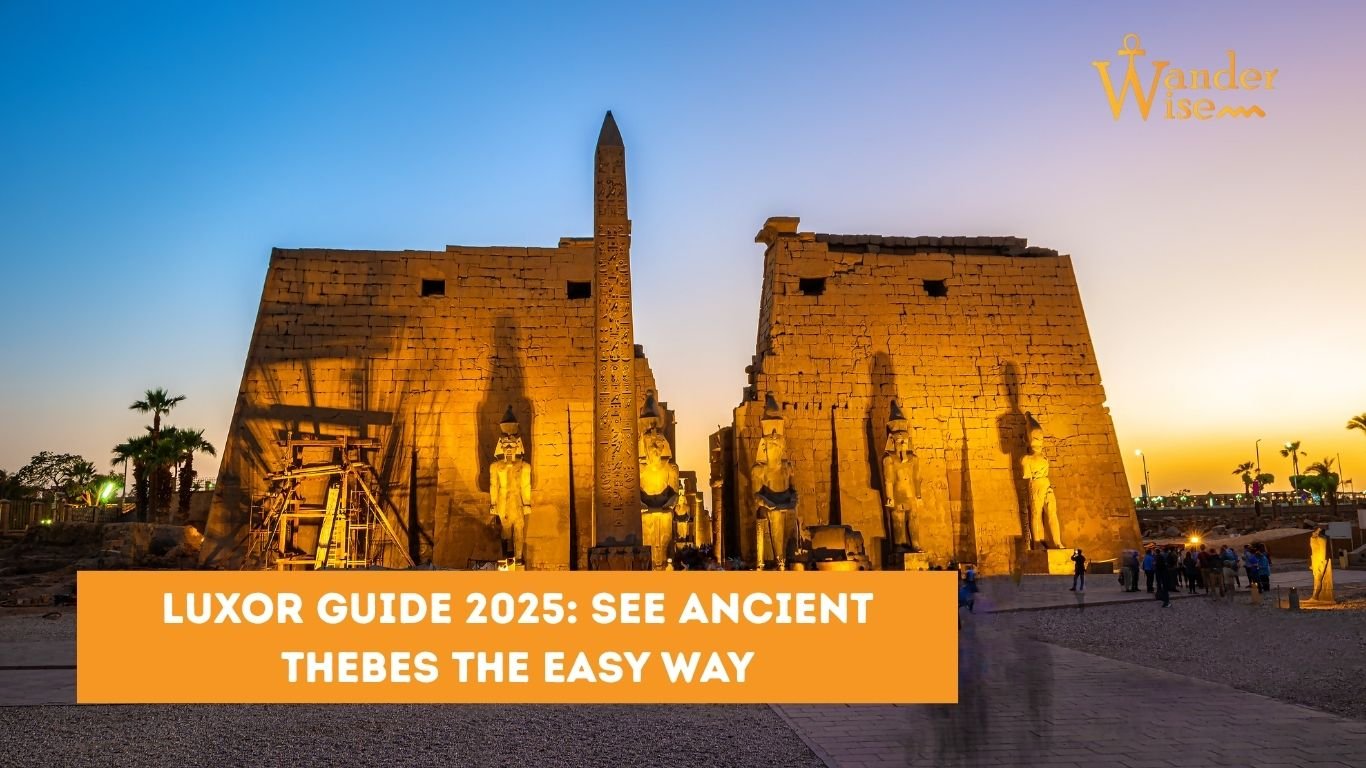
Quick facts & why Luxor matters
Luxor in one line: this is ancient Thebes, split by the Nile into the lively East Bank (temples, museums, hotels) and the desert-edge West Bank (royal tombs and mortuary temples). It’s one of the world’s richest archaeological landscapes and a World Heritage Site listed by UNESCO.
Where it sits: Upper Egypt, with the modern city wrapped around two headline sites — Karnak Temple Complex to the north and Luxor Temple on the riverfront. For a clear, neutral city overview, see Britannica.
Why it matters historically: Thebes rose to power in the Middle and New Kingdoms. Names you’ll hear everywhere — Hatshepsut, Amenhotep III, Tutankhamun, Ramesses II — are tied to the very temples and tombs you can visit today.
East Bank vs West Bank (easy difference):
-
East Bank = life and worship. Think Karnak, Avenue of Sphinxes, and Luxor Temple. Streets, hotels, museums, and the Corniche make this side lively and walkable.
-
West Bank = death and remembrance. Here you’ll explore the Valley of the Kings, Temple of Hatshepsut (Deir el-Bahari), Valley of the Queens, Medinet Habu, Deir el-Medina, and the Colossi of Memnon.
Modern vibe: Today’s Luxor is a real working city with markets, ferries crossing the Nile, Nile-view cafés, and friendly neighbourhoods that welcome travellers year-round.
Why people love it:
-
You can walk through 3,000+ years of history in a single day.
-
Sites are close together, so you can see a lot without long transfers.
-
New conservation work and occasional tomb reopenings keep the story fresh.
Luxor map & neighbourhoods
How the city sits: Luxor straddles the Nile. The busy East Bank holds most hotels, museums, shops, the railway station, and headline temples in town. The quieter West Bank sits against the desert cliffs, where the tombs and mortuary temples spread out across valleys and villages.
East Bank at a glance
-
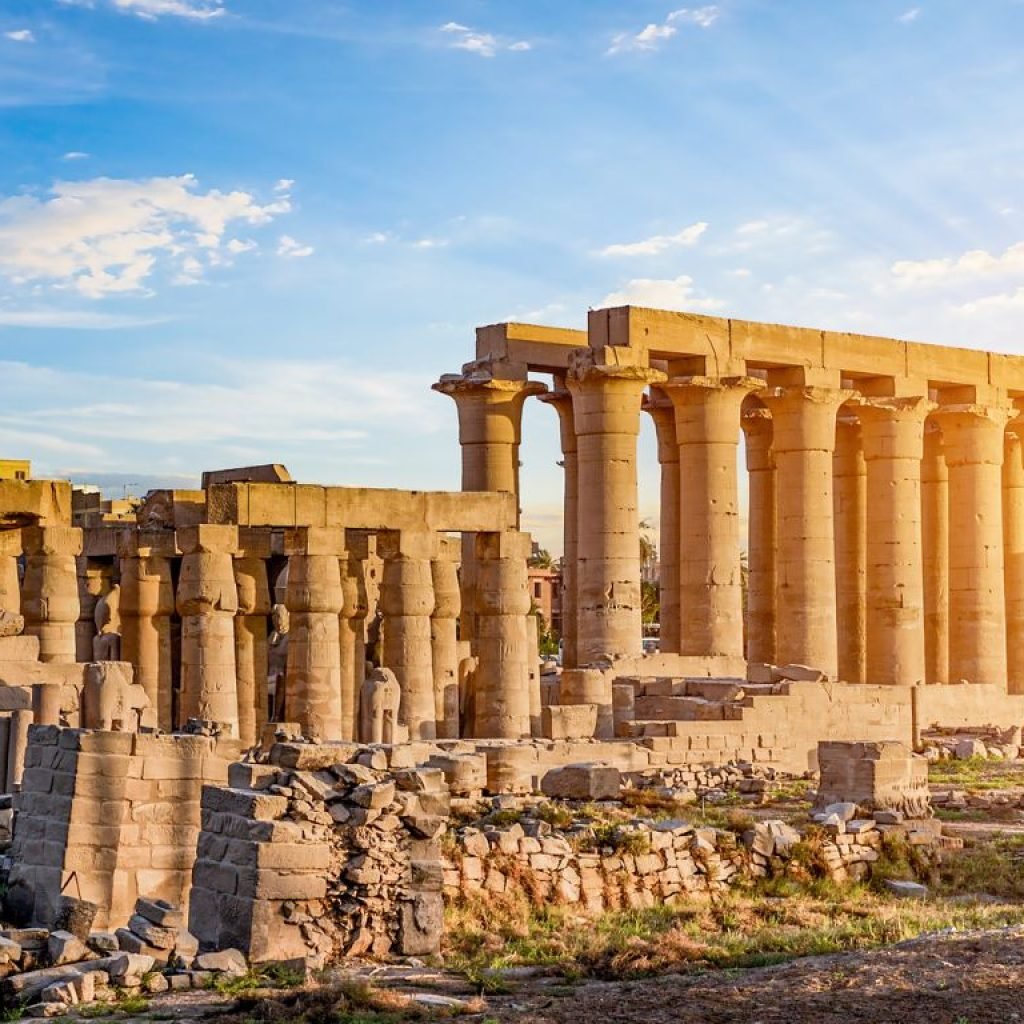
Corniche & downtown: Riverfront promenade, easy for sunset walks, feluccas, cafés, and Luxor Temple right in the centre.
-
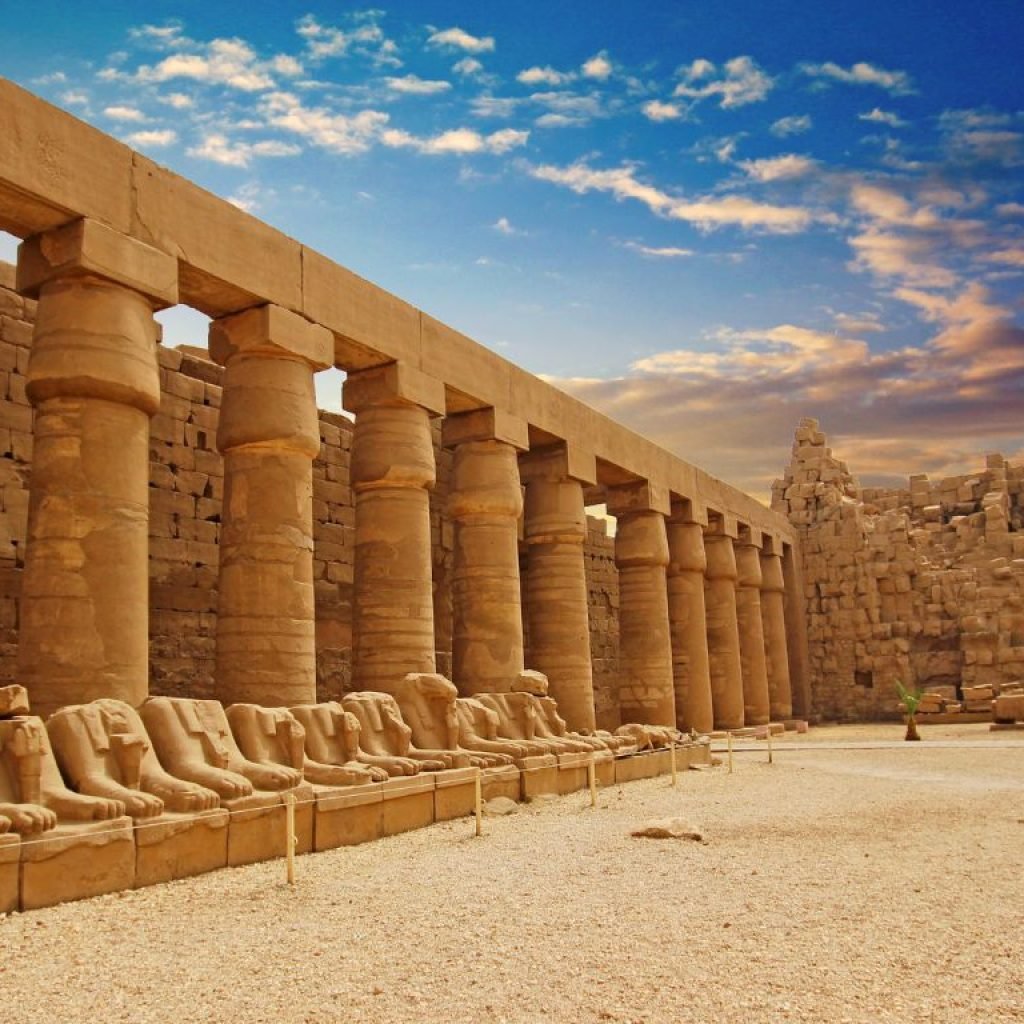
Karnak area (north): Home to Karnak Temple Complex and parts of the Avenue of Sphinxes; handy for early starts before the heat.
-
Around the museum: Compact zone near the Luxor Museum and the Mummification Museum, good for culture without long transfers.
-
Why stay here: Short hops between sights, more dining choices, simpler transport connections (taxis, trains, and boats).
West Bank at a glance
-
Valley zones: Valley of the Kings and Valley of the Queens sit in separate wadis behind the cliffs; allow time for shuttles and short uphill walks.
-
Temples belt: Hatshepsut (Deir el-Bahari), Medinet Habu, and the Ramesseum dot the desert edge with photo stops like the Colossi of Memnon nearby.
-
Village strips (Al Bairat, Al Qarna): Guesthouses, small cafés, bike rentals, and boat landings; peaceful base for dawn tomb visits.
-
Why stay here: Quiet nights, fast access to tombs at opening time, easy ferry back to town for dinner.
Crossing the Nile
-
Public ferry: The no-frills, budget way between banks; frequent and quick.
-
Private motorboats: Cost a bit more but run on your schedule; great at sunset.
-
Tip: If you sleep on the West Bank, plan dinner either locally or cross by boat before it gets late.
How to split your time
-
One day: East Bank focus (Karnak + Luxor Temple) with a short West Bank teaser (Colossi or one marquee tomb).
-
Two days: Day 1 East Bank; Day 2 West Bank (Valley of the Kings + Hatshepsut + Medinet Habu).
-
Three days: Add museums, Deir el-Medina, and quieter nobles’ tombs, plus slow boat rides at dusk.
For a simple official intro to the city and its main areas, see Experience Egypt.
Top monuments & attractions (by bank)
East Bank
Karnak Temple Complex — A vast sacred city with pylons, obelisks, and the Great Hypostyle Hall. Go early for soft light and smaller crowds.
Avenue of Sphinxes — The reconnected processional way linking Karnak to Luxor Temple; you can walk short sections near both ends.
Luxor Temple — Right in the city centre; gorgeous at dusk when the reliefs glow. For site background, see the official page from the Ministry of Tourism & Antiquities.
Luxor Museum — Compact, beautifully lit displays (don’t miss the royal mummies and statues).
Mummification Museum — Small but fascinating look at tools and techniques.
Luxor Corniche — Palm-lined promenade for sunset strolls and boat rides.
Sound & Light at Karnak — Evening storytelling among columns; best if you enjoy history brought to life.
West Bank
Valley of the Kings — Rock-cut royal tombs with bright colours and long corridors; the standard ticket covers a rotating set, with optional extras for famous tombs.
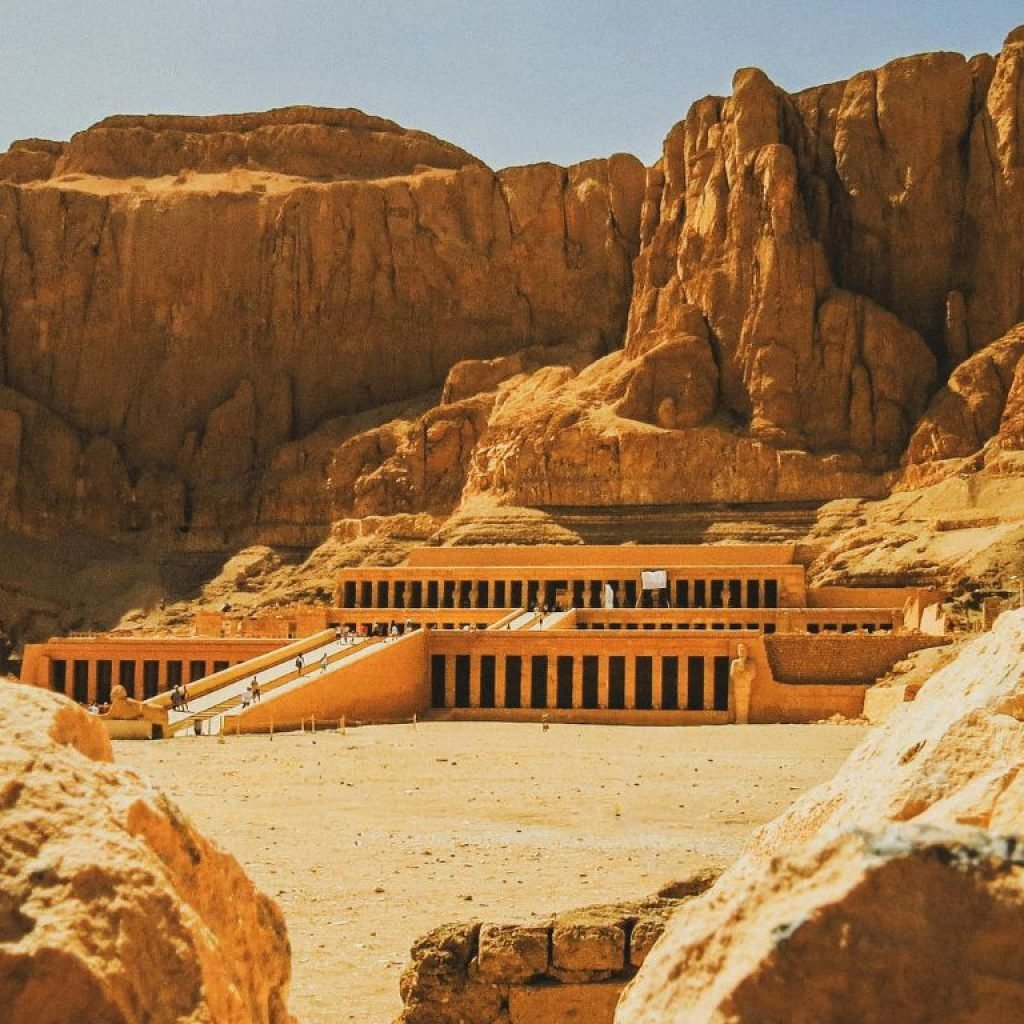
Temple of Hatshepsut (Deir el-Bahari) — Terraced masterpiece pressed against dramatic cliffs; reach it by tram from the visitor area.
Valley of the Queens — Smaller valley with elegant paintings; look for the premium option to visit Nefertari when open.
Medinet Habu (Ramesses III) — Deep carvings and vivid colours; quieter than the big-name sites and a favourite for photographers.
Ramesseum — Ramesses II’s mortuary temple with toppled colossi and fine reliefs.
Deir el-Medina (Artisans’ Village) — Home and tombs of the workers who built the royal tombs; wonderfully preserved everyday scenes.
Tombs of the Nobles — Scattered on the hillsides; brilliant for life-in-ancient-Egypt scenes.
Colossi of Memnon — Two giant statues by the roadside; quick stop for classic photos.
Museums & special stops
Luxor Museum — See it between Karnak and Luxor Temple; plan ~60–90 minutes.
Carter House (West Bank) — A small museum in Howard Carter’s former home, near the Valley of the Kings road.
Coptic & Islamic heritage — Mosques and churches around the city hint at Luxor’s life beyond pharaohs.
UNESCO context — All of this forms part of Ancient Thebes with its Necropolis, listed by UNESCO.
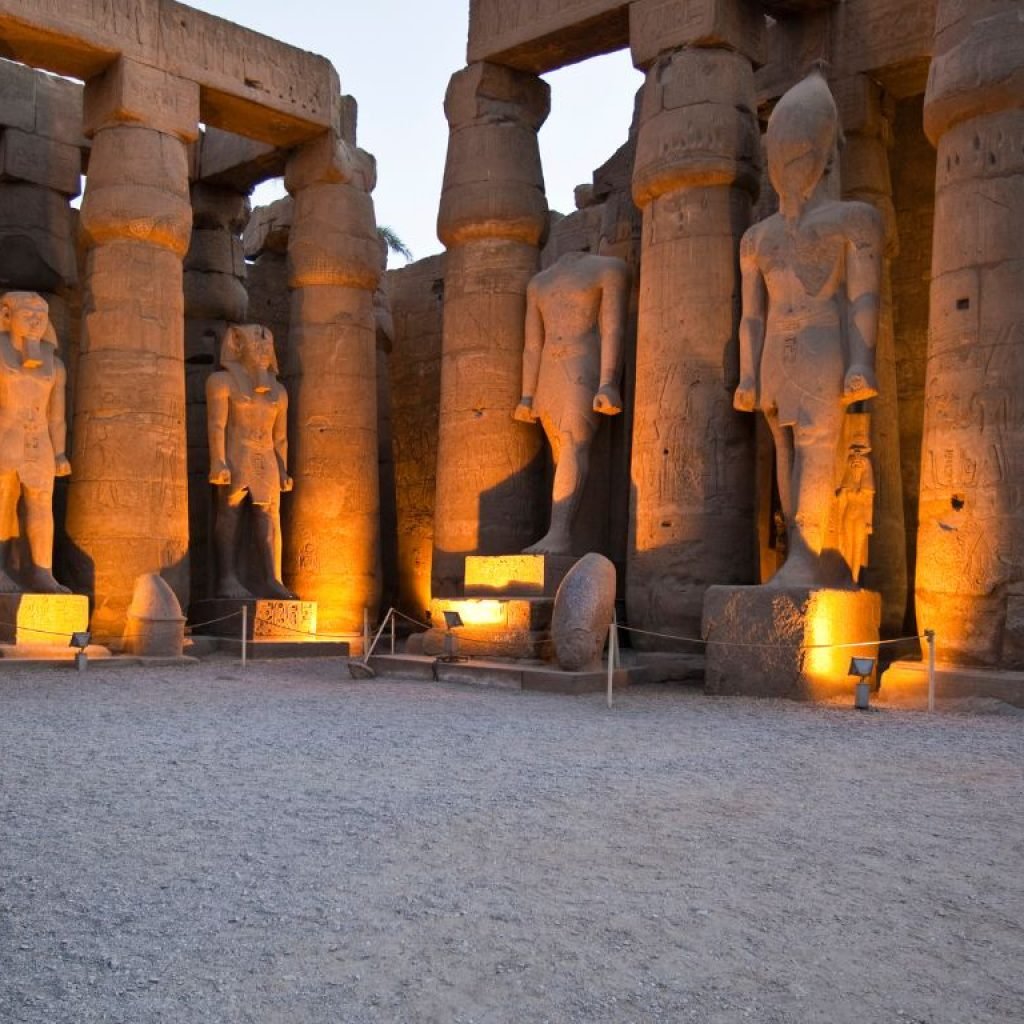
Quick planning pointers
-
Order matters: Do Karnak first thing, Luxor Temple at golden hour, and the West Bank early the next morning.
-
Shade & steps: Many sites are open to the sun; several tombs include stairs and low ceilings.
-
Tickets: Consider the Luxor Pass if you’ll visit lots of sites over two days; we’ll detail prices and what it covers in the Tickets section.
-
Tours: Want it stress-free? Compare options on our tours page or read tips on the blog before you book.
Best things to do in Luxor
Sunrise hot-air balloon
Drift over the West Bank at dawn for a bird’s-eye view of the desert cliffs, fields, and temple outlines. Flights depend on weather and civil aviation clearance, so book for your first morning in case it needs a re-schedule. Wear a light layer (cool at dawn) and closed shoes. For a feel of what you’ll see, skim the official city primer on Experience Egypt.
Nile time: felucca or motorboat
Go out at sunset from the Corniche: a felucca is quiet and romantic, motorboats are faster if you’re tight on time. Bring small notes for the skipper and agree the price and duration before boarding. Families: ask for life jackets in kids’ sizes.
Karnak Sound & Light
An evening storytelling walk through pylons and the Great Hypostyle Hall. It’s ideal if you visited by day and want a different mood at night. Wrap up if it’s winter; desert evenings feel cooler than the forecast suggests.
East Bank evening walk
Stroll the Corniche and finish with Luxor Temple at dusk when reliefs glow and photos pop. If you prefer a guided evening, pair it with a short boat ride, then dinner nearby.
West Bank temple run
If you’ve a spare afternoon, string together Medinet Habu, the Ramesseum, and the Colossi of Memnon. These are close together and quieter than headline spots; they’re perfect for photographers chasing low-angle light.
Tombs with colour
The Valley of the Kings has rotating tombs on the standard ticket, often with bright pigments near doorways and ceilings—look up. If you’re a keen art lover, add Deir el-Medina for everyday-life scenes and super-sharp detail. For context on how the whole area fits together, see UNESCO (Ancient Thebes with its Necropolis).
Museums in an hour
The Luxor Museum is compact and beautifully lit—easy to do between Karnak and town. The Mummification Museum is a neat add-on if you’re staying central and want a cooler, indoor break.
Balloon-free sunrise
Skip the balloon? Head to the Valley of the Kings gate early and enjoy the cliffs changing colour, or take the public ferry at first light for calm river photos.
Souqs & handicrafts
Look for alabaster workshops on the West Bank and hand-painted papyrus in town. Ask to see the making process, and expect friendly bargaining; cash gets better prices.
Ethical notes
If you’re offered animal rides or carriages, choose operators who look after their animals (water, shade, resting times). Say no politely to anything that feels pushy or unsafe.
Easy wins with a guide
A licensed Egyptologist can help you read the scenes you’d otherwise miss—like festival routes, king lists, and hidden cartouches. Compare options on our tours page, or browse tips on the blog before you book.
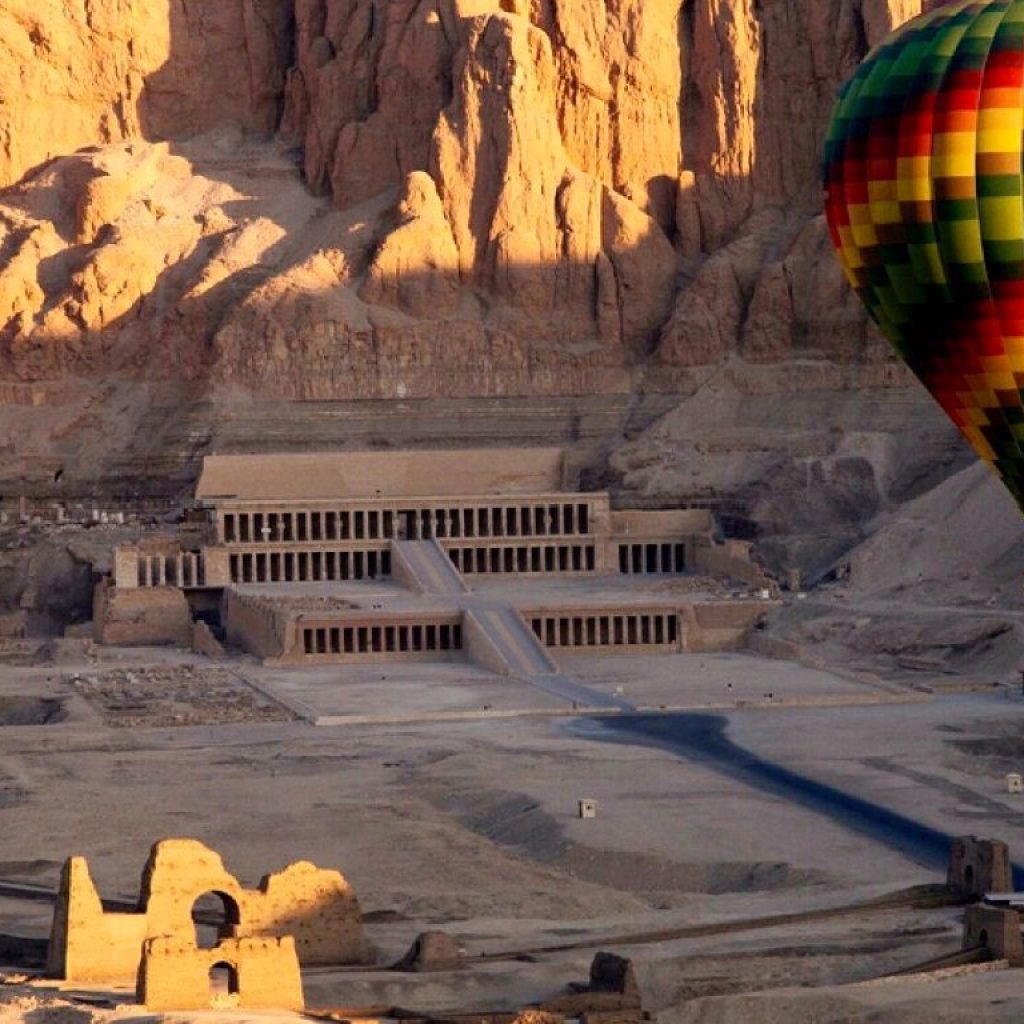
Luxor history made simple
From Thebes to Luxor — the short version
Long before the modern city, this was Thebes, a power centre on the Nile. It rose in the Middle Kingdom (c. 2050–1650 BCE) and peaked in the New Kingdom (c. 1550–1070 BCE), when pharaohs expanded temples on the East Bank and carved royal tombs into the West Bank cliffs. If you want a neutral primer while you read, skim Britannica.
East Bank: life, worship, and parades
Temples here were living places of worship. Karnak grew for over 1,500 years, with each ruler adding pylons, obelisks, and courts. Luxor Temple linked to Karnak by the Avenue of Sphinxes; during festivals, statues of the gods travelled this route in processions. Priests maintained daily rituals, washed sacred statues, and marked the calendar with huge public ceremonies.
West Bank: death, eternity, and memory
Across the river, the desert cliffs promised a dry, safe afterlife. Pharaohs chose hidden tombs in the Valley of the Kings, while their mortuary temples—such as Hatshepsut’s at Deir el-Bahari and Medinet Habu—stood on the edge of the fields to host ongoing offerings. Nearby, Deir el-Medina housed the skilled workers who cut and painted the royal tombs.
Pharaohs you’ll hear about (fast facts)
-
Hatshepsut: powerful queen-king; built the terraced temple at Deir el-Bahari.
-
Amenhotep III: era of huge building projects; think colossal statues and grand courts.
-
Tutankhamun: boy king; his small but intact tomb made Luxor world-famous.
-
Ramesses II: long reign, bold reliefs; left his mark from Karnak to the Ramesseum.
How temples evolved
A temple usually began with a pylon (gate), then open courts, then a columned hypostyle hall, and finally the dim sanctuary. Over centuries, new pylons and side chapels extended the complex, so you often walk “back in time” as you move inward.
Why UNESCO protects it
Together, the East Bank temples and the vast necropolis form Ancient Thebes with its Necropolis, recognised for outstanding universal value by UNESCO. In short: few places on earth show religion, royal power, art, and everyday life across millennia so clearly in one city.
Practicalities: tickets, passes & opening times
Ticket basics (keep it simple)
Most major sites sell tickets at the gate and take cards. Opening hours vary a bit by season, with many West Bank tombs running roughly early morning to late afternoon. For current prices and hours in one place, check the official ticket list.
Luxor Pass (when it’s worth it)
If you plan to see a lot over two or more days, the Luxor Pass can be great value. There are two versions: Standard (most sites) and Premium (adds Nefertari and Seti I once per day). Bring your passport; students usually need a valid ISIC or university ID. The pass allows multiple entries within its validity, which is handy for returning at cooler hours.
Quick buying tips
-
Carry your passport (or a clear copy) for passes and some ticket offices.
-
Keep a card and small cash for odd kiosks or shuttles.
-
For the big hits (e.g., Valley of the Kings), arrive early; heat and queues build after 10:00. The official list also shows which tombs are extra tickets (e.g., Tutankhamun, Seti I).
Photography rules
Mobile-phone photography is generally fine at open-air sites; flash and tripods are often restricted inside tombs. Always check signage at the entrance or ask staff before you shoot. The official ticket list flags special cases and premium tombs with separate policies.
Getting there
Luxor from Hurghada (road is best)
The cleanest way is a small-group tour or private car: door-to-door, early start, and you control the pace at Karnak and Luxor Temple. Public buses run the route too (ask for the Luxor station), but you’ll add taxis on arrival. As a rule: aim to leave before sunrise, build in a breakfast stop, and plan Luxor Temple for late afternoon. If you want it handled for you, compare options on our tours page.
From Cairo (fly or take the train)
For short trips, flying is usually the easiest—Cairo ↔ Luxor is a frequent domestic hop with EgyptAir. If you’d rather see the countryside and save a hotel night, book the express or sleeper via the Egyptian National Railways. Trains deliver you to central Luxor; keep your passport handy for ticket checks.
From Aswan (train, road, or cruise)
Fastest is the regular train up the Nile; road transfers are simple and scenic if you like flexible stops (Edfu/Kom Ombo). If you have time, a short cruise between Aswan and Luxor is a lovely, slow way to join the dots.
Accessibility notes
Luxor works well with a bit of planning. Trains place you downtown; taxis and the public ferry make cross-river hops easy. Many sites have wide, paved approaches; tombs often involve steps or low ceilings, so bring a small torch and plan shade breaks. If you need minimal walking, pick a guide and vehicle so you can park close and pace the day to the coolest hours.
Getting around Luxor
Taxis (simple and fast)
Flag one on the Corniche or ask your hotel. Always agree the fare before you ride and confirm whether it’s one-way or return with waiting time. For West Bank temple-hopping, hire a driver by the hour so you’re not negotiating at every stop. Carry small notes.
Public ferry (best cross-river budget)
The people’s ferry shuttles East ↔ West Bank all day and into the evening. Tickets are cheap, departures are frequent, and the ride takes a few minutes. It lands close to the West Bank taxi stands, bike rentals, and boat jetties.
Private motorboats (flexible & scenic)
If you want to cross at odd hours or line up a sunset return, hire a motorboat. Prices are per trip; agree time and meeting point. Handy if you’re staying West Bank but dining in town.
Bikes & scooters (West Bank only)
Flat roads and short hops between sites make cycling pleasant outside peak heat. Rent near the ferry landing or in village strips like Al Bairat. Wear a hat, take water, and avoid midday rides June–September.
Walking (plan for shade)
East Bank sights (Luxor Temple, museum area, Corniche) are walkable. On the West Bank, distances between temples are longer and exposed; mix walking with short taxi hops to save energy.
Site shuttles & trams
Expect electric trams at places like Hatshepsut and Valley of the Kings from the visitor centre to the entrance. Keep a little cash; these are separate from your main ticket.
Guided day with transport (stress-free)
A licensed guide with a vehicle lets you park close, time shady breaks, and reorder stops when crowds build. It’s the easiest way to fit Karnak, Luxor Temple, and two or three West Bank sites without rushing. Compare options on our tours page, or read planning tips on the blog.
Accessibility pointers
Ask drivers to drop you at paved approaches where available. Tombs often have steps and low ceilings; bring a small torch and take your time. If stairs are a concern, focus on open-air complexes like Luxor Temple and Medinet Habu, where you can still see a lot from level ground.
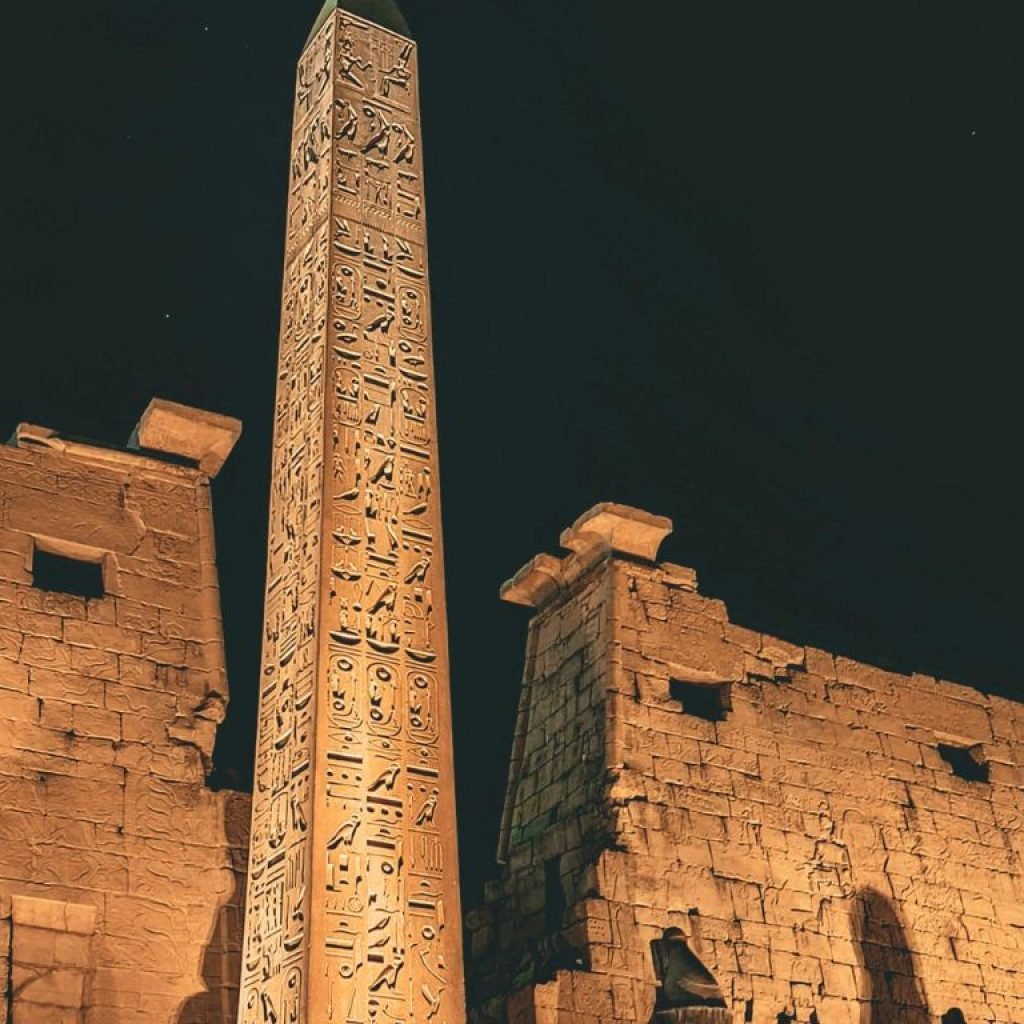
Where to stay
Big picture: choose East Bank for buzz, riverfront hotels, museums, and easy walks to Luxor Temple. Choose West Bank for quiet sunsets, village guesthouses, and fast morning access to the tombs and mortuary temples.
East Bank — who it suits
-
First-timers & short stays: You’re near the railway station, Luxor Museum, Corniche, shops, and plenty of cafés.
-
Evening walks: Stroll the promenade, pop into Luxor Temple at dusk, then dinner nearby without taxis.
-
Smooth transfers: Handy for early flights/trains and day tours that start from central pick-ups.
What to look for
-
Riverside location: Quieter rooms and Nile views; still a short ride to Karnak.
-
Shade & pool: Midday breaks matter, especially May–September.
-
Early breakfast times: Useful for dawn starts to avoid heat and crowds.
-
Soundproofing/AC: Central streets can be lively; good glazing makes sleep easier.
West Bank — who it suits
-
Slow travellers & photographers: Dawn light at Medinet Habu, Hatshepsut, or ferry crossings without crossing town first.
-
Families & chill breaks: Guesthouses with gardens feel homely; many can arrange bikes and packed breakfasts.
-
Temple-hopping days: Short hops between Valley of the Kings, Queens, Ramesseum, and Colossi.
What to look for
-
Near the ferry or main road: Faster crossings to town and simpler pick-ups.
-
Courtyard shade & rooftop terraces: Great for late-day rests and sunset views.
-
On-site meals or nearby eateries: Handy if you don’t want to cross the river at night.
Choosing by trip style
-
One night only: East Bank keeps logistics simple (late temple visit + dinner + early train/flight).
-
Two–three nights: West Bank base for tomb mornings; ferry into town for evenings.
-
Mixed stay: Start East for museums and river strolls, then switch West for quiet nights and early site entries.
Practical booking tips
-
Check breakfast start times (ask for a take-away box if leaving before 06:00).
-
Confirm air-con and heating (winter nights can be cool).
-
Ask about rooftop access for sunset views over the fields and cliffs.
-
Plan your transport: if staying West Bank, note the public ferry times or pre-book a local boatman for late returns.
-
Arrival timing: If you reach Luxor at night, pre-arrange a hotel pickup so you’re not haggling on the pavement with luggage.
Where to eat & drink
How food works in Luxor: tasty, simple, and good value. Expect grilled meats, stews, fresh bread, rice, salads, and lots of tahini. If you want a quick primer on dishes, have a skim of Egyptian cuisine so the names feel familiar.
Classic Egyptian dishes to try
-
Koshari: pasta, rice, lentils, chickpeas, tomato sauce, crispy onions.
-
Fatta: rice and bread with rich meat broth (festive, filling).
-
Molokhia: silky green soup, usually with chicken or rabbit; eat with bread.
-
Ful & ta‘meya: slow-cooked fava beans and falafel, perfect for breakfast.
-
Grills: kofta (minced beef/lamb), kebab, and chicken on charcoal.
-
Desserts: basbousa, konafa, rice pudding; finish with mint tea or karkadeh (hibiscus).
Nile-view restaurants & cafés (East Bank)
-
Al-Sahaby Lane (rooftop): mixed Egyptian menu, convenient for Luxor Temple evenings.
-
Pizza Roma (family-friendly): quick pastas, pizzas, fresh juices.
-
Aboudi Coffee Break (casual): handy for a cool drink and sunset people-watching on the Corniche.
-
Sofra Restaurant & Café (atmospheric townhouse): meze, tagines, grills; book for dinner in peak season.
Reliable West Bank spots (near sites)
-
El Marsam (by Medinet Habu): leafy courtyard, Egyptian mains, fresh bread.
-
Nour El-Qurna (village strip): homely plates, veggie-friendly options.
-
Sunflower Restaurant (Al Bairat area): simple, good portions after temple-hopping.
-
Africa Restaurant (near the ferry): quick grills before crossing back.
Juice bars, sweets & quick bites
-
Fresh juice stands on the Corniche (mango, sugarcane, orange) — ask for no ice if you prefer.
-
Bakeries around downtown for croissants, simit-style bread, and cakes.
-
Street snacks: sweet potatoes in winter evenings; roasted peanuts year-round.
How to choose well (and eat happy)
-
Busy = fresh. Pick places with a steady turnover.
-
Menu clues. Grills, stews, and oven dishes are safe bets; ask what’s “today’s special”.
-
Water & ice. Bottled water is everywhere; if unsure about ice, ask to skip it.
-
Dress & manners. Smart-casual is fine. In local cafés, keep shoulders covered out of respect.
-
Tipping. 10% is polite if service isn’t already added.
-
Vegetarian/vegan. You’ll be fine with salads, dips, falafel, koshari, and aubergine dishes; say “no meat, no stock”.
Late-night options
-
East Bank stays busier after dark, especially near the Corniche and Luxor Temple. West Bank winds down earlier; plan dinner there or cross the ferry before it’s late.
Sample itineraries
One perfect day (first-timer)
05:30 Depart hotel (Hurghada day-trippers: leave before sunrise).
08:00 Karnak Temple — head straight to the Great Hypostyle Hall while it’s quiet.
10:00 Walk a short section of the Avenue of Sphinxes towards town (or hop a taxi).
10:30 Luxor Museum (60–90 mins) — air-conditioned break and superb statues.
12:15 Lunch near the Corniche; cool down and refill water.
13:30 Ferry to West Bank. Short taxi hop to Medinet Habu (calmer than headline sites, brilliant colours).
15:30 Colossi of Memnon photo stop, then back across the river.
17:00 Luxor Temple at golden hour; stay through dusk for the glow.
19:00 Dinner and a slow stroll along the Corniche.
Tips: Buy individual tickets today (a pass isn’t essential for a single day). Wear light clothes, sun hat, and comfy shoes. If you prefer zero admin, book a guided day on our tours page.
Two days (hit the classics without rushing)
Day 1 — East Bank focus
-
Morning: Karnak early; add the sacred lake and open-air museum if you love details.
-
Midday: Luxor Museum and lunch.
-
Late day: Luxor Temple at dusk; option for Sound & Light at Karnak afterwards.
Day 2 — West Bank highlights
-
Early: Valley of the Kings as gates open; see your three included tombs (buy extras like Tutankhamun if you wish).
-
Late morning: Temple of Hatshepsut (Deir el-Bahari).
-
Lunch: West Bank cafés near the ferry.
-
Afternoon: Deir el-Medina or Tombs of the Nobles; finish at Medinet Habu for low-angle light.
Pass math: If you’ll visit many sites, the Luxor Pass can pay off here. Keep passport/ID handy. For planning ideas before you book, browse our blog.
Three days (deep dive)
Day 1: Karnak in depth (open-air museum), Luxor Museum, evening at Luxor Temple.
Day 2: Valley of the Kings (add Seti I if open), Hatshepsut, Colossi of Memnon, Medinet Habu.
Day 3: Valley of the Queens (consider Nefertari premium), Deir el-Medina, and slow ferry rides or a felucca at sunset.
Why it works: You’ll balance indoor breaks with shaded courtyards, avoid the midday crush, and catch the best light at key sites.
Family-friendly day (shade and breaks)
-
Morning: Short, wow-factor visit to Karnak (choose a few highlights, not everything).
-
Snack & museum: Luxor Museum for 45–60 mins.
-
Rest: Long lunch + ice cream stop.
-
Late afternoon: Luxor Temple (open spaces, great photos).
Parents’ notes: Pack hats, electrolyte sachets, and small cash for trams and ferries. Keep tomb visits brief if little ones don’t like stairs or low ceilings.
Photographer’s dawn-to-dusk
-
Blue hour: Corniche and river boats.
-
Sunrise: Ferry to West Bank; silhouettes of cliffs and fields.
-
Morning: Medinet Habu carvings and colour textures; Deir el-Medina for close-up painting.
-
Golden hour: Luxor Temple colonnade; night shots of obelisks and pylons.
Kit: Wide + fast prime, polariser, and a small torch for reading reliefs (no tripods inside tombs).
When to visit & weather
Cool season (October–April)
This is the sweet spot. Days are warm and clear; nights can feel cool by the river. Plan longer site visits, add museums at midday, and enjoy dusk at Luxor Temple without roasting. Peak months (December–February) are busier—book balloons and popular tours early via our tours page.
Hot season (May–September)
Expect strong sun and high UV. Do tombs and open-air sites at opening time, then break for shade, lunch, or a nap. Return after 16:00 for softer light. Carry a refillable bottle, electrolytes, and a light scarf for sun and dust.
Monthly feel (quick guide)
-
Oct–Nov: Warm, bright, perfect for long days.
-
Dec–Feb: Mild days, cool evenings; pack a light jacket.
-
Mar–Apr: Warming up; occasional spring winds.
-
May–Jun: Hot; strict early/late sightseeing helps.
-
Jul–Aug: Very hot; keep plans short and focused.
-
Sep: Eases off; late afternoons become pleasant again.
Ramadan & holidays
Opening hours can shift slightly during Ramadan and public holidays; evenings may feel livelier after sunset. If a favourite restaurant is quiet midday, plan an earlier breakfast and a later dinner.
Heat-management tips that actually help
-
Start at gate time: Valley sites feel totally different before 09:00.
-
Dress smart: Light, breathable layers; hat; breathable shoes.
-
Shade strategy: Alternate sun-exposed temples with museums or boat rides.
-
Pace your water: Small, regular sips; add salts if you’re out for hours.
-
Suncare: High SPF, lip balm, and sunglasses; reapply more than you think.
Wind & dust
Spring can bring gusty days; wear glasses instead of contacts and keep a scarf handy. Balloons are weather-dependent—book for your first morning to allow a backup slot.
Money, safety & local etiquette
Cash, cards & ATMs
Bring a mix of card and small cash. ATMs are common on the East Bank; withdraw in Egyptian pounds to avoid extra fees. Many ticket offices and mid-range restaurants take cards, but small boats, taxis, and kiosks are cash-first.
Tipping basics
Service isn’t always included. For cafés and simple meals, 5–10% is kind. For sit-down restaurants, 10% on top of any service line is fair. For drivers and boatmen, agree a price, then add a small baksheesh if they waited or helped with bags.
Taxis & prices
Always agree the fare before you ride. For multi-stop West Bank days, hire by the hour so you’re not renegotiating each site. Keep small notes; it avoids change dramas.
Bargaining (souqs & workshops)
It’s normal to haggle—stay friendly, smile, and counter at about 50–60% of the first offer. If it’s not for you, a polite “no, thank you” and a step away works fine.
Dress & respect at sites
Light, modest clothing is both practical and respectful: shoulders and knees covered make temple visits easier and sunnier days more comfortable. In mosques and churches, follow any posted guidance.
Photography rules
Phones are usually fine; no flash or tripods inside tombs. Ask before photographing people. If a guard offers extra access, confirm whether it’s an official add-on before following.
Scams to sidestep
-
“Free” help that ends in a tip request—say thanks and keep walking.
-
Vendors placing items in your hand—return calmly if you’re not buying.
-
Over-helpful “guides” at gates—book licensed guides via our tours or your hotel.
Health & heat
Carry a refillable bottle, add electrolytes in hot months, and take shade breaks. Pharmacies are plentiful; pack any regular meds and a small first-aid kit.
Safety feel
Tourist areas are well-patrolled. Keep valuables zipped, use hotel safes, and at night stick to lit streets on the East Bank or pre-arrange your West Bank boat/taxi. For background on cultural etiquette and norms, a quick skim of Britannica is helpful.
Packing list for Luxor
Sun & heat kit
-
Wide-brim hat or cap with neck shade.
-
High SPF sunscreen and lip balm; reapply often.
-
UV sunglasses (polarised if you can).
-
Light scarf or shawl for sun and dust.
-
Electrolyte sachets to add to water on hot days.
Clothes & footwear
-
Breathable tops (linen/cotton), light trousers or long skirts/shorts to the knee.
-
Comfy walking shoes or sturdy sandals with grip.
-
Thin layer for cool winter evenings by the river.
-
Socks if you’ll be in closed shoes all day.
Daypack essentials
-
Refillable water bottle (freeze part-full overnight in hot months).
-
Small torch (handy in dim passages; don’t use flash).
-
Power bank + cable (maps/photos drain batteries fast).
-
Tissues and hand sanitiser.
-
Plasters and a mini first-aid kit.
Tickets & money
-
Passport or copy (needed for passes and sometimes tickets).
-
Bank card + small cash for ferries, taxis, and kiosks.
-
Hotel card or address screenshot for quick taxi returns.
Comfort extras
-
Portable fan or folding hand fan.
-
Cooling towel (wet it at lunch for instant relief).
-
Snacks (nuts, dates, energy bars) for early starts.
-
Notebook/pen if you like jotting tomb numbers and highlights.
Photography
-
Phone or camera with spare memory.
-
Lens cloth (dust is real), polariser for glare.
-
No tripods inside tombs; check signs before shooting.
Families
-
Kids’ hats/jackets for balloons or dawn ferries.
-
Light blanket for shade breaks.
-
Stickers or crayons for café downtime.
Glossary: names & terms you’ll see on signs
Avenue of Sphinxes — Processional road linking Karnak and Luxor Temple.
Cartouche — Oval ring around a royal name, protecting it magically.
Colonnade — Row of columns forming a walkway or hall.
Hypostyle hall — Vast roofed space held up by many columns (Karnak’s is the famous one).
Lintel — Horizontal stone beam across a doorway.
Necropolis — “City of the dead”; cemeteries and tomb valleys on the West Bank.
Obelisk — Tall tapering needle with a pyramidion top, carved with inscriptions.
Pylon — Monumental gateway with sloping sides marking a temple’s entrance.
Relief — Carving raised from (or sunk into) the stone surface; often painted.
Sanctuary — Innermost, most sacred chamber of a temple.
Sarcophagus — Stone coffin, often inscribed with protective texts.
Wadi — Dry valley or ravine; e.g., the Valley of the Kings wadi.
FAQs
Is Luxor doable as a day trip from Hurghada?
Yes—leave before sunrise, focus on Karnak and Luxor Temple, and consider one West Bank highlight (e.g., Medinet Habu). If you dislike rushing, stay one night.
Which tombs should I pick in the Valley of the Kings?
The standard ticket lets you choose three open tombs; staff at the gate list today’s options. Popular picks often include Ramesses IV (KV2) for colour, Ramesses IX (KV6) for scale, and Merenptah (KV8). Add paid extras like Tutankhamun if you’re keen.
Are night visits to Luxor Temple worth it?
Definitely. Reliefs glow under warm lighting and it’s cooler. Visit at golden hour, stay into night.
Is the Luxor Pass worth it?
If you’ll tour several sites over two or more days, often yes. The pass comes in Standard and Premium (adds Nefertari and Seti I). Bring your passport; check the latest inclusions via the official list.
How hot is too hot for kids?
Summer afternoons can be intense. Do early starts, long lunches, and late returns. Pick open-air sites with shade (e.g., Luxor Museum as a cool break).
Can I photograph inside tombs?
Phone photos are usually fine, but no flash or tripods. Check signs at each entrance; rules vary.
Is Luxor safe?
Tourist areas are well-policed. Use registered taxis, keep valuables zipped, and pre-arrange your late-night boat/taxi if staying West Bank.
Plan & book your Luxor trip
Compare tours and day trips
Ready-made days from Hurghada or custom itineraries in Luxor itself—browse and compare on our tours page.
Read next on the blog
Warm up with practical reads before you book: planning tips, temple highlights, and easy routes on our blog.
Comment (0)