10 Best Things to Do in Egypt for First-Time Visitors
October 13, 2025
0 comment
Few destinations in the world can compete with the magic and variety of Egypt. From the timeless Pyramids of Giza to the coral reefs of the Red Sea, this country has a way of capturing the imagination like nowhere else. Whether you’re fascinated by ancient history, eager for outdoor adventures, or just looking to relax under the desert sun, there are endless things to do in Egypt that will make your trip unforgettable.
For first-time visitors, Egypt is a destination of contrasts. One day, you’re standing face to face with the Great Sphinx, and the next, you’re sailing peacefully down the Nile as the sun sets behind palm trees and distant temples. The blend of ancient wonders and modern experiences makes Egypt not only one of the world’s oldest civilizations but also one of its most exciting travel destinations today.
Many travelers come for the history — and rightfully so. The temples of Luxor and Aswan, the tombs in the Valley of the Kings, and the colossal statues of Abu Simbel tell stories that stretch back over 3,000 years. But Egypt is far more than its past. The golden beaches of Hurghada and Sharm El Sheikh, the bustling bazaars of Cairo, and the tranquil oases scattered across the Western Desert offer experiences that show the country’s living culture and natural beauty.
The best part? You don’t have to be an archaeologist or adventure expert to enjoy it. Egypt is designed for travelers — with guided tours, Nile cruises, desert safaris, and resort getaways that fit every kind of traveler, from curious explorers to families and honeymooners.
In this guide, we’ll explore the 10 best things to do in Egypt for first-time visitors — from exploring ancient temples to diving in the Red Sea, discovering vibrant cities, and experiencing the warmth of Egyptian hospitality.
If you’re ready to start planning your dream trip, take a look at our Egypt Tours, Nile Cruises, and Hurghada Excursions — curated by Wander Wise to show you the very best of this incredible country.
Visit the Pyramids of Giza and the Sphinx (Cairo)
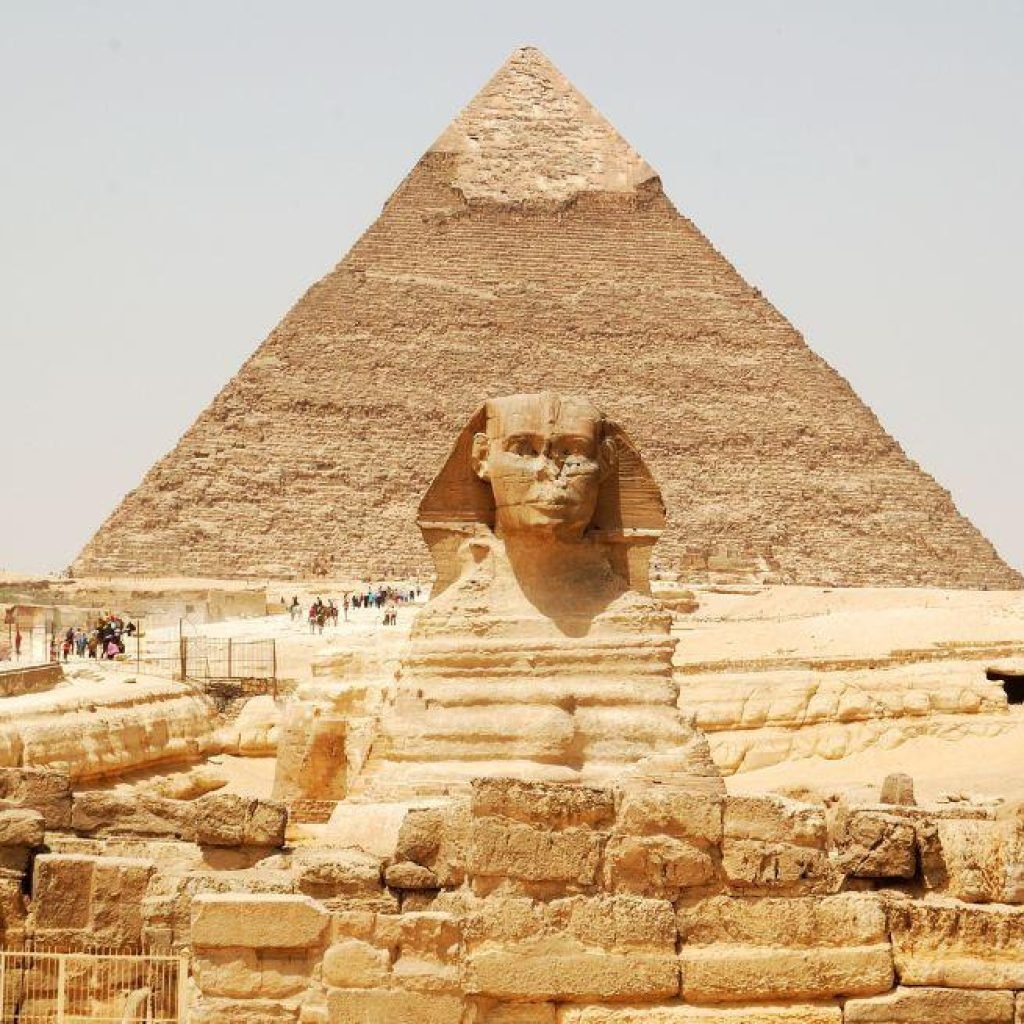
If there’s one experience that defines Egypt, it’s standing before the Pyramids of Giza and the Great Sphinx. These world-famous monuments are at the top of almost every traveler’s list of things to do in Egypt, and for good reason — they are the last surviving wonders of the ancient world and a breathtaking reminder of human achievement.
Located just outside Cairo, the Giza Plateau is home to three massive pyramids: the Great Pyramid of Khufu, the Pyramid of Khafre, and the Pyramid of Menkaure. Each was built more than 4,500 years ago as a royal tomb, and together they form one of the most recognizable skylines on Earth. Even after thousands of years, their size and precision are astonishing.
Visitors can explore the site on foot, by camel, or even on horseback. The Great Pyramid of Khufu is open to the public, allowing adventurous travelers to climb through narrow passageways into the heart of the structure. While the climb isn’t for everyone, stepping inside this ancient tomb is an unforgettable experience. Outside, the Great Sphinx of Giza guards the plateau — a massive limestone statue with the body of a lion and the head of a pharaoh, symbolizing strength and wisdom.
For the best views, visit early in the morning before the crowds arrive or at sunset when the light turns the desert gold. In the evening, the Sound and Light Show at the pyramids brings their history to life with narration, music, and illuminated visuals — a must-see for anyone spending the night in Cairo.
The Giza Plateau also includes the Solar Boat Museum, where you can see a reconstructed wooden boat buried with Pharaoh Khufu for his journey to the afterlife. This detail alone reveals how advanced and symbolic Egyptian burial practices were.
Exploring the Pyramids and Sphinx is more than just sightseeing — it’s a connection to one of humanity’s greatest stories. Whether you’re traveling solo, as a family, or on a guided tour, visiting Giza is one of the most unforgettable things to do in Egypt.
To plan your visit, explore our Cairo Tours, which include private guides, transportation, and entry to the pyramids and museum sites.
Cruise the Nile from Luxor to Aswan
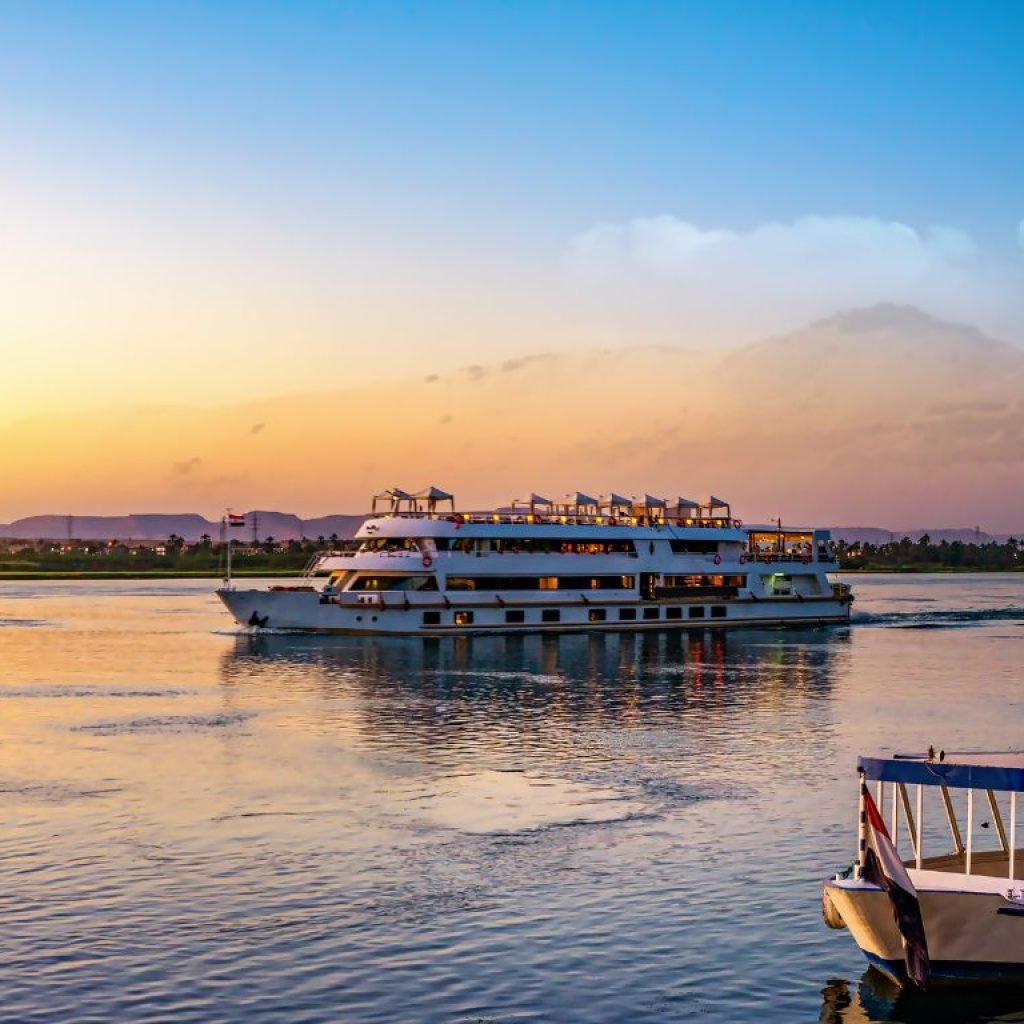
A Nile cruise is one of the most iconic and relaxing things to do in Egypt. Stretching from Luxor in the north to Aswan in the south, the Nile is more than just a river — it’s the lifeblood of Egypt, both ancient and modern. Cruising along its calm waters is like traveling through an open-air museum, where every bend reveals temples, tombs, and timeless villages that have stood for thousands of years.
Most Nile cruises last between three and seven nights, depending on how much time you want to spend exploring. The journey typically begins in Luxor, home to some of Egypt’s most extraordinary ancient sites, including the Karnak Temple, the Luxor Temple, and the Valley of the Kings. As the cruise continues southward, the scenery transforms from lush farmland to golden desert, punctuated by palm trees and small islands.
One of the highlights of the cruise is visiting the Temple of Edfu, dedicated to the falcon god Horus. It’s one of the best-preserved temples in Egypt, offering a vivid picture of how these sacred spaces once looked. A little further along, the Temple of Kom Ombo impresses visitors with its perfectly symmetrical design, honoring both the crocodile god Sobek and the falcon god Horus. These stops make the cruise feel like a journey through living history.
In Aswan, travelers can explore the Philae Temple, dedicated to the goddess Isis, and take optional excursions to the magnificent Abu Simbel Temples, carved into solid rock by Ramses II. The evenings on board are just as magical — dining on deck as the sun sets over the Nile, watching local life unfold on the riverbanks, and enjoying traditional music under a sky full of stars.
What makes a Nile cruise so special is that it combines comfort and culture in one experience. You’re not just visiting temples — you’re gliding through the same waters that carried pharaohs, traders, and explorers for millennia. For many travelers, it’s the highlight of their trip and one of the most unforgettable things to do in Egypt.
To plan your river adventure, explore our Nile Cruise Packages, which include guided visits, luxurious cabins, and hand-picked excursions along the Nile.
Explore the Temples of Karnak and Luxor
Exploring the Temples of Karnak and Luxor is one of the most impressive things to do in Egypt — an experience that transports travelers straight into the heart of ancient Thebes, the religious capital of the pharaohs. Together, these two temples form the spiritual and architectural centerpiece of Luxor, showcasing over a thousand years of Egyptian history carved in stone.
The Karnak Temple Complex, one of the largest religious sites ever built, is a sprawling network of sanctuaries, chapels, pylons, and colossal columns dedicated mainly to the god Amun-Ra. Its sheer size and detail make it one of the greatest architectural achievements of the ancient world. The famous Hypostyle Hall alone, with 134 towering sandstone columns arranged in perfect symmetry, is enough to leave visitors speechless. Walking through it feels like stepping inside a stone forest where every pillar tells a story of divine power and royal ambition.
A short distance down the Nile lies the Luxor Temple, connected to Karnak by the Avenue of Sphinxes — a grand processional road that once hosted religious festivals and royal ceremonies. Built by Amenhotep III and expanded by Ramses II, the temple was a place of celebration, not burial. Its walls are adorned with detailed carvings of the Opet Festival, when statues of the gods were paraded from Karnak to Luxor to renew the pharaoh’s divine right to rule.
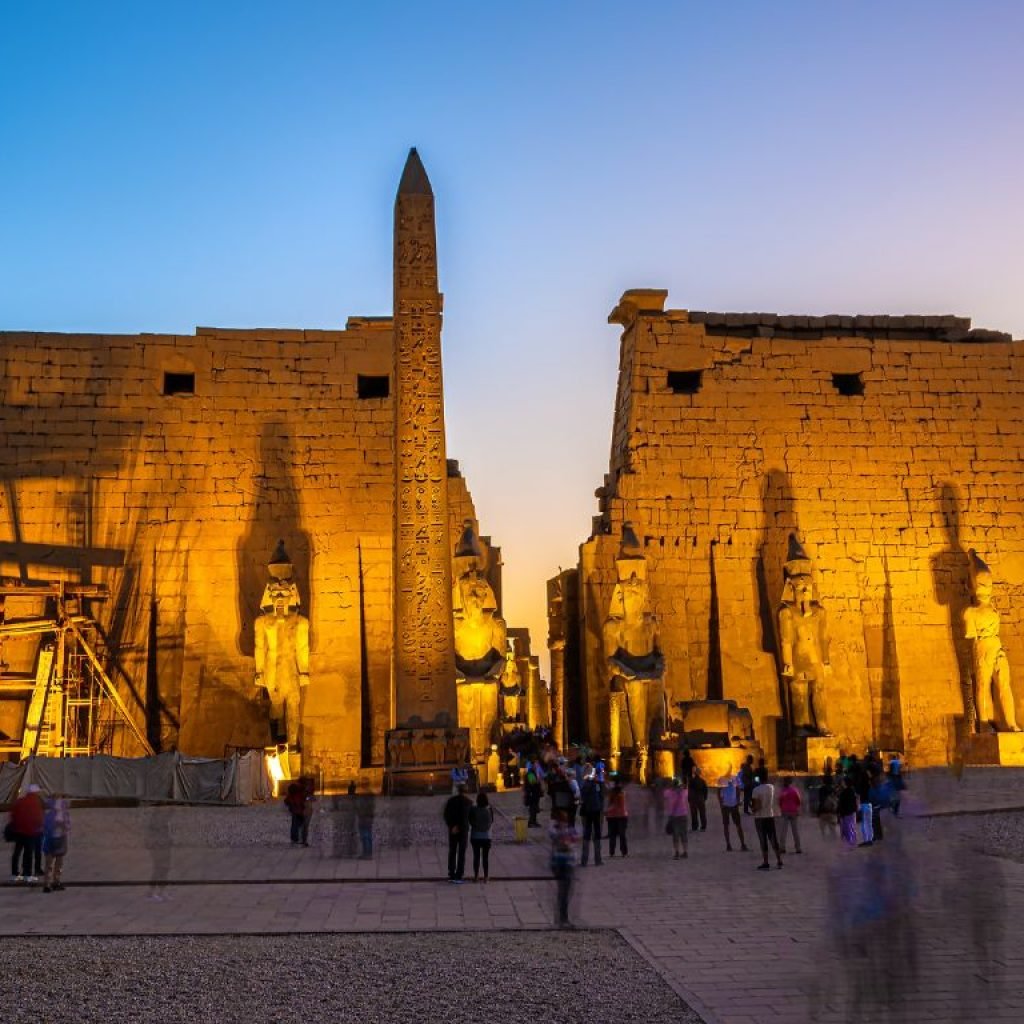
One of the most enchanting times to visit the Luxor Temple is at night. Under the floodlights, the massive statues and columns glow in gold and amber tones, creating a magical contrast against the night sky. This is when history truly feels alive, and you can imagine the ceremonies that once filled the temple with music, torches, and chants.
Visiting both temples in one day offers an unparalleled insight into the scale and sophistication of ancient Egyptian religion and art. They’re not just ruins — they’re living monuments that reveal how deeply faith, politics, and architecture were intertwined.
For travelers looking for the ultimate historical experience, visiting the temples of Karnak and Luxor is without question one of the most memorable things to do in Egypt.
To explore these incredible landmarks, check out our Luxor Tours, which include guided visits, evening light shows, and multi-day cultural packages.
Discover the Tombs in the Valley of the Kings
For travelers fascinated by ancient history, visiting the Valley of the Kings is one of the most awe-inspiring things to do in Egypt. Hidden in the desert cliffs on Luxor’s West Bank, this royal burial ground was the final resting place of the pharaohs of the New Kingdom — including names that still echo through history, such as Tutankhamun, Ramses II, and Seti I.
Unlike the pyramids, which were built as massive monuments above ground, the pharaohs of the New Kingdom chose to hide their tombs deep inside the mountains to protect them from looters. This decision created a vast necropolis filled with tunnels and chambers decorated with incredible wall paintings and hieroglyphs. Stepping into one of these tombs feels like entering a time capsule, where vibrant colors and ancient symbols have survived for more than 3,000 years.
The most famous discovery here is, of course, the Tomb of Tutankhamun, uncovered by Howard Carter in 1922. Although it’s smaller than other tombs, its treasures — now displayed in the Egyptian Museum in Cairo — made it one of the most significant archaeological finds in the world. Visitors today can still see the young king’s mummified remains resting inside the tomb, a haunting yet fascinating reminder of Egypt’s royal past.
Other must-see tombs include those of Ramses VI, known for its celestial ceiling art, and Seti I, one of the most elaborately decorated burial chambers in the valley. Each tomb tells a unique story, with detailed paintings depicting the pharaoh’s journey to the afterlife and his encounters with gods and spirits along the way.
To fully appreciate the Valley of the Kings, it’s best to visit with an Egyptologist guide. They can explain the symbolism behind the artwork, the purpose of each chamber, and the religious beliefs that shaped Egypt’s concept of the afterlife.
As you walk through the quiet corridors beneath the cliffs, surrounded by vivid artwork and the weight of history, it’s impossible not to feel a sense of wonder. For history lovers, the Valley of the Kings isn’t just another stop — it’s one of the most extraordinary things to do in Egypt, offering a direct connection to the lives and legacies of its greatest rulers.
Luxor City Day Trips
Sail to Philae and Abu Simbel
If you’re looking for the most breathtaking things to do in Egypt, sailing to the Temples of Philae and Abu Simbel should be at the top of your list. These two southern masterpieces capture the artistry, devotion, and engineering brilliance of ancient Egypt — and both can be visited easily from Aswan, one of the most scenic cities along the Nile.
The journey begins with the Philae Temple, a sanctuary dedicated to the goddess Isis. It sits gracefully on Agilkia Island, surrounded by calm waters and palm trees. To reach it, visitors take a short boat ride across the Nile — a beautiful experience in itself, especially at sunrise or sunset. As you approach the temple, its elegant columns and carvings seem to rise out of the river, creating a view that feels almost dreamlike. Inside, detailed reliefs tell stories of gods, love, and rebirth, all preserved with remarkable clarity.
Philae also has a modern story of survival. In the 1960s, when the Aswan High Dam was built, the original island was flooded, threatening to submerge the temple forever. Thanks to a massive UNESCO rescue project, the entire complex was relocated block by block to its current site, saving one of the most beautiful temples in Egypt.
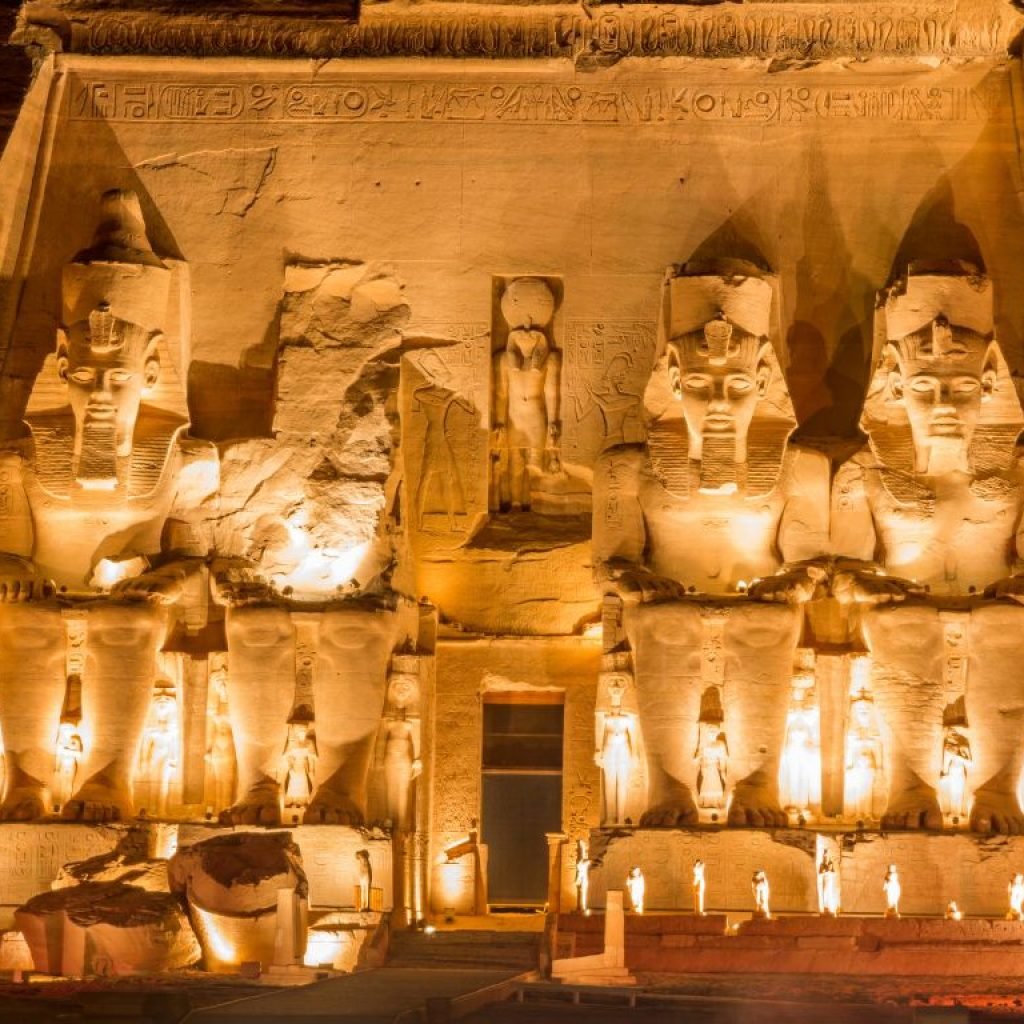
A few hours farther south lies Abu Simbel, the monumental temple built by Ramses II. Carved directly into a mountain, its four colossal statues of the pharaoh tower 20 meters high, gazing across the desert toward the rising sun. Twice a year — on February 22 and October 22 — the sunlight aligns perfectly to illuminate the inner sanctuary, lighting up the statues of Ramses and the gods Amun-Ra and Ra-Horakhty. It’s one of the most incredible displays of ancient astronomical precision in the world.
The smaller temple beside it is dedicated to Queen Nefertari, Ramses’s beloved wife, and the goddess Hathor. It’s one of the few temples in Egypt where a royal woman is depicted as equal in size and stature to the pharaoh himself — a rare honor that makes this site even more special.
Visiting both temples gives you a sense of Egypt’s artistic genius and spiritual depth. The combination of a peaceful boat trip to Philae and the awe of Abu Simbel’s colossal façade makes this one of the most unforgettable things to do in Egypt.
To plan your temple journey, check out our Aswan Tours or Nile Cruise Packages, which include guided visits to both Philae and Abu Simbel with expert local guides.
Go Snorkeling or Diving in the Red Sea (Hurghada or Sharm El Sheikh)
Not all the amazing things to do in Egypt are found among temples and tombs. The Red Sea, stretching along Egypt’s eastern coast, offers an entirely different kind of wonder — one that lies beneath the surface. With crystal-clear water, colorful coral reefs, and marine life found nowhere else on Earth, Hurghada and Sharm El Sheikh are world-famous destinations for snorkeling and diving.
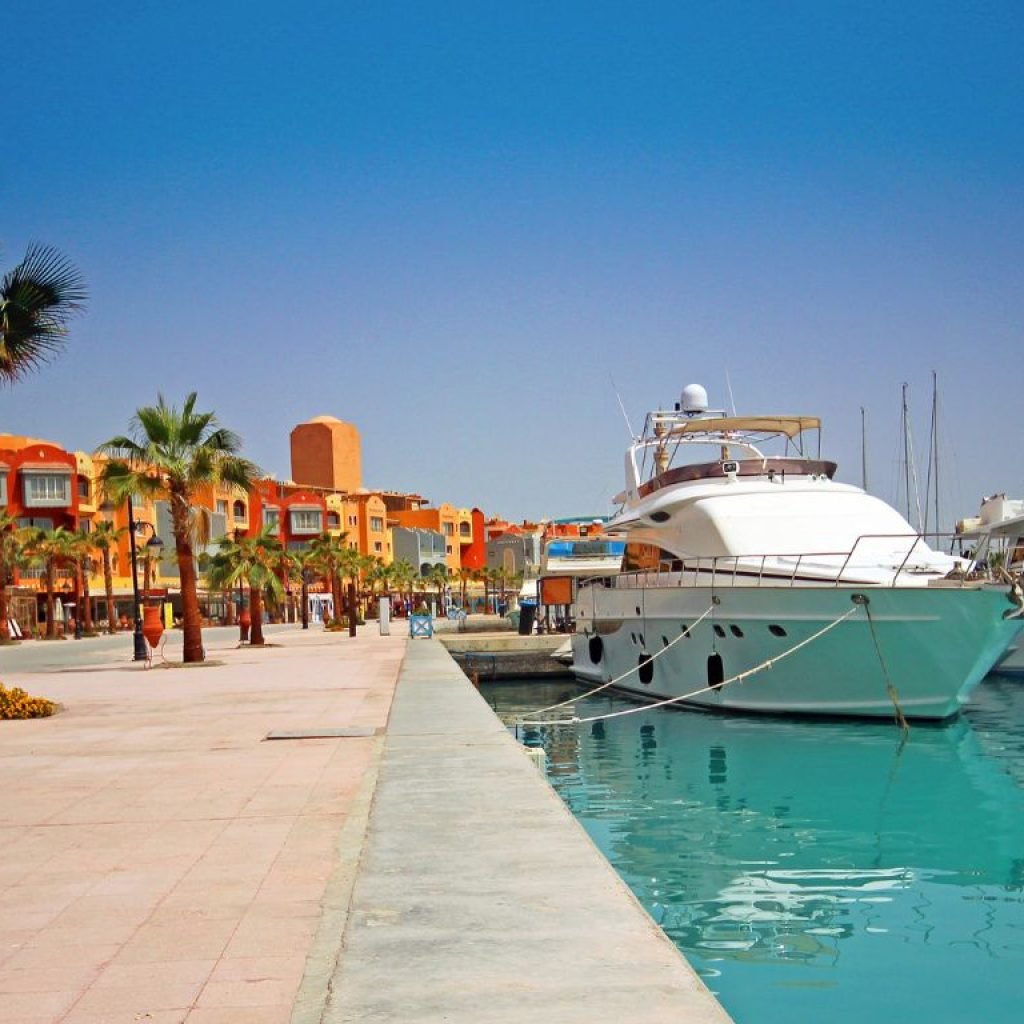
Hurghada, once a small fishing village, is now one of Egypt’s most popular resort towns. Here, travelers can take boat trips to Giftun Island or Orange Bay, where turquoise waters and soft white sand make for a perfect day in paradise. Most excursions include stops at coral reefs, where snorkelers can swim among clownfish, angelfish, and vibrant coral gardens. The calm, shallow waters make it ideal even for beginners or families.
For those looking to dive deeper, Hurghada’s Red Sea dive sites are some of the best in the world. From beginner-friendly reefs to advanced wreck dives like the Thistlegorm, a World War II ship now teeming with marine life, there’s something for everyone. Certified divers can explore walls, caves, and lagoons, often accompanied by dolphins or graceful rays.
Farther south on the Sinai Peninsula, Sharm El Sheikh offers equally spectacular underwater experiences. The Ras Mohammed National Park is a UNESCO-protected area and one of the world’s top diving destinations. Here, coral cliffs drop into deep blue waters filled with fish and, occasionally, reef sharks. Sharm also offers parasailing, glass-bottom boat tours, and other water sports for visitors who prefer to stay above the waves.
One of the best parts about visiting the Red Sea is how easy it is to combine with Egypt’s cultural highlights. Many travelers spend a few days in Cairo or Luxor exploring ancient history before heading to Hurghada or Sharm El Sheikh to relax by the sea. It’s the perfect balance between exploration and leisure.
Whether you’re gliding over coral reefs or descending into deep blue waters, snorkeling or diving in the Red Sea is one of the most exciting things to do in Egypt — a reminder that this country’s beauty extends far beyond its ancient ruins.
Wander Through Islamic and Coptic Cairo
Cairo isn’t just Egypt’s capital — it’s a living museum of history, religion, and culture. For travelers who want to see beyond the pyramids and discover Egypt’s spiritual heart, exploring Islamic and Coptic Cairo is one of the most fascinating things to do in Egypt. These neighborhoods reveal centuries of art, architecture, and faith woven into the city’s vibrant daily life.
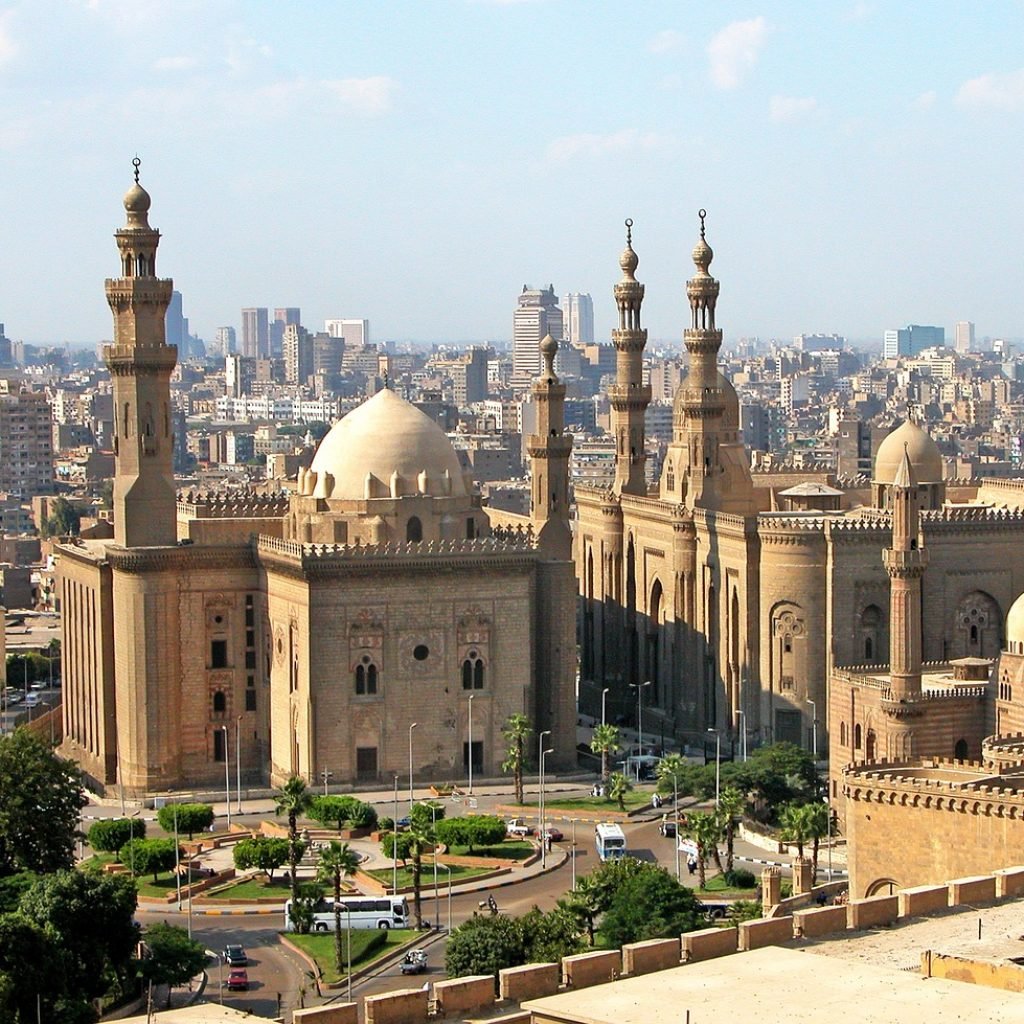
Islamic Cairo is a maze of narrow streets, historic mosques, and medieval architecture that feels like stepping back in time. The area’s crown jewel is the Citadel of Saladin, a massive fortress built in the 12th century. Inside stands the stunning Mosque of Muhammad Ali, also known as the Alabaster Mosque, with its gleaming domes and panoramic views across the entire city. From here, you can see how modern Cairo stretches endlessly toward the horizon — a striking contrast to the ancient monuments nearby.
Walking through Al-Muizz Street, one of Cairo’s oldest and most atmospheric thoroughfares, you’ll pass centuries-old mosques, madrassas, and caravanserais. Don’t miss the Sultan Hassan Mosque and the Al-Rifa’i Mosque, both masterpieces of Mamluk architecture, and the bustling Khan El Khalili Bazaar, where merchants have sold spices, gold, and handicrafts for over 600 years. Shopping here isn’t just about souvenirs — it’s about feeling the pulse of Cairo’s living history.
Just south of the citadel lies Coptic Cairo, the oldest Christian district in the city. Here, visitors can explore the Hanging Church, built on top of a Roman gatehouse, and the Coptic Museum, which houses ancient manuscripts, carvings, and relics that trace Egypt’s Christian heritage. The Church of St. Sergius and Bacchus, believed to stand where the Holy Family rested during their flight into Egypt, adds a sacred layer to the experience.
Visiting both Islamic and Coptic Cairo provides a deeper understanding of the country’s cultural diversity and religious coexistence. These areas are quieter, more personal, and filled with stories that bring Egyptian history closer to the present.
For travelers interested in culture and architecture, exploring Islamic and Coptic Cairo is one of the most enriching things to do in Egypt — a journey through faith, artistry, and everyday life in one of the world’s most fascinating cities.
Relax at the Siwa Oasis
Far from the bustling streets of Cairo and the crowded resorts of the Red Sea, the Siwa Oasis offers a completely different side of Egypt — peaceful, remote, and steeped in timeless beauty. Visiting Siwa is one of the most rewarding and unique things to do in Egypt, especially for travelers seeking tranquility, culture, and adventure all in one place.
Located near the Libyan border, about 750 kilometers west of Cairo, Siwa feels like a hidden world. Surrounded by golden dunes and dotted with palm groves, freshwater springs, and salt lakes, this desert oasis has maintained its distinct identity for centuries. The people of Siwa speak their own language (Siwi) and have preserved customs, architecture, and traditions that make their community unlike anywhere else in Egypt.
One of Siwa’s main attractions is the Oracle Temple of Amun, where Alexander the Great is believed to have been declared the son of a god. The ruins sit atop a rocky hill overlooking the oasis, offering panoramic views that are especially breathtaking at sunset. Nearby, the Shali Fortress, built from salt and mud brick, stands as a symbol of Siwa’s history. Even in ruins, it captures the charm of a community that has thrived in isolation for centuries.
Nature lovers will find endless ways to unwind in Siwa. The salt lakes are famous for their mirror-like reflections and buoyant waters, where visitors can float effortlessly — similar to the Dead Sea. The Great Sand Sea, just beyond the oasis, offers thrilling desert safaris, sandboarding, and camping under the stars. At night, the sky lights up with countless constellations, making Siwa one of the best stargazing spots in Egypt.
What makes Siwa truly unforgettable is its authenticity. You can soak in a natural hot spring, enjoy a meal cooked by a local family, or simply sit in silence, surrounded by palm trees and the sound of desert winds. It’s a place that invites you to slow down and reconnect with nature.
For travelers who want to experience a more peaceful and cultural side of Egypt, a trip to Siwa Oasis is one of the most magical things to do in Egypt.
Experience Local Life in Egyptian Bazaars
If you want to feel the real heartbeat of Egypt, skip the museums for a few hours and head straight into the country’s colorful bazaars. Wandering through these markets is one of the most authentic things to do in Egypt, offering a glimpse into everyday life that has barely changed in centuries. From Cairo’s historic souks to Luxor’s riverside markets, the energy, scents, and sounds of these places capture the soul of Egyptian culture.
The most famous of them all is Khan El Khalili in Islamic Cairo. This centuries-old bazaar dates back to the 14th century and remains one of the liveliest markets in the Middle East. Here, narrow lanes twist through rows of shops selling everything from hand-beaten copper lamps and silver jewelry to colorful scarves, perfumes, spices, and souvenirs. Bargaining is part of the fun, and even if you don’t buy anything, the atmosphere alone makes the visit worthwhile. Be sure to stop for a mint tea or Turkish coffee at El Fishawy Café, Cairo’s oldest coffeehouse, where poets, artists, and travelers have gathered for generations.
In Luxor, the Souq Al-Sagha and the Tourist Bazaar near the Nile Corniche are perfect for picking up locally made goods such as alabaster statues, papyrus artwork, and handmade clothing. The merchants here are friendly and often eager to share stories about their crafts. Shopping in Luxor is more relaxed than in Cairo and offers plenty of opportunities to find one-of-a-kind items.
Down in Aswan, the Nubian Market adds a completely different flavor to the experience. Here, stalls are filled with colorful spices, Nubian baskets, henna, and handmade pottery. The market reflects the unique culture of southern Egypt and provides an excellent chance to interact with locals in a warm, welcoming environment.
Visiting Egyptian bazaars is not just about shopping — it’s about connection. You’ll hear music playing, smell freshly ground coffee and incense, and witness the friendly chaos of daily trade. These moments bring Egypt’s culture to life far more vividly than any postcard or souvenir ever could.
If you want to experience local life up close, exploring Egypt’s traditional markets is one of the most enjoyable and unforgettable things to do in Egypt.
Why Egypt Offers More Than You Imagine
After exploring all these incredible experiences, it’s easy to see why Egypt continues to capture the hearts of travelers from around the world. From ancient monuments to natural wonders, from bustling cities to quiet oases, this country offers an endless variety of adventures — making it nearly impossible to run out of amazing things to do in Egypt.
For history lovers, Egypt is an open-air museum where every stone tells a story. Walking among the Pyramids of Giza, sailing the Nile River, or standing before the temples of Karnak and Abu Simbel is like stepping into the pages of history. The artistry, precision, and sheer scale of these ancient structures leave every visitor in awe. But beyond the monuments, it’s the modern Egypt — the warmth of its people, the rhythm of its bazaars, and the timeless beauty of the desert and sea — that creates the memories travelers never forget.
For those who crave adventure, the Red Sea’s coral reefs, desert safaris in Hurghada or the White Desert, and off-the-beaten-path escapes to Siwa Oasis reveal a side of Egypt that goes far beyond history books. And for those seeking relaxation, luxury Nile cruises and seaside resorts offer the perfect balance of comfort and culture.
The magic of Egypt lies in its contrasts: old and new, desert and river, chaos and calm. It’s a place where you can explore temples in the morning, snorkel in the afternoon, and watch the sunset from a rooftop café in the evening. Every experience here feels timeless yet alive.
If you’re ready to start planning your adventure, explore our curated itineraries with Wander Wise Tours. From Egypt Tours to Nile Cruises and Hurghada Excursions, we’ll help you discover the most unforgettable things to do in Egypt — all while traveling with comfort, insight, and local expertise.
Frequently Asked Questions about Things to Do in Egypt
1. What are the most popular things to do in Egypt? Some of the most popular things to do in Egypt include visiting the Pyramids of Giza and the Great Sphinx, cruising along the Nile River, exploring the temples of Luxor and Aswan, snorkeling in the Red Sea, and wandering through the vibrant bazaars of Cairo. Many travelers also enjoy relaxing in Hurghada or Sharm El Sheikh after exploring the historical sites.
2. How many days do I need to see Egypt’s main attractions? For first-time visitors, a 7- to 10-day itinerary is ideal to experience the highlights of Egypt. This gives you enough time to explore Cairo, visit Luxor and Aswan (either by land or Nile cruise), and enjoy a few days by the Red Sea. If you have more time, adding a trip to Alexandria or Siwa Oasis makes for an even richer experience.
3. Is Egypt safe for tourists? Yes, Egypt is generally safe for tourists, especially in major destinations like Cairo, Luxor, Aswan, and Hurghada. Most visits are trouble-free, and the government prioritizes tourism safety. As with any country, it’s best to travel with a reputable operator, follow local advice, and respect cultural customs. Traveling with a guide also ensures a smoother and more informative experience.
4. What is the best time of year to visit Egypt? The best time to enjoy things to do in Egypt is between October and April, when the weather is warm but not overly hot. These months are perfect for sightseeing, Nile cruises, and desert excursions. Summer (May to September) can be very hot, but it’s still a great time for Red Sea destinations like Hurghada and Sharm El Sheikh.
5. Do I need a guide to visit Egypt’s main attractions? While you can explore some areas on your own, having a licensed Egyptologist guide adds tremendous value to your trip. Guides help you understand the history behind temples and monuments, avoid tourist traps, and make the most of your time. Most things to do in Egypt — like visiting temples or taking a Nile cruise — are far more rewarding with professional guidance.
6. What should I pack for a trip to Egypt? Lightweight, breathable clothing, comfortable shoes, sunscreen, a hat, and reusable water bottles are must-haves. Modest dress is appreciated, especially when visiting mosques or local neighborhoods. A light jacket or scarf is useful for cooler evenings or air-conditioned transport.
 English
 Deutsch

Comment (0)