Grand Egyptian Museum tickets & official booking (avoid resellers)
Where to book (and when it actually opens to visitors)
Buy your tickets only through the museum’s official ticket page. That’s the one place with real-time availability and time slots. The inauguration is 1 November, but public visiting begins 4 November—the museum states this clearly across its homepage and countdown notices (see the public opening note). If you land on any other site selling “skip-the-line” or “priority” passes, treat it as a third-party marketplace—not official. (Here’s an example of a third-party ticketing site so you know what to avoid.)
Ticket types you’ll see
Opening hours & last entry
Check the official homepage on the day you book—hours and last-entry times are posted there and may vary during opening week and special evenings. As a rule, galleries have an earlier last entry than the wider complex; plan to arrive at least 30–45 minutes before your time slot to clear security and get your bearings.
Best time to go
-
For fewer crowds, book morning slots on weekdays via the official ticket page.
-
If you like night photography and a calmer vibe, look for the museum’s extended evenings noted on the homepage (currently Wednesdays and Saturdays on the notices).
How to avoid booking mistakes
-
Always confirm you’re on the visit-gem.com domain before paying—use the official homepage or tickets page, not search-ad links.
-
If you want a guided visit, follow links from museum pages such as A Journey Through Time to ensure you’re booking an official tour.
-
Don’t rely on resellers offering “front-of-line” claims—refer back to the official ticket page for what’s actually included.
-
Visiting with kids? Read the fine print on the Children’s Museum page (ages, languages, and whether adults need separate complex entry).
Useful small print
-
Parking is available on site for a fee (noted on the Children’s Museum page and other programme pages).
-
Special events (including the inauguration period) may change time slots—double-check the homepage on the morning of your visit.
-
If a slot is sold out online, don’t assume you can buy it on arrival; check another date/time on the official ticket page.
Getting there: metro, Uber, private transfer, or Sphinx Airport arrivals
By car or private driver
Fastest and most straightforward. From central Cairo, head for the Cairo–Alex Desert Road toward El Remayah Square and enter Gate 2 of the complex as outlined on the museum’s Plan Your Visit page. On-site parking is available for a fee. If you prefer not to drive, book a private transfer or a guided day that pairs GEM with the Giza Plateau—compare options on our Tours & Transfers page.
Ride-hailing (Uber/Careem) and taxis
Both apps operate across Cairo–Giza and drop off at the museum gates. For the simplest hand-off, pin “Grand Egyptian Museum” and confirm Gate 2 with your driver. For first-timers, this is usually quicker and less walking than public transport; even guidebooks note that, for now, the easiest approach is by Uber, taxi, or hired driver (see this primer).
Metro + short hop
There isn’t a metro stop at the museum itself. The nearest major hub is Giza (Line 2)—you can check the station details on the Cairo Metro’s official site. From Giza station, take a taxi or ride-hail to the museum (allow 20–35 minutes depending on traffic). If you’re travelling at rush hour or with kids, the door-to-door car option is usually calmer.
From Sphinx International Airport (SPX)
If you’re flying into Giza’s newer airport, it’s a short hop to GEM. The airport’s official page confirms it’s very close to the Pyramids area—plan on a taxi or pre-booked transfer straight to the museum entrance; check airportsphinx.com for airport info. For a quick orientation (distances, transfer times), this Sphinx-to-Pyramids guide is handy.
From Cairo International Airport (CAI)
Expect 45–75 minutes by car depending on traffic. If you’re landing mid-afternoon or late evening, pre-book a transfer so you’re not bargaining after a long flight. You can also ride-hail from the arrivals curb once you have data.
Opening-week traffic & road notices
During the inauguration period, authorities flagged adjustments on major arteries around greater Cairo and Giza. For official updates on closures and diversions, monitor Ahram Online’s notice and the museum’s homepage on the morning of your visit.
Time your arrival
-
Aim to arrive 30–45 minutes before your slot to clear security and orient yourself.
-
If you’ve booked a late slot on extended evenings (shown on the official homepage), factor in heavier evening traffic around Remayah Square.
-
If you’re pairing GEM with the plateau, do GEM in the morning, then head to the pyramids for golden hour. Check our Giza ideas and tips for route timings.
Security, what to bring, and on-the-day checks
What security looks like (and why it matters)
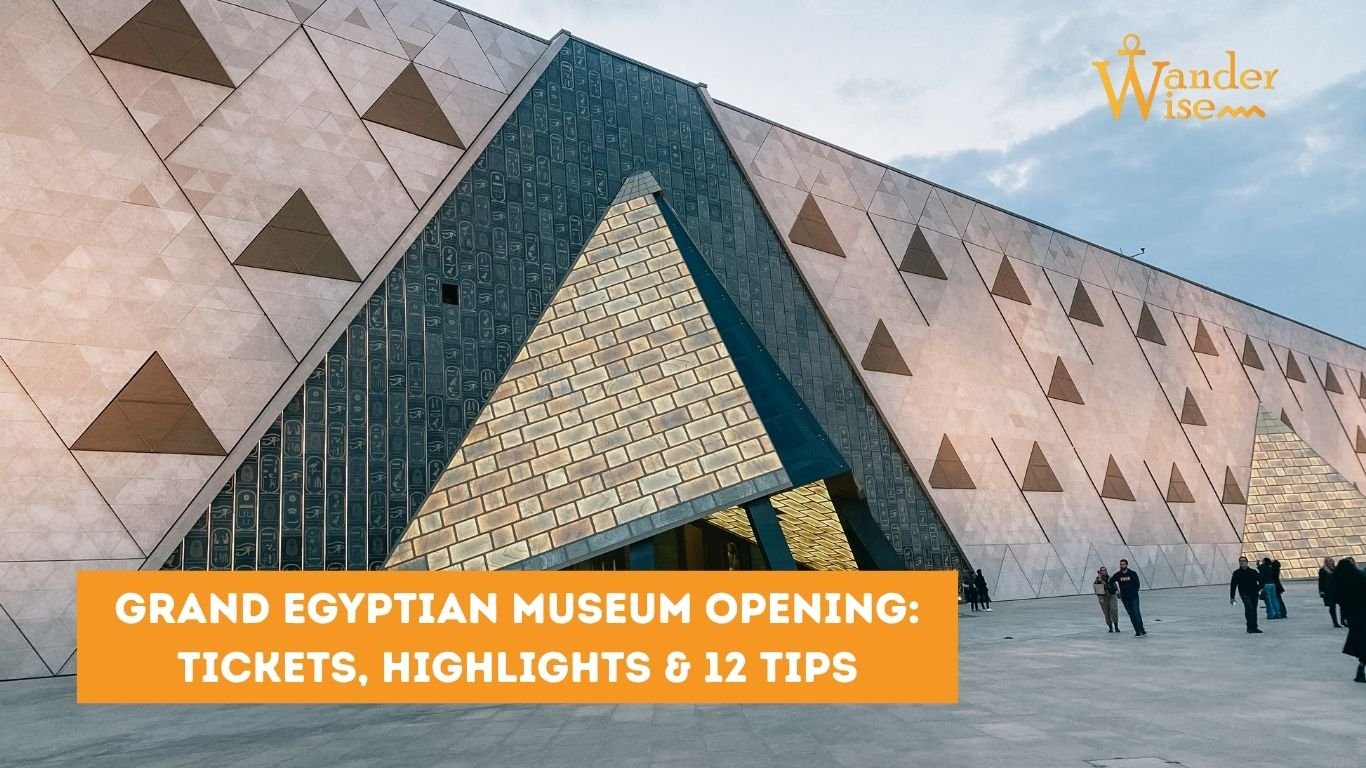
Expect airport-style screening at the entrances: bag scanners, metal detectors, and a visible police presence around the complex. Authorities have outlined an unprecedented security plan for the Grand Egyptian Museum opening, so allow a little extra time, especially on weekends and during special events.
Tickets, ID, and entry basics
-
Have your timed ticket ready on your phone (or printed) from the official ticket page. Screenshots are fine if your signal drops at the gate.
-
Carry a photo ID that matches the booking name; staff may ask to see it on busy days.
-
Check the official homepage on the morning of your visit for any last-minute notices about entry points or changed time slots.
Bags and prohibited items
-
Aim for a small daypack only. Larger suitcases and bulky camera gear slow you down at security and may be refused.
-
Sharp objects, tools, and anything that could damage exhibits won’t make it past screening; when in doubt, leave it at your hotel.
-
Tripods and lighting rigs are often restricted inside galleries; confirm any filming plans via the museum’s programme pages like A Journey Through Time, and follow directions from security.
What to bring (and why)
-
Water bottle (sealed) and sun protection: you’ll spend some time outdoors moving between the gate, the Grand Hall, and other facilities.
-
Comfortable shoes: the building is vast; even a “short” visit is a few thousand steps.
-
Light layer: galleries can feel cool after the walk in the sun.
-
Portable battery: there are photo stops everywhere (Grand Hall, Grand Staircase, Tutankhamun).
-
Bank card & small cash: cafés and shops are on site; card acceptance is standard, but a bit of cash helps for taxis and tips.
On-the-day rhythm: how to glide through checks
-
Arrive 30–45 minutes before your time slot.
-
Join the correct lane for your ticket type (general admission, guided, or the Children’s Museum).
-
Empty metal items into your bag before the scanner to speed things up.
-
After security, use the Grand Hall as your meeting point if anyone in your group gets separated.
-
If you’re pairing the museum with the pyramids later, confirm your pick-up spot with your driver before you go in (Gate 2 is the usual drop-off).
If something changes
Opening week can bring temporary diversions or adjusted gate flows. For real-time guidance, check the official homepage before you set off, and keep an eye on local reporting via Ahram Online’s GEM coverage for ceremony-related updates.
What to see: a smart route for first-timers (2–3 hours, 4–5 hours, full day)
Before you start
Check the official homepage on the morning of your visit for any gallery notices. If you want a guide, book via the official ticket page so you’re on an approved tour rather than a reseller add-on.
The 2–3 hour “first look”
-
Grand Hall (15–20 mins). Soak up the scale, meet Ramesses II, and set a meeting point for your group. The hall layout and wayfinding are previewed on the museum’s official site.
-
Grand Staircase (20–30 mins). Climb slowly; the monumental pieces are the perfect scene-setter. Conservation prep for many of these giants is featured in Ahram’s opening coverage.
-
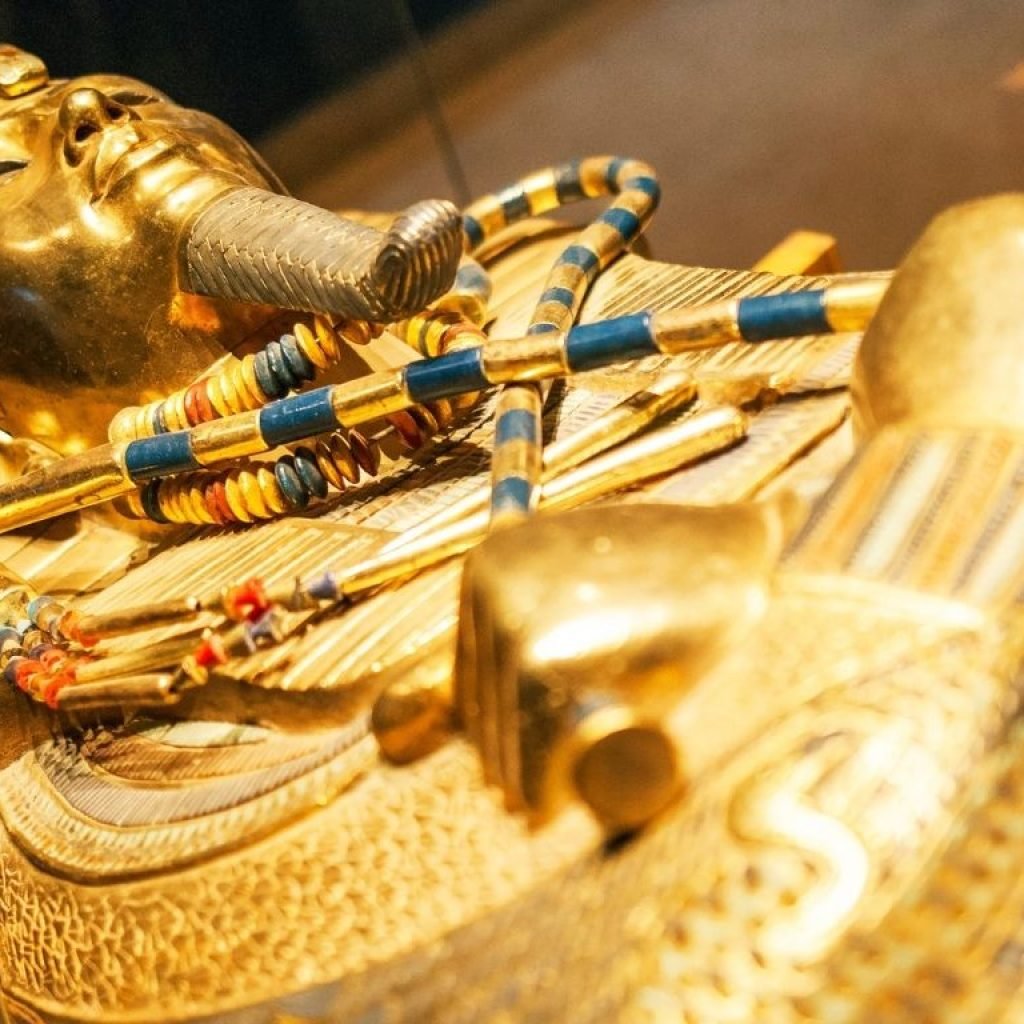
Tutankhamun Galleries (60–75 mins). The full story in one place—mask, chariots, jewellery, daily-life objects—presented with modern storytelling; opening-week explainers such as AP’s launch piece give a sense of scope.
-
One extra stop (20–30 mins). If you have time, add the Khufu Boats Museum (background via Egypt SIS) or a quick look at family zones signposted from the Children’s Museum page.
Photo tips: best wide shots are from landings on the Grand Staircase and the balcony edges of the Grand Hall.
The 4–5 hour “deep dive”
-
Grand Hall → Grand Staircase (40–50 mins total).
-
Tutankhamun Galleries (75–90 mins).
-
Break (20–30 mins). Cafés are within the complex; check current locations and hours on the official homepage.
-
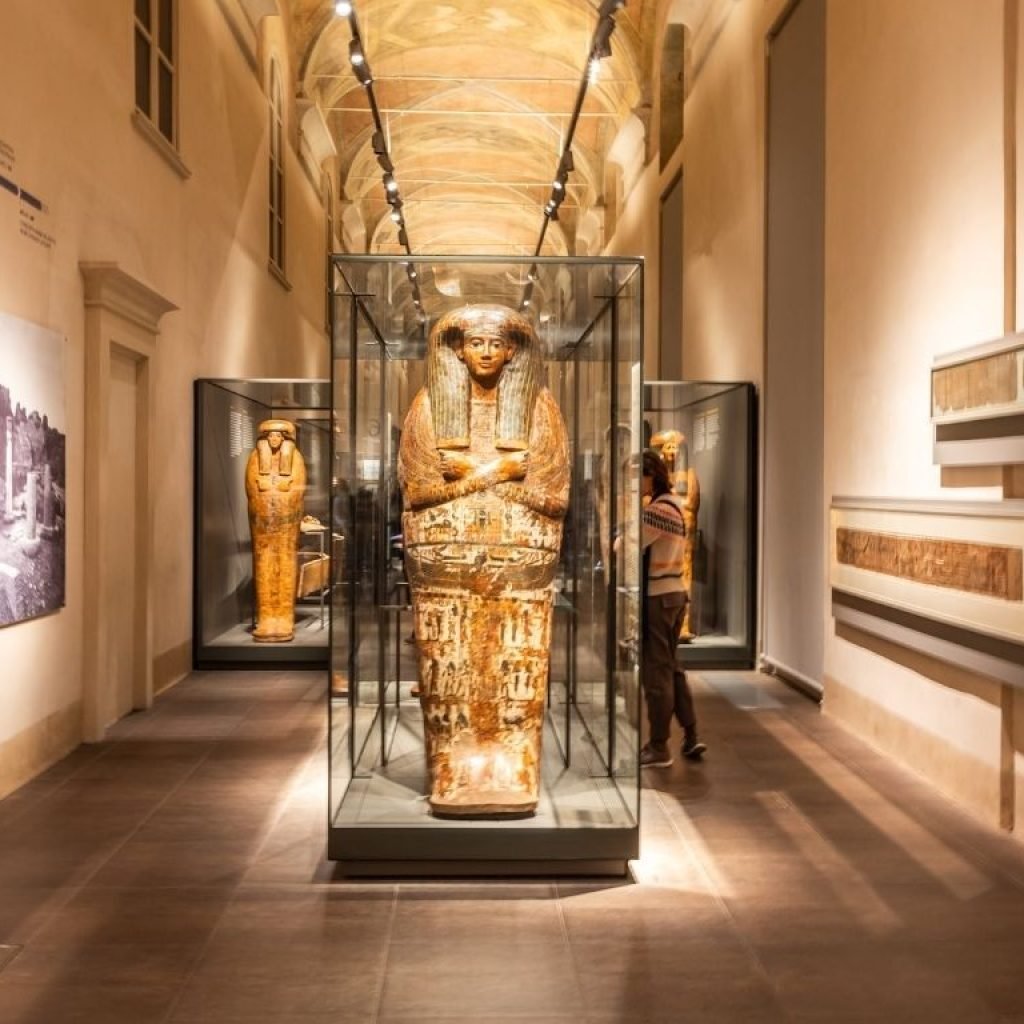
Sculpture & royal statues (40–60 mins). Use the map boards to follow a chronological flow.
-
Boats & engineering (30–40 mins). The Khufu Boats Museum links your museum day to the plateau story (Egypt SIS background).
-
Optional: immersive gallery (20–30 mins). Ahram spotlights an interactive journey narrated by Ahmed Helmi—great for families.
Family tweak: swap one sculpture section for the Children’s Museum (check language and age guidance before you queue).
The full-day “everything” plan
-
Morning (3–4 hrs): Grand Hall, Grand Staircase, Tutankhamun, short café break, then a targeted wing (sculpture or daily life).
-
Midday (1–1.5 hrs): Boats Museum plus an extended lunch.
-
Afternoon (2–3 hrs): Return to a favourite gallery for closer viewing; if your ticket includes it, some programmes offer controlled views into conservation zones (routes are linked from pages like A Journey Through Time).
-
Golden hour add-on: finish at the Giza Plateau for sunset shots of the Great Pyramid and Sphinx; use our Giza ideas and tips to line up a driver and the best angles.
Practical viewing tips
-
Start early to enjoy quieter stairs and clearer Tutankhamun displays—book morning slots on the official ticket page.
-
Read the room labels—they’re concise, and the storyline helps kids stay engaged; Ahram’s features highlight the craft that went into restoration.
-
Accessibility: lifts and wide routes are signposted; ask staff at the Grand Hall info desk for step-free paths and loaner wheelchairs. Check day-of notices on the official homepage.
-
Shopping: the main shop sits near exit flows—pop in before you leave so you’re not doubling back.
Accessibility & family tips
Step-free and wheels
The complex is modern, spacious, and built with wide routes. If you need step-free paths or a wheelchair, ask at the Grand Hall information desk when you arrive. Lifts serve the gallery levels, and staff will point you to the easiest routes. For day-of notes (including any temporary diversions), check the official homepage before you set off.
Prams and little legs
Prams are fine in public areas and most galleries; do keep them close on busy stairs and landings. If you’re coming with toddlers, plan shorter bursts with breaks near the cafés—opening hours and any special evening access are posted on the official homepage.
Children’s Museum
This is purpose-built for school-age explorers (typically ages 6–12) with guided sessions and hands-on storytelling. Timings, languages, and booking are listed on the Children’s Museum page. If you’re visiting with one guide for the whole family, you can also weave Children’s Museum time into a longer route—just keep your main gallery slot in mind.
Quiet breaks and sensory pacing
If anyone in your group is sensitive to noise or crowds, start with a morning slot and aim to reach the Grand Staircase just after opening, then switch to smaller rooms when it gets busy. Carry ear defenders for kids who benefit from them, and plan a recharge stop after the Tutankhamun Galleries. You’ll find current opening details for cafés on the official homepage.
Facilities to look for
Baby-change rooms and accessible toilets are signposted; ask the nearest staff member if you miss a sign. Water, snacks, and meals are available on site—bring a small bottle and refill where permitted, and budget for a proper sit-down before you tackle your second half.
What to pack for families
-
Light layers (galleries are cool compared to the walk from the gate).
-
Snacks for kids (keep sealed; follow venue rules).
-
A small activity pad or audio guide for downtime.
-
Portable battery—photos and AR interactives drain phones quickly.
-
If pairing with the plateau later, sun hats and a spare bottle for everyone.
Booking tips that help parents and carers
-
Choose morning tickets via the official ticket page to dodge peak crowds and naps.
-
If you want a guide who’s great with families, only follow links from A Journey Through Time or the main site to ensure you’re on an official programme.
-
Keep your group together by picking a meeting point in the Grand Hall before you enter the galleries.
-
For pram users or wheelchair travellers, ask staff for the step-free route map when you scan in.
Linking GEM with a kid-friendly Giza stop
Do the museum first while everyone’s fresh, break for food, then head to the plateau for short, high-impact views at golden hour. If you’d like door-to-door help, compare options on our Tours & Transfers page or browse practical angles in Giza ideas and tips.
Pair it with the Pyramids: easy GEM + Giza half-day combo
Why this works
The museum sits beside the plateau, so you can do a calm morning at the Grand Egyptian Museum and roll straight into golden-hour views of the Great Pyramid and Sphinx. Book your timed entry on the official ticket page, then line up a driver or guide who knows the quick exits via Remayah Square—compare options on our Tours & Transfers page and browse angles in Giza ideas and tips.
Sample schedule (morning GEM → sunset pyramids)
-
08:30 Arrive at Gate 2 (allow 30–45 mins for security).
-
09:00–11:30 Grand Hall → Grand Staircase → Tutankhamun (grab a coffee before you leave; check café hours on the official homepage).
-
11:45–12:15 Transfer to the Giza Plateau (ask your driver for the Panorama Point stop first).
-
12:15–13:15 Panorama photos + optional camel shot (keep it short and agree the price up front).
-
13:30–14:15 Great Pyramid area (tickets on site; keep water handy).
-
14:30–15:00 Sphinx & Valley Temple (best light creeps in later).
-
15:00–16:30 Late lunch/refresh.
-
16:30–sunset Return to the panorama ridge or a quieter edge for golden-hour shots.
If you start late (afternoon GEM → night pyramids photos from outside)
-
14:00–16:30 Museum highlights only (Grand Hall, Staircase, one Tut room). Book a later slot on the official ticket page.
-
17:00–18:00 Sphinx area from public viewpoints; then blue-hour city views. (Note: after-hours plateau access is restricted—stick to public streets and hotel terraces.)
Should you hire a guide or DIY?
-
Get a guide if you want efficient routing, family pacing, and help with pyramid ticket choices; book museum entry first on the official ticket page, then add a guide via our Tours & Transfers.
-
DIY works if you’re happy with taxis/ride-hail and can follow signs; use our Giza ideas and tips for viewpoints and scam-avoidance basics.
Handy add-ons
-
Khufu Boats Museum inside GEM before you go—ties your day neatly to the Great Pyramid story (see the background via Egypt SIS).
-
Evening openings at GEM pop up on certain days; check the official homepage if you’d rather flip the order and do pyramids first.
Quick tips for a smooth combo
-
Pre-agree pick-up and drop-off at Gate 2 and at the Panorama Point.
-
Carry card and small cash for plateau tickets and tips.
-
Bring a light scarf or layer; gallery air-con vs. afternoon sun is a big contrast.
-
Save your phone battery for sunset—there’s a lot to photograph in both spots.
Costs & time budgeting (tickets, transfer, guide, food, souvenirs)
Tickets
Ticket prices are shown live on the museum’s official ticket page at checkout; hours and last entry are posted on the official homepage (opening week shows the complex 8:30–22:00 and galleries 9:00–21:00, with last ticket 20:00 starting 4 November). For ballpark figures reported during previews, Ahram Online previously listed categories from EGP 200 (Egyptians) and around EGP 1,200 (foreign visitors), with student/child concessions—use this only as guidance and always confirm on the official site when you book.
Transfers
-
Ride-hail/taxi (Cairo ↔ GEM): budget EGP 200–450 one-way depending on time of day and pickup point.
-
Private driver or guided day: allows door-to-door timing and a pyramid add-on; compare options on our Tours & Transfers page.
Guide
If you want structured storytelling in the galleries, book through museum-linked pages like A Journey Through Time or the official guided tickets. Expect a guide fee on top of entry (per group or per person, language-dependent). For a combined GEM + Giza day, you can also hire a guide via our Tours & Transfers so logistics and timings are handled.
Food & drinks
Cafés and food spots operate inside the complex; on the day, check hours on the official homepage. Plan EGP 250–500 per person for a drink and light meal, or more if you sit down for a bigger lunch. Bring a sealed water bottle for queues and outside paths.
Souvenirs
The main shop is positioned near exit flows. Quality books and licensed replicas cost more than street-stall nick-nacks—budget EGP 400–1,500+ if you want a substantial keepsake. If you’re heading to the plateau afterwards, keep small cash for incidentals and tips.
Sample half-day budget (per person, realistic mid-range)
-
Ticket: confirm on the official ticket page
-
Ride-hail to GEM: EGP 250
-
Coffee/snack: EGP 150–250
-
Souvenir: EGP 400–700
-
Ride-hail to pyramids (or back to hotel): EGP 200–350
Total (excluding ticket): roughly EGP 1,000–1,500 depending on choices.
Time budgeting
-
2–3 hours covers Grand Hall, Grand Staircase, and core Tutankhamun rooms; add 30 minutes for security and orientation.
-
4–5 hours adds a café break and the Khufu Boats Museum; check family timings on the Children’s Museum page if you’re visiting with kids.
-
If you’re pairing with the pyramids, add 3–4 hours more for transfers, tickets, and sunset photos—plot it using our Giza ideas and tips.
Money-saving tips (without cutting corners)
-
Choose weekday morning slots on the official ticket page for calmer galleries (better photos, less queueing).
-
Keep rides to and from Gate 2 to avoid extra walking (drivers recognise this gate).
-
If you’re a student or travelling with children, review concession details on the official homepage and programme pages before you pay.
Practical FAQ
Is the Grand Egyptian Museum open on Fridays?
Yes—opening hours can vary by day, so always check the official homepage for the latest schedule before you set off.
When does public visiting start after the inauguration?
The inauguration is 1 November, with public visiting from 4 November—the museum confirms this on its homepage and booking notes on the official ticket page.
Can I change my ticket time after booking?
Tickets are sold in timed slots and are generally non-refundable and non-transferable. If your plans change, review the conditions on the official ticket page and any guidance linked from A Journey Through Time.
Are large bags or suitcases allowed?
Expect airport-style screening and limits on bulky items. To save time, bring a small daypack only and check any updates on the official homepage before you travel.
Can I bring a water bottle or snacks?
Sealed water is fine; food rules vary by area. For café locations and current hours, look on the official homepage on the day of your visit.
Is photography allowed?
Personal photos are generally fine in public spaces, but tripods, lights, or filming rigs may be restricted inside galleries. If you’re planning pro gear, consult programme pages such as A Journey Through Time and follow staff instructions.
Do I need a guide, or can I explore on my own?
You can do either. For official guided options, start from museum pages like A Journey Through Time or check for guided slots on the official ticket page. If you want a combined museum-and-pyramids day handled for you, compare our Tours & Transfers.
What’s the best time to visit to avoid crowds?
Weekday morning slots are usually calmer—book them via the official ticket page and arrive 30–45 minutes early for screening.
How long should I allow for a first visit?
Most first-timers do 2–3 hours for the Grand Hall, Grand Staircase, and Tutankhamun—see our suggested routes above and check live notices on the official homepage.
Is the museum suitable for children and wheelchair users?
Yes. Look at the Children’s Museum page for family sessions, and ask staff at the Grand Hall information desk for step-free routes and assistance.
 English
 Deutsch

Comment (0)