 English
 Deutsch

A private Cairo tour with kids can be brilliant, but only if you plan it like a parent, not like a travel influencer. Kids don’t care how many “must-see” places you squeeze in. They care about heat, snacks, toilets, and whether the day feels fair. The good news is: Cairo can be a really fun family day when you keep it simple and pick the right pace.
This post is all about the easy version of a Pyramids day. The one with short walks and big wins. The one where you come home feeling like you actually enjoyed it, instead of feeling like you survived it. Because the Pyramids are huge, the views are unreal, and the whole place feels like a proper “wow” moment for kids. But if you try to do too much, too fast, in the hottest hours, it can go sideways quickly.
Here’s what usually goes wrong on a family day in Cairo:
-
You start late, so you hit crowds and heat at the same time.
-
You walk too far between stops, so little legs and tired moods take over.
-
You plan a perfect lunch “somewhere nice”, then you spend ages looking for it.
-
You stack too many places in one day, so everything feels rushed.
A private day is different because you can build the day around your family instead of squeezing your family into someone else’s schedule. That means you can do things like:
-
start early while your kids still have energy
-
keep walking distances short
-
take breaks without feeling like you’re “wasting time”
-
skip anything that feels stressful, and still have a great day
Also, every family is different. Some kids love museums and stories. Some kids just want the big photo moment and then a snack and a sit-down. Some parents want a calm day. Some want to see more. A private plan lets you choose the version that fits you.
So here’s the promise: this guide will help you plan a private Cairo tour with kids that feels doable. You’ll get a simple route for the Pyramids day, what to bring, when to go, what to skip, and how to avoid the classic “we’re all tired and nobody’s happy” moment. And yes, it’s totally okay if your kids don’t want to spend ages at every stop. The win is the experience, not the stopwatch.
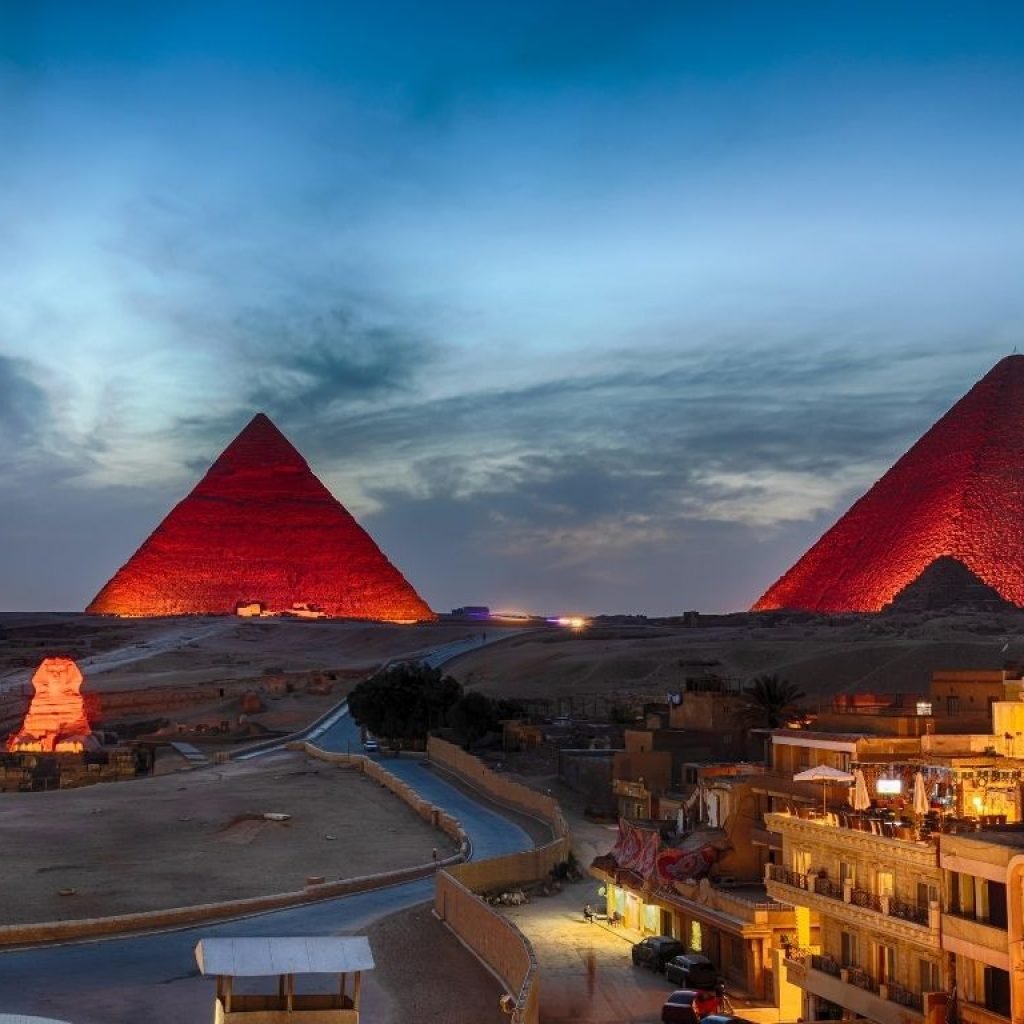
The easy Pyramids day plan (short walks, big wins)
A private Cairo tour with kids works best when the day has a clear shape: one huge “wow” moment, a few quick wins, and enough breaks that nobody tips into meltdown mode.
Here’s the easiest plan that still feels like a proper Pyramids day.
Stop 1: The first big view (your “wow” moment)
Start with a viewpoint where you can see the pyramids properly. This gives kids the instant reward: they see the size, the shapes, the desert, the whole “this is real” feeling.
Why it works with kids:
-
It’s quick.
-
It feels massive.
-
You don’t need loads of walking to get the best reaction.
Keep it simple:
-
10–20 minutes for photos and a quick look.
-
Then move on before it turns into “I’m bored”.
Stop 2: One main pyramid area (short explore, no long hikes)
Now you go closer. The key is not trying to walk across the whole site. Pick one main area and make it fun.
What to do:
-
Let the kids choose a “mission” like spotting the biggest stones or finding their favourite pyramid shape.
-
Keep the walking small: move, stop, look, rest. Repeat.
Time sweet spot:
-
45–75 minutes feels long enough to feel real, but not so long that it drags.
Stop 3: A calm, shaded break (snack + reset)
This is the part parents skip, then regret later. Put a planned break in the middle of the day.
What the break does:
-
fixes mood
-
fixes energy
-
fixes decisions
Even 20–30 minutes sitting down changes the whole day.
Stop 4: One extra “kid-friendly” add-on (only one)
This is where you choose one extra that fits your kids, not the internet.
Pick one:
-
something short and visual
-
something you can leave quickly if the mood changes
-
something that doesn’t add loads of walking
The point is: one extra can feel exciting. Three extras feels like hard work.
Stop 5: Easy finish (so the last hour feels calm)
End the day with something that doesn’t demand loads of attention. Kids do best when the day ends gently, not with one last “big thing” when everyone is tired.
Good finishes are:
-
a relaxed lunch
-
a short, easy stop
-
a simple drive back where kids can chill
The simple rule that makes this plan work
Your kids don’t need ten stops. They need:
-
one big wow
-
one close-up moment
-
one proper break
-
one small extra
-
and an easy finish
That’s the version of Cairo that families actually enjoy.
If you want, you can keep this as a “Pyramids-only” day. Or you can upgrade it into a longer day with one extra major stop (museum-style) if your kids are older and still happy after the pyramids.

Best time to go (heat, crowds, naps)
For a private Cairo tour with kids, timing is basically everything. You can do the exact same places on the exact same day, but if you go at the wrong time it feels hard. If you go at the right time, it feels easy.
The best start time (the family-friendly answer)
Start early. Not “painfully early”, just early enough that you’re seeing the Pyramids before the heat and big crowds stack up.
Why early wins with kids:
-
Kids have more energy in the morning.
-
You’ll do less queueing and less slow walking in crowds.
-
You’ll need fewer “please keep going” conversations.
The simple goal: get your main Pyramids time done before midday.
The hottest hours (when things go downhill)
Midday is when:
-
the sun feels strongest
-
kids get thirsty and grumpy faster
-
walking feels longer than it is
-
parents start making rushed decisions just to escape the heat
If you can avoid doing your “main walking” in the hottest hours, do it. Save midday for:
-
a seated break
-
lunch
-
an easy drive
-
a calm, shaded stop
Crowds: when it feels busiest
Crowds usually feel worst when:
-
people arrive late morning
-
big groups turn up at similar times
-
everyone is trying to get the same photo spots
The family move is simple: arrive earlier and you get more space, better photos, and fewer arguments.
Nap timing (the bit most guides ignore)
If you’ve got a toddler or a napper, plan the day around it. You’re not being “too careful”. You’re being smart.
Two easy nap-friendly ways to do the day:
-
Option A: Pyramids first, nap in the car after
Kids see the wow stuff while fresh, then sleep while you move or head back. -
Option B: Short early visit, long break, then one small stop
This works if your child melts down after about 90 minutes outside.
If you try to fight nap time, you don’t win. You just get a harder afternoon.
The “two-hour rule” that keeps kids happy
Most kids handle the Pyramids best in short bursts. Use this rhythm:
-
60–90 minutes exploring
-
then a proper break
That break can be sitting down, shade, snack, or a drive. The point is to reset before anyone tips into “I’m done”.
Best season vs worst season (simple, no drama)
You can do Cairo any time, but the experience changes:
-
cooler months make outdoor time feel easier
-
hotter months mean timing matters even more (early morning becomes your best friend)
You don’t need to overthink seasons. Just treat heat like a real factor, not an afterthought.

What to bring (simple family kit)
For a private Cairo tour with kids, packing is not about being fancy. It’s about keeping the day smooth. The right small items stop the “I’m hungry / I’m hot / I’m bored” spiral before it starts.
The tiny bag list (this is enough)
Bring a small day bag, not a massive backpack. You want light, quick, and easy.
Must-haves
-
Water (more than you think you’ll need)
-
Sun hat for each child (not optional)
-
Sunscreen (face, neck, ears)
-
Snacks that don’t melt (and that your kids actually like)
-
Wet wipes + tissues (dusty hands, quick clean-ups)
-
Hand sanitiser
-
Power bank + charging cable (maps + photos = dead phone)
-
Small cash for quick buys and tips
-
Light layer (early mornings can feel cool, especially if there’s a breeze)
The “save the day” extras (pick 2–3)
These aren’t required, but they’re brilliant if you’ve got space.
-
Electrolytes (or a salty snack) for hot days
-
Plasters (new shoes = blisters)
-
A small toy / card game for car downtime
-
A change of top for little kids (spills happen)
-
A mini towel or face cloth (sweat + dust combo)
What kids should wear (keep it simple)
-
Comfy shoes they’ve worn before
No new trainers on Pyramids day. That’s how you get crying over blisters. -
Light, breathable clothes
Cotton and loose fits work best. -
A cap/hat
The sun is strong and there’s not loads of shade in open areas.
The snack strategy (how parents win Cairo)
Snacks aren’t just food. Snacks are mood control.
Do this:
-
Pack a mix of quick sugar + slow energy
Example: fruit snack + biscuits + nuts (if safe) or a sandwich. -
Offer snacks before the meltdown signs appear.
-
Plan one proper sit-down break for food, even if it’s short.
One safety habit that helps everywhere
Take a quick photo of:
-
your child at the start of the day (what they’re wearing)
-
your meeting point if you’re in a busy area
You probably won’t need it, but it’s one of those “better to have it” things.

Short-walk tricks (so nobody melts down)
A private Cairo tour with kids is won or lost on walking. Not because the Pyramids are “too hard”, but because kids don’t enjoy long, aimless walking in heat. The trick is to make walking feel short, purposeful, and full of mini wins.
1) Use the “mini-loop” method (instead of one long walk)
Don’t do one giant walk across the whole area. Do small loops:
-
walk 5–10 minutes
-
stop 5 minutes
-
look, point, photo, drink
-
repeat
It sounds basic, but it works because kids feel like they’re constantly finishing something.
2) Give kids a simple mission (it stops the boredom fast)
Kids love a goal. It turns “walking” into a game.
Easy missions that work at the Pyramids:
-
“Find the biggest stone block you can see.”
-
“Which pyramid shape is your favourite and why?”
-
“Spot three different animals in carvings or souvenirs.”
-
“Count 20 steps, then we stop.”
The mission doesn’t need to be clever. It just needs to distract them from the heat and the distance.
3) Make water stops automatic, not a debate
Don’t wait until kids say they’re thirsty. Make it routine:
-
one sip every time you stop
-
one sip before you start walking again
This prevents the sudden “I feel bad” moment that comes out of nowhere.
4) Pick a “shade reset” spot every 30–60 minutes
Even if it’s just a small patch of shade, use it. The reset is what keeps moods stable.
The family rhythm that works:
-
explore → shade → snack → explore
5) Keep the plan flexible (kids don’t follow adult schedules)
If your kid is happy and engaged, great. If they’re clearly done, don’t force it.
A calm family day looks like:
-
“We’ve done the big wow. Let’s finish while it’s still fun.”
That’s a win. Forcing another 45 minutes is when the day turns sour.
6) Use the “two-stop rule” for younger kids
For toddlers and younger kids, anything beyond two big stops can feel like too much.
Simple structure:
-
one big Pyramids moment
-
one break
-
one small extra
That’s enough for a great day.
7) Let kids sit without calling it “rest”
Some kids hate the idea of resting because it sounds like the day is boring.
Try:
-
“Let’s sit for five minutes so we can do the next fun bit.”
-
“Snack time, then we go again.”
Same thing, better result.
8) The fast exit trick (end on a high, not on a fight)
When the mood is good, don’t push for “just one more thing” too many times.
A great private Cairo tour with kids ends like this:
-
kids are tired but happy
-
parents aren’t stressed
-
everyone feels like they had a proper Pyramids day
Food and toilet breaks (how to plan them)
On a private Cairo tour with kids, breaks are not “wasted time”. Breaks are what make the day work. If you plan them, you stay in control. If you don’t, your kids will plan them for you… loudly.
The simple break rule
Plan one proper break and two mini breaks.
-
Proper break: sit down, eat, drink, reset (20–45 minutes)
-
Mini breaks: water + shade + quick snack (5–10 minutes)
That’s it. That’s enough to stop the day turning into drama.
When to take your main break (the best timing)
The easiest timing is:
-
after your main Pyramids time
-
before you add any extra stop
Why this works:
-
kids have “earned” the break
-
parents can relax knowing the big wow is done
-
everyone has energy again for a small add-on or an easy finish
If you leave the main break too late, lunch becomes a rescue mission instead of a calm moment.
What to eat (keep it boring, keep it reliable)
Family day trips are not the time to gamble on food that might upset small stomachs.
Best choices:
-
simple carbs + protein (sandwiches, rice/chicken style meals)
-
fruit or yoghurt if your kids like it
-
something salty (helps on hot days)
Avoid:
-
massive heavy meals that make everyone sleepy and sluggish
-
super spicy foods if your kids aren’t used to them
-
“we’ll eat later” plans (that’s how meltdowns happen)
Snack planning (how to stop the hunger mood swing)
Use snacks like a tool, not like a reward.
The best snack rhythm:
-
a small snack before you start your main walking
-
another snack right after the main wow moment
-
one “emergency snack” you keep hidden until you need it
That last one is not a joke. Every parent knows the secret snack saves the day.
Toilets: the real planning hack
Toilets are what they are. The win is not finding perfect toilets. The win is timing.
Simple rules that work:
-
use a toilet when you see one, not when it becomes urgent
-
don’t assume the next place will be better
-
give kids a toilet chance before long walking stretches
Pack basics that make toilets easier:
-
tissues
-
hand sanitiser
-
wet wipes (especially for little kids)
What to do if your child suddenly “needs the toilet now”
Don’t panic, don’t argue. Do this:
-
stop moving
-
find the nearest toilet option
-
make it calm and quick
-
then reset with water and a snack
Once the stress hits, the day feels harder. Calm reactions keep it under control.
The “parent win” move: end the break before kids get bored
If you sit too long, kids get restless and it’s harder to restart. The sweet spot is:
-
finish the break while they’re still okay
-
then move on with a small, easy next step

What to skip with kids (and why it’s fine)
A private Cairo tour with kids gets easier the moment you stop trying to do the “perfect” adult itinerary. Kids don’t need everything. They need a day that feels fun and fair. Skipping things is not failing. It’s smart planning.
Skip 1: Doing too many “big” stops in one day
The biggest mistake is stacking:
-
Pyramids + museum + bazaar + extra extras
That sounds exciting, but with kids it often turns into rushing, heat, and grumpy moods.
A better family win is:
-
Pyramids as the main event
-
one break
-
one small add-on
Then finish calm.
You’ll remember the happy day more than the extra stop you forced.
Skip 2: Long walks “just to say you did it”
Kids don’t care if you walked the whole site. They care if the day feels like an adventure, not a punishment.
If walking starts to feel like:
-
endless
-
hot
-
boring
…cut it short and switch to a short loop + stop + snack rhythm.
Short walks with great views beat long walks with tears.
Skip 3: The “full deep-dive history lecture”
This is a big one. If you turn every stop into a long explanation, kids tune out fast.
Instead:
-
give one or two fun facts
-
ask one question
-
then move on
Example:
-
“These stones are bigger than a car.”
-
“Which pyramid looks most like a triangle to you?”
Done. Kids stay engaged.
Skip 4: The busiest times and the biggest crowds
With kids, crowds feel twice as stressful. Waiting in lines feels longer. Moving through people feels harder.
If you can avoid peak crowd times by starting earlier, do it. It’s the difference between:
-
calm photos, calm walking
and -
constant “stay close, stop pushing, don’t touch that”.
Skip 5: The “shopping detour”
A lot of family days get derailed by “quick” shopping stops. Kids get bored, parents get pressured, and suddenly you’ve lost 45 minutes.
If you want a souvenir:
-
make it quick
-
make it one stop
-
and do it at the end, not in the middle of the day
Skip 6: Pushing through when the mood is clearly dropping
Parents sometimes try to “get their money’s worth” by forcing one more place, one more photo, one more walk.
The better move is ending on a high:
-
“That was amazing. Let’s finish while it’s still fun.”
That’s how you get a day everyone talks about in a good way.
Skip 7: A late finish if your kids crash early
Some kids are fine all day. Some aren’t. If your child usually crashes in the afternoon, plan your big moments early and keep the end light.
A private day is supposed to fit your family. Use that advantage.
If you’ve got older kids vs toddlers (quick tweaks)
A private Cairo tour with kids isn’t one-size-fits-all. The best day depends on how old your kids are and what they can handle without flipping into “I’m done” mode. Use these quick tweaks and the same Pyramids day plan suddenly fits your family perfectly.
If you’ve got toddlers (ages 1–4)
Toddlers don’t care about “seeing everything”. They care about comfort, shade, snacks, and short bursts of excitement.
What works best
-
Keep it to 2 main moments:
-
one big Pyramids view
-
one close-up stop
Then break and finish.
-
-
Plan more car time between short stops (car time can double as calm-down time).
-
Do the Pyramids early, then let the day soften.
Best toddler rhythm
-
30–45 minutes exploring
-
20 minutes break
-
repeat once
Then finish while the mood is still good.
Parent win
-
Don’t make the toddler walk long distances. Short walks, lots of “look at that” moments, then back to shade.
If you’ve got younger kids (ages 5–8)
This age can be amazing at the Pyramids because they’re curious and they love “missions”.
What works best
-
Use 2–3 simple missions:
-
“Find the biggest stone”
-
“Which pyramid is your favourite?”
-
“Who can spot the best photo angle?”
-
-
Keep stops short and varied: view → close-up → break → small extra.
-
Do one small add-on after the break, not before.
Best rhythm
-
60 minutes exploring
-
30 minutes break
-
45 minutes easy add-on
Then finish.
If you’ve got older kids (ages 9–12)
Older kids can handle more detail, but they still don’t want a day that drags.
What works best
-
Let them take photos and “lead” part of the day.
-
Add one extra stop if the mood is good.
-
Give them a say in the order:
-
“Do you want the big view first or close-up first?”
-
Best rhythm
-
75–90 minutes Pyramids time
-
proper break
-
one extra stop (only if they’re still keen)
Then finish calm.
If you’ve got teens (13+)
Teens can cope with longer days, but they hate feeling like they’re being dragged around.
What works best
-
Give them control over something:
-
music in the car
-
photo spots
-
choosing the food stop
-
-
Keep it real: don’t force “cute family photo” moments for ages.
-
Add a museum-style stop only if they’re genuinely interested.
Teen-friendly move
-
Make it feel like a cool day out, not a lesson. One or two facts, then let them experience it.
Mixed ages (the most common family situation)
If you’ve got one young kid and one older kid, plan for the younger one and give the older one little “wins”.
The mixed-age plan
-
Big wow view (everyone wins)
-
Close-up moment (older kid can explore a bit more)
-
Proper break (everyone resets)
-
One small add-on (only if the youngest is still okay)
Then finish.
The one rule that always works
End the day one step before your kids are completely done.
That’s how you keep the memory positive.
Wrap-up: the calm way to finish the day
A private Cairo tour with kids is best when it ends gently. Not with one last push, one last argument, one last “we’ve come this far so we have to…”. The goal is to finish the day while your kids are still basically happy, so everyone remembers Cairo as fun.
The best kind of finish (simple and kid-proof)
A calm finish usually looks like this:
-
one last short look or photo moment
-
then food or a drink
-
then back to the hotel (or wherever you’re staying)
It sounds almost too simple, but that’s why it works. Kids don’t need a dramatic final stop. They need a smooth landing.
How to know when it’s time to stop
Parents can usually spot the moment when the day starts to slide:
-
kids stop being curious and start complaining about everything
-
walking speed slows down and moods drop
-
little arguments start over tiny things
-
someone suddenly “needs” something every two minutes
That’s your sign. The smart move is not pushing harder. The smart move is finishing while the day still feels good.
The “finish on a high” trick
If the day had one amazing moment (it will), bring it back right at the end:
-
“What was your favourite pyramid?”
-
“Which photo do you want to show friends?”
-
“What was the funniest thing we saw today?”
This resets the mood and turns the day into a story instead of a struggle.
Keep the last hour easy
The last hour is when tired kids get loud and parents get impatient. So don’t make the last hour complicated.
Good last-hour choices:
-
a simple sit-down break
-
a short drive with quiet time
-
a calm return without extra stops
Avoid last-hour mistakes:
-
squeezing in a busy place
-
doing another long walk
-
turning it into a shopping mission
What a great family day in Cairo looks like
If you did it right, you’ll finish with:
-
a proper “wow” Pyramids memory
-
photos you actually like
-
kids who feel proud they did a big day
-
parents who aren’t exhausted and angry
That’s the win. Not how many places you managed to squeeze in.
If you’ve got any family details (kids’ ages, nap schedules, and where you’re starting from), this exact plan can be adjusted so it fits your day perfectly.

Comment (0)